India Forex Reserves Surge to $703.3 Billion Despite West Asia War
Synopsis
India's forex reserves climbed to $703.30 billion in the week ending April 17 — the third consecutive week of gains — as the RBI's currency interventions ease and gold reserves surpass $122 billion. The recovery comes after the West Asia conflict wiped out months of gains from a record $728 billion peak hit in February 2026.
Key Takeaways
India's forex reserves rose by $2.3 billion to $703.30 billion for the week ending April 17, 2026 , per RBI data.
This is the third consecutive week of reserve gains, following increases of $3.825 billion (week ended April 10) and $9.063 billion (week ended April 3).
India's all-time forex reserve high of $728.494 billion was recorded in the week ended February 27, 2026 ; current reserves remain ~$25 billion below that peak.
Gold reserves climbed $79 million to $122.13 billion , continuing a sustained rally above the $100 billion mark .
Special Drawing Rights (SDRs) rose to $18.84 billion , and India's IMF reserve position increased by $14 million to $48.70 billion .
The West Asia conflict triggered capital outflows and RBI dollar-sale interventions that caused weeks of reserve depletion before the current recovery trend began.
Mumbai, April 24: India's foreign exchange reserves climbed by $2.3 billion to reach $703.30 billion for the week ending April 17, 2026, according to data published by the Reserve Bank of India (RBI) on Friday. The uptick signals a continued recovery in the country's external buffer, even as geopolitical tensions stemming from the West Asia conflict continue to weigh on global markets and capital flows.
Steady Recovery After Months of Pressure
The latest rise follows a broader pattern of gradual rebuilding. In the week ended April 10, reserves had already increased by $3.825 billion, and the week ended April 3 saw a sharper jump of $9.063 billion, pushing the kitty to $697.121 billion. Together, these three consecutive weeks of gains represent a meaningful rebound from the lows triggered by external shocks.
India's forex war chest had previously scaled an all-time high of $728.494 billion in the week ended February 27, 2026. The escalation of the Middle East conflict shortly after that milestone triggered sustained capital outflows and put the Indian rupee under significant depreciation pressure, prompting the RBI to intervene aggressively through dollar sales in the currency market.
That intervention, while stabilising the rupee, came at the cost of drawing down reserves over several consecutive weeks — a classic central bank trade-off between currency stability and reserve adequacy.
Gold Reserves Cross $122 Billion Mark
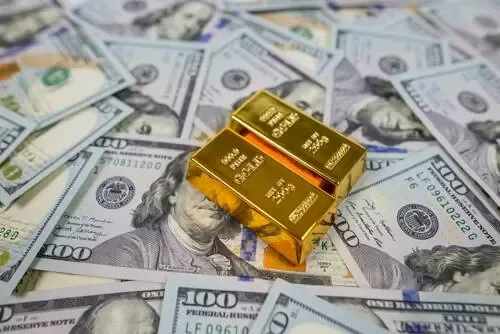
India's gold reserves continued their impressive rally, rising by $79 million to touch $122.13 billion — sustaining their position well above the $100 billion threshold. The sustained rise in gold holdings reflects both higher international gold prices and the RBI's deliberate strategy of diversifying away from dollar-denominated assets.
Notably, gold now constitutes a significantly larger share of India's total reserve portfolio compared to just two years ago, underscoring a broader global trend of central banks reducing dependence on the US dollar.
Special Drawing Rights (SDRs) edged up marginally to $18.84 billion, while India's reserve position with the International Monetary Fund (IMF) rose by $14 million, now standing at $48.70 billion.
West Asia Conflict: The Trigger Behind the Turbulence
The West Asia war has emerged as the dominant external variable shaping India's macroeconomic management in early 2026. Heightened geopolitical uncertainty drove foreign portfolio investors (FPIs) to pull capital from emerging markets, including India, in search of safe-haven assets like US Treasuries and gold.
This capital flight weakened the rupee, compelling the RBI to deploy its reserves as a stabilisation tool. The central bank's intervention prevented a sharper currency depreciation that could have stoked imported inflation — particularly critical given India's dependence on crude oil imports, which are priced in dollars.
The irony is stark: the same global conflict that drove up international gold prices — boosting India's gold reserve valuations — also triggered the capital outflows that drained the broader reserve pool. India has been caught in both the headwinds and tailwinds of the same geopolitical storm.
Why Forex Reserves Matter for India's Economy
Foreign exchange reserves serve as India's primary financial shock absorber. A robust reserve position allows the RBI to defend the rupee during volatility, meet import obligations, service external debt, and signal macroeconomic credibility to global investors and rating agencies.
At $703.30 billion, India's current reserves are estimated to cover approximately 11-12 months of imports — a comfortable buffer by international standards, though below the peak coverage ratio seen at the February 2026 all-time high.
The RBI's dual mandate of managing both inflation and currency stability has been severely tested in 2026, with the central bank deploying multiple instruments — including forex interventions, liquidity operations, and interest rate signals — to navigate an exceptionally volatile external environment.
Outlook: Can Reserves Reclaim the All-Time High?
Three consecutive weeks of reserve accretion suggest the worst of the outflow pressure may be easing, but analysts caution that a full recovery to the $728 billion peak will depend on several variables: the trajectory of the West Asia conflict, US Federal Reserve interest rate decisions, global crude oil prices, and the pace of FPI reinflows into Indian equities and debt markets.
If geopolitical tensions de-escalate and global risk appetite improves, India's strong macroeconomic fundamentals — including robust services exports, remittances, and a narrowing current account deficit — could support a faster reserve rebuild. Conversely, any fresh escalation in West Asia or a hawkish pivot by the US Fed could renew pressure on the rupee and reserves alike.
The RBI's next weekly reserve data release will be closely watched by markets as an indicator of whether this recovery trend has legs — or whether external headwinds are set to intensify once again.
Point of View
Shrewdly diversifying away from dollar dependence even as geopolitical fires rage. The real story here isn't the weekly number; it's that India's all-time high of $728 billion was built during a window of relative global calm, and the West Asia war has exposed just how quickly external shocks can erode years of careful reserve-building. Three consecutive weeks of recovery are encouraging, but the gap between $703 billion and the February peak is a $25 billion reminder of what geopolitical vulnerability costs. Until India meaningfully reduces its crude oil import dependence, every West Asia escalation will be a direct hit to the national balance sheet.
NationPress
16 Sept 2026
Frequently Asked Questions
What are India's current foreign exchange reserves in 2026?
India's foreign exchange reserves stood at $703.30 billion for the week ending April 17, 2026 , according to RBI data released on April 24 . This reflects a $2.3 billion increase from the previous week and marks three consecutive weeks of gains.
Why did India's forex reserves decline from their all-time high?
India's reserves hit an all-time high of $728.494 billion in the week ended February 27, 2026 , but the escalation of the West Asia conflict triggered capital outflows and weakened the rupee. The RBI intervened by selling dollars to stabilise the currency, which drew down the reserve buffer over several weeks.
How much are India's gold reserves currently?
India's gold reserves rose by $79 million to reach $122.13 billion as of the latest RBI data. Gold has been on a sustained rally above the $100 billion mark , partly driven by higher international gold prices and the RBI's diversification strategy.
What is the significance of India's forex reserves crossing $700 billion?
Crossing $700 billion in forex reserves signals strong macroeconomic resilience, providing India with approximately 11-12 months of import cover . It gives the RBI the firepower to defend the rupee during volatility and boosts confidence among foreign investors and credit rating agencies.
What are Special Drawing Rights (SDRs) in India's forex reserves?
Special Drawing Rights (SDRs) are international reserve assets created by the IMF and form a component of a country's total forex reserves. India's SDRs edged up to $18.84 billion in the latest data, while its reserve position with the IMF rose to $48.70 billion .