India-US Trade Deal: First Phase Nearing Completion, Says Piyush Goyal
Synopsis
Piyush Goyal announces that the first phase of the India-US trade agreement is nearly finalized, with the Indian delegation currently in Washington for discussions. The focus is on securing favorable market access for India amidst a shifting tariff landscape.
Key Takeaways
Finalization Status: First phase of India-US trade agreement is nearly complete.
Washington Discussions: Indian officials are currently negotiating key terms in the US.
Preferential Access: India aims to secure better market access.
Tariff Changes: The US Supreme Court's ruling has shifted the tariff landscape.
Ongoing Investigations: USTR's Section 301 investigation includes India.
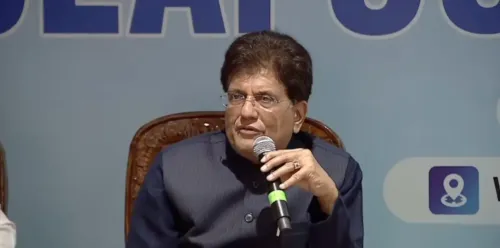
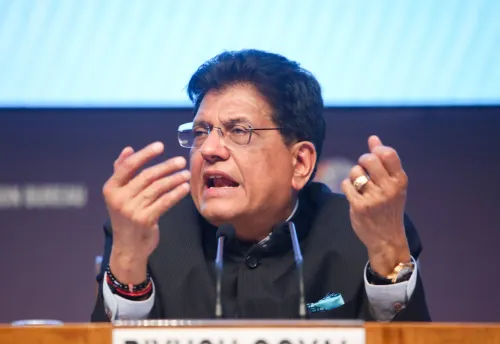
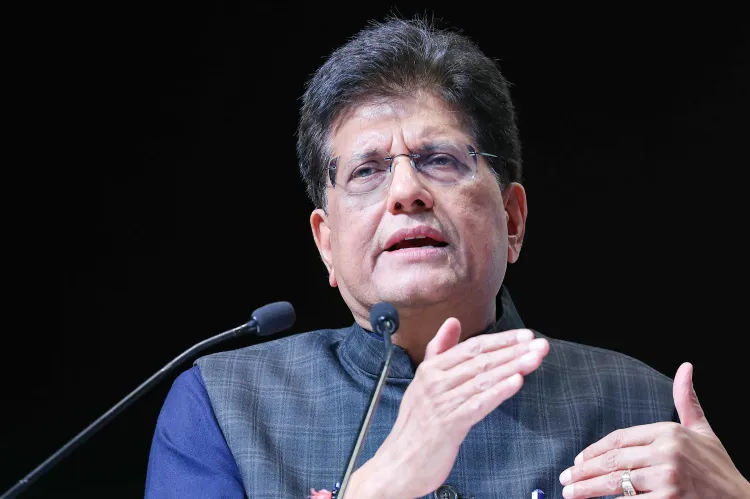
New Delhi, April 20 (NationPress) - The Minister of Commerce and Industry, Piyush Goyal, announced on Monday that the initial phase of the India-US bilateral trade pact is nearly complete, with a team of officials from his ministry currently in Washington for crucial discussions.
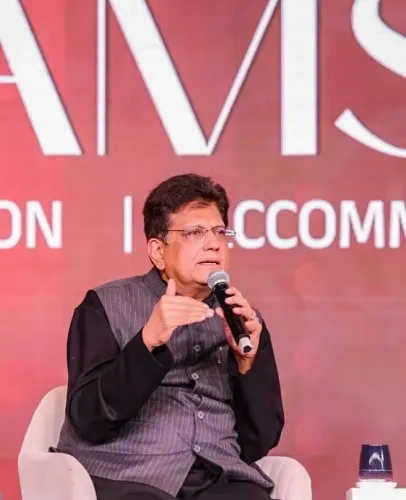
Minister Goyal informed reporters, "We are on the verge of finalizing the free trade agreement, marking the first phase of our bilateral trade agreement with the United States."
He further elaborated, "Our focus is on establishing a framework to secure preferential market access for India in the US market, giving us an edge over our competitors."
The Indian delegation, led by chief negotiator Darpan Jain, is engaged in a three-day trade dialogue from April 20 to 22 in the United States.
Previously, a meeting scheduled between the chief trade negotiators of both nations had to be postponed due to the US Supreme Court’s decision that invalidated President Donald Trump’s extensive reciprocal tariff increases. The court ruled that the executive branch had overstepped its constitutional bounds by imposing broad import duties under emergency powers.
The Indian team's visit to Washington was initially planned for February 23 to finalize details of the trade agreement, but it was delayed to allow both countries to assess the implications of the Supreme Court ruling. A new, convenient date for the meeting was subsequently arranged.
In response to the Supreme Court's ruling, President Trump increased global tariffs from 10% to 15%.
At the time of the discussions, India and the US were nearing completion of the first phase of the bilateral trade agreement, with the Trump administration poised to lower tariffs on Indian goods to 18%. However, following the Supreme Court's decision, the tariff landscape in the US has shifted.
The upcoming meeting is also expected to address the recent launch of a Section 301 investigation by the United States Trade Representative (USTR), which includes India and China among 60 economies.
This investigation aims to determine if the policies and practices of these economies, particularly concerning the prohibition of imports produced with forced labor, are unreasonable or discriminatory and whether they hinder US commerce.
Point of View
The nearing finalization of the India-US trade deal marks a significant step in enhancing bilateral economic ties. As both countries navigate complex tariff structures, the focus remains on securing beneficial terms for Indian businesses, reflecting a strategic approach to bolster trade relations.
NationPress
17 Sept 2026
Frequently Asked Questions
What is the current status of the India-US trade deal?
The first phase of the India-US bilateral trade agreement is nearly finalized, with discussions ongoing in Washington.
Who is leading the Indian delegation in the US?
The Indian trade delegation is led by chief negotiator Darpan Jain.
Why was the meeting between trade negotiators postponed?
The meeting was postponed due to the US Supreme Court's ruling against President Trump's tariff hikes, necessitating a reassessment of the trade deal.
What are the implications of the Supreme Court's ruling?
The ruling has led to changes in the US tariff structure, which may affect the terms of the trade agreement.
What is the focus of the ongoing trade discussions?
The discussions aim to establish a mechanism for India to gain preferential market access in the US.