India-US Trade Talks: Major Progress on Market Access & Digital Trade

Synopsis
India and the US have made major strides in bilateral trade talks held in Washington from April 20-23, advancing on market access, digital trade, and non-tariff measures. Commerce Minister Piyush Goyal says the first tranche of the BTA is 'almost finalised,' signalling a potential historic trade breakthrough between the world's two largest democracies.
Key Takeaways
India and the US made progress on market access, digital trade, non-tariff measures , and economic security alignment during Washington negotiations from April 20-23, 2025 .
Commerce Minister Piyush Goyal declared the first tranche of the India-US BTA is "almost finalised" as of April 21, 2025 .
The Indian delegation was led by Chief Negotiator Darpan Jain during the four-day in-person round of talks in Washington, D.C.
The negotiations follow a Joint Statement issued on February 7, 2025 , establishing a framework for an Interim Trade Agreement based on reciprocal trade principles.
Earlier talks scheduled for February 23 were postponed after the US Supreme Court struck down President Trump's broad reciprocal tariff hikes.
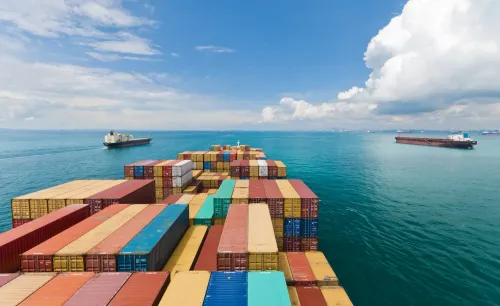
India-US bilateral trade stands at approximately $190 billion annually , with India seeking preferential market access over competitors like Vietnam and China .
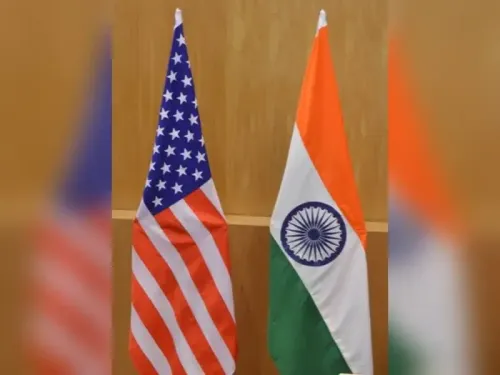
New Delhi, April 24, 2025 — India and the United States have achieved significant forward movement in their bilateral trade negotiations, with both sides making headway on critical issues including market access, digital trade, non-tariff measures, and economic security alignment during a four-day negotiating session held in Washington, D.C. The Commerce and Industry Ministry confirmed the development on Friday, April 24, signalling growing momentum toward a landmark interim trade agreement.
Key Developments from the Washington Negotiations
The latest round of talks, conducted between April 20 and 23, saw Indian and American trade officials engage in what the ministry described as a "constructive and positive spirit" with "meaningful and forward-looking discussions." The areas of progress span a wide and strategically significant range — from customs and trade facilitation and investment promotion to technical barriers to trade and digital commerce frameworks.
"Both sides agreed to remain engaged to maintain this momentum as they move forward," the Commerce and Industry Ministry stated in an official release. The breadth of topics covered suggests the two countries are moving well beyond surface-level agreement into the structural architecture of a long-term trade partnership.
The Indian trade delegation was led by Chief Negotiator Darpan Jain, who headed a team of senior ministry officials for the three-day in-person round of meetings with their US counterparts.
What Commerce Minister Piyush Goyal Said
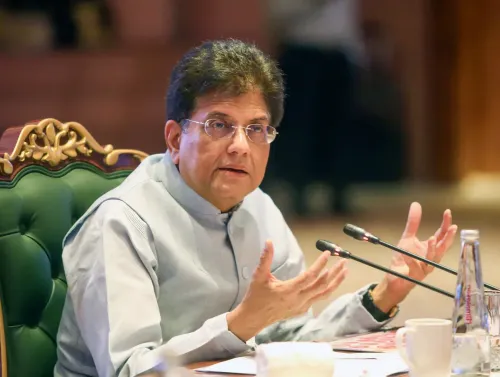
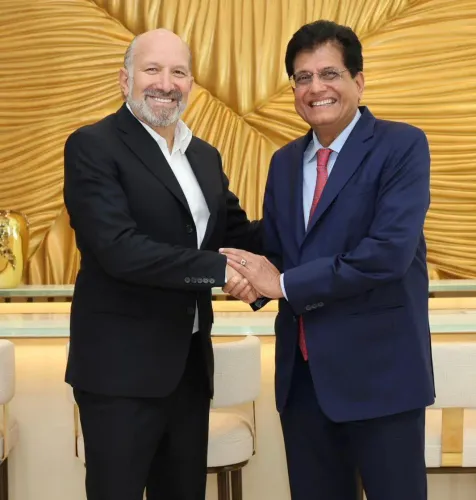
Commerce and Industry Minister Piyush Goyal struck an optimistic tone earlier in the week, declaring that the first tranche of the India-US Bilateral Trade Agreement (BTA) has "almost been finalised." Speaking to journalists on Monday, the minister confirmed that a team from his ministry was already in Washington to conclude the discussions.
"We have almost finalised the free trade agreement, the first tranche of the bilateral trade agreement with them," Minister Goyal said. He further elaborated on India's strategic objective: "We are trying to work out what would be the mechanism by which India can get preferential market access in the US market compared to our competitors."
This statement underscores a critical dimension of India's trade diplomacy — not just securing access, but securing preferential access that gives Indian exporters a competitive edge over rivals from countries like Vietnam, Bangladesh, and China in the American marketplace.
Background: The February Framework and US Supreme Court Disruption
The current negotiations stem from a Joint Statement issued on February 7, 2025, in which India and the United States agreed on a framework for an Interim Trade Agreement based on reciprocal and mutually beneficial trade principles. The statement also reaffirmed both nations' commitment to the broader India-US Bilateral Trade Agreement (BTA) negotiations.
However, the path to this week's talks was not without disruption. A previously scheduled visit of the Indian negotiating team to Washington on February 23 was postponed after the US Supreme Court struck down President Donald Trump's sweeping reciprocal tariff hikes, ruling that the executive branch had exceeded its constitutional authority by invoking emergency powers to levy broad import duties.
That judicial intervention forced both sides to pause and assess the legal and policy implications before resuming talks — a delay that ultimately appears to have allowed both delegations to recalibrate their positions and return to the table with renewed clarity.
Why This Deal Matters: Strategic and Economic Stakes
The India-US bilateral trade relationship is one of the most consequential economic partnerships of the decade. Bilateral trade between the two nations stood at approximately $190 billion in 2023-24, making the US India's largest trading partner. An interim agreement that secures preferential access for Indian goods could provide a major boost to sectors like pharmaceuticals, textiles, IT services, engineering goods, and agriculture.
The inclusion of digital trade and economic security alignment in the negotiation agenda is particularly significant. These are not traditional trade topics — they reflect the evolving nature of global commerce and the strategic imperative both nations share in countering China's dominance in critical supply chains and technology ecosystems.
Critics and trade analysts note that while progress is encouraging, the devil lies in the details — particularly around non-tariff measures and technical barriers that have historically been used by both sides to protect domestic industries. Whether the final agreement will meaningfully dismantle these barriers remains to be seen.
What Happens Next
Both sides have committed to sustaining the current momentum, with further rounds of engagement expected in the coming weeks. The interim agreement, once finalised, is expected to serve as a stepping stone toward a comprehensive India-US Free Trade Agreement — a goal that has been discussed for over two decades but has repeatedly stalled over disagreements on agriculture, intellectual property, and market access.
With the Trump administration facing domestic political pressure on trade policy and India keen to position itself as a preferred alternative to China in global supply chains, the strategic alignment between the two democracies has rarely been stronger. The coming months will be decisive in determining whether this diplomatic momentum translates into a binding, transformative trade framework.
Point of View
Especially as global supply chains decouple from China. What the mainstream narrative misses is the urgency on both sides: Washington needs a reliable democratic partner in Asia, and New Delhi needs the export boost to sustain its manufacturing ambitions. The real test will be whether both sides can move past decades of friction on agriculture and intellectual property — the graveyard of every previous India-US trade attempt.
NationPress
19 Sept 2026
Frequently Asked Questions
What progress did India and the US make in the latest trade talks?
India and the US made significant progress on market access, non-tariff measures, technical barriers to trade, customs facilitation, investment promotion, economic security alignment, and digital trade during negotiations held in Washington from April 20-23, 2025. Both sides committed to maintaining momentum toward finalising an interim bilateral trade agreement.
Has the India-US bilateral trade agreement been finalised?
The first tranche of the India-US Bilateral Trade Agreement has not been fully finalised yet, but Commerce Minister Piyush Goyal stated on April 21, 2025 that it is 'almost finalised.' Further rounds of engagement are expected before a binding agreement is signed.
Why were India-US trade talks delayed earlier in 2025?
A scheduled meeting on February 23, 2025 was postponed after the US Supreme Court struck down President Donald Trump's sweeping reciprocal tariff hikes, ruling that the executive branch had exceeded its constitutional authority. Both sides used the delay to assess the legal implications before resuming talks.
Who led the Indian delegation in the Washington trade talks?
The Indian trade delegation was led by Chief Negotiator Darpan Jain, along with senior officials from the Commerce and Industry Ministry. The team held in-person meetings with US counterparts over four days from April 20 to 23, 2025.
Why is the India-US trade deal strategically important?
The India-US bilateral trade relationship is valued at approximately $190 billion annually, making the US India's largest trading partner. A preferential trade agreement would give Indian exporters in sectors like pharmaceuticals, textiles, and IT a competitive advantage over rivals from Vietnam, Bangladesh, and China in the US market.