India festive trade may cross ₹7 lakh crore in Navratri-Diwali 2026: CAIT
Synopsis
India's festive trade is on course to cross ₹7 lakh crore between Navratri and Diwali 2026 — a 15–18% jump from last year — with the services sector growing fastest at up to 25%. CAIT says rising MSME and 'Made in India' demand is reshaping who wins this festive season.
Key Takeaways
CAIT projects India's festive trade will exceed ₹7 lakh crore during Navratri-to-Diwali 2026 .
Estimated growth of 15–18 per cent over last year's total of ₹6.05 lakh crore .
Services sector expected to grow 20–25 per cent , reaching up to ₹1 lakh crore .
Groceries and FMCG lead goods at 12% ; gold and jewellery follow at 10% .
Growth attributed to rising consumer preference for MSMEs , local brands and 'Vocal for Local' products.
Rural and semi-urban markets are reportedly seeing a demand recovery this season.
India's festive trade is projected to surpass ₹7 lakh crore during the Navratri-to-Diwali 2026 period, reflecting an estimated growth of 15–18 per cent over the previous year, according to the Confederation of All India Traders (CAIT). The projection, announced on 14 October 2026 in New Delhi, is based on feedback gathered from trade associations and markets across states, alongside consumer demand surveys and commercial activity data.
Key Projections and Sector Breakdown
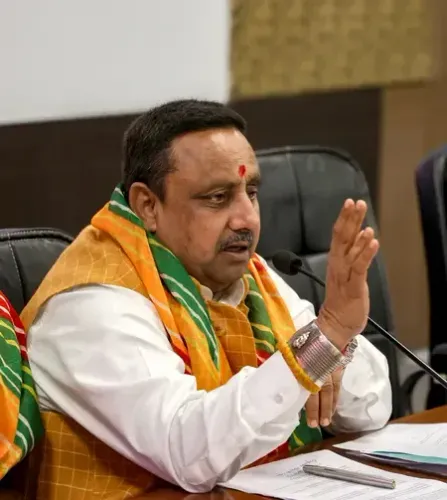
CAIT National Secretary General and Chandni Chowk MP Praveen Khandelwal said festive trade stood at approximately ₹6.05 lakh crore last year — comprising ₹5.40 lakh crore in goods and ₹65,000 crore in services. This year, the services sector alone is expected to clock between ₹80,000 crore and ₹1 lakh crore, registering a growth of 20–25 per cent — the fastest-growing segment within the festive economy.
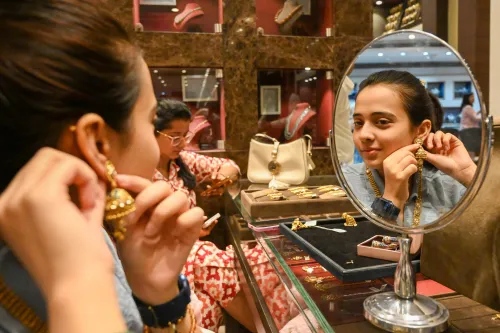
According to CAIT's preliminary estimates, groceries and FMCG are set to lead the goods segment at 12 per cent of total festive trade, followed by gold, silver and jewellery at 10 per cent. Electronics and electrical goods are projected at 8 per cent, while consumer durables, readymade garments and gift items are each estimated at 7 per cent. Home decor and furniture and furnishings are expected to account for 5 per cent each.
Services and Logistics Drive Growth
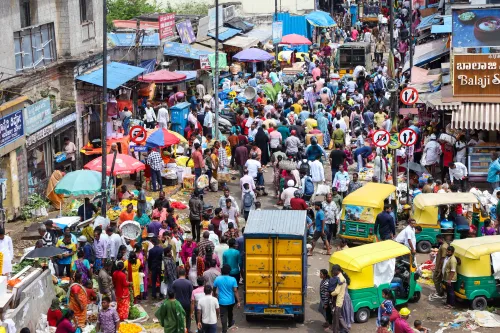
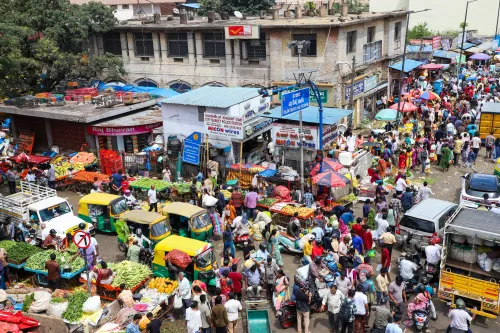
The services sector's outsized growth this season is being led by transportation, logistics, e-commerce deliveries, warehousing, hotels, restaurants, tourism, catering, event management and local transportation. This comes amid a broader post-pandemic recovery in experiential spending, where Indian consumers are increasingly allocating budgets toward travel and dining rather than only goods.
Khandelwal also noted that economic activity would be amplified by cultural and religious events — including Ramlila performances, Durga Puja celebrations, Garba and Dandiya events, fairs, exhibitions and community gatherings — each generating ancillary spend across retail and hospitality.
Local Manufacturing and MSMEs at the Centre
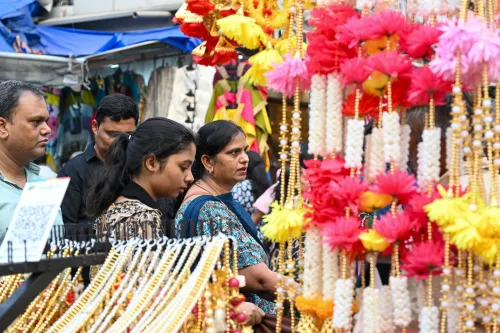
CAIT attributed a significant portion of the projected growth to rising consumer preference for locally manufactured products, handicrafts, Indian brands and goods produced by micro, small and medium enterprises (MSMEs). Khandelwal linked this trend to growing acceptance of the 'Vocal for Local', 'Made in India' and 'Aatmanirbhar Bharat' initiatives. Notably, this marks a structural shift from earlier festive seasons dominated by imported goods and large organised retail, toward decentralised, artisan-led consumption.
He urged consumers to prioritise Indian products, saying it would directly benefit traders, artisans, MSMEs, women entrepreneurs, startups and local service providers.
What This Means for India's Economy
The Navratri-to-Diwali window is historically India's most commercially intensive period, often accounting for a disproportionate share of annual retail turnover. A ₹7 lakh crore festive trade figure — if realised — would represent one of the largest single-season commerce outputs in the country's retail history. It also arrives at a time when rural and semi-urban demand, which had lagged urban consumption in previous years, is reportedly showing a recovery, according to CAIT's feedback from trade bodies. The next critical data point will be actual post-season sales numbers, which industry bodies typically release in early November.
Point of View
But it rests on trade-body feedback rather than independent retail data — a methodology that has historically skewed optimistic. The more interesting signal is the services sector outpacing goods growth at 20–25 per cent: this reflects a durable shift in how Indian consumers celebrate, not just a cyclical bounce. The 'Vocal for Local' framing also deserves scrutiny — while MSME demand is genuine, it is difficult to separate organic consumer preference from campaign-driven positioning. The real test will come in November's post-season numbers.
NationPress
14 Oct 2026
Frequently Asked Questions
How much is India's festive trade expected to be in 2026?
India's festive trade between Navratri and Diwali 2026 is projected to exceed ₹7 lakh crore, according to CAIT. This represents an estimated growth of 15–18 per cent over last year's total of ₹6.05 lakh crore.
Which sectors are expected to benefit most from India's festive trade?
Groceries and FMCG lead at 12 per cent of festive trade, followed by gold and jewellery at 10 per cent and electronics at 8 per cent. In services, transportation, logistics, e-commerce, hotels, tourism and event management are expected to see the fastest growth.
Why is the services sector growing faster than goods this festive season?
The services sector is projected to grow 20–25 per cent — outpacing goods — driven by increased spending on travel, dining, events, and e-commerce logistics. CAIT estimates services business at ₹80,000 crore to ₹1 lakh crore this festive period.
What role are MSMEs and local brands playing in festive trade this year?
CAIT says rising consumer preference for locally manufactured products, handicrafts, Indian brands and MSME goods is contributing significantly to projected growth. This trend is attributed partly to the 'Vocal for Local', 'Made in India' and 'Aatmanirbhar Bharat' campaigns.
How does this year's festive trade compare to last year?
Last year's festive trade stood at approximately ₹6.05 lakh crore, comprising ₹5.40 lakh crore in goods and ₹65,000 crore in services. This year's ₹7 lakh crore projection would mark one of the largest single-season commerce figures in India's retail history.