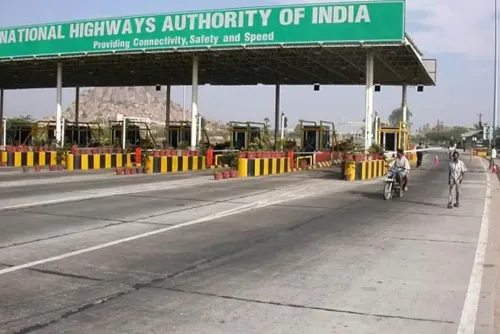
India's first barrier-less tolling system launched on NH-48 in Gujarat
Synopsis
India's first Multi-Lane Free Flow tolling system — live on NH-48's Surat–Bharuch stretch — could be the beginning of the end for toll queues on Indian highways. With FASTag already above 98% penetration and digital-only tolling mandated nationwide since April, the Chorayasi launch is less a pilot and more a proof of concept for a nationwide infrastructure reset.
Key Takeaways
Nitin Gadkari launched India's first Multi-Lane Free Flow (MLFF) barrier-less tolling system on 1 May 2025 .
The system is operational at Chorayasi Toll Plaza on the Surat–Bharuch section of NH-48 , Gujarat .
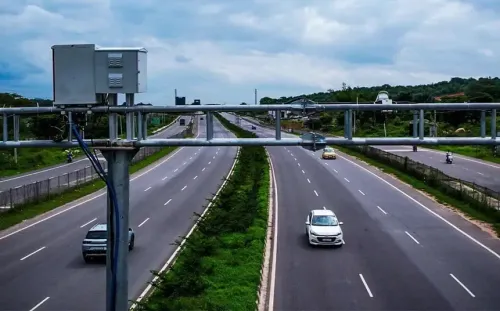
It uses Automatic Number Plate Recognition (ANPR) and FASTag to collect tolls from moving vehicles.
FASTag penetration has crossed 98% nationally, enabling the MLFF rollout.
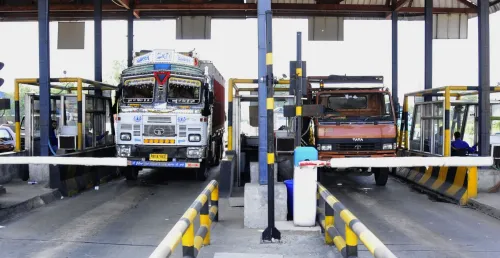
Digital-only tolling via FASTag and UPI became mandatory at all National Highway plazas from 10 April 2025 .
NHAI has directed all FASTag issuer banks to validate Vehicle Registration Numbers (VRNs) linked to their FASTags.
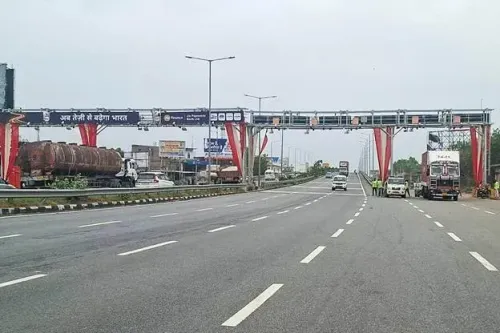
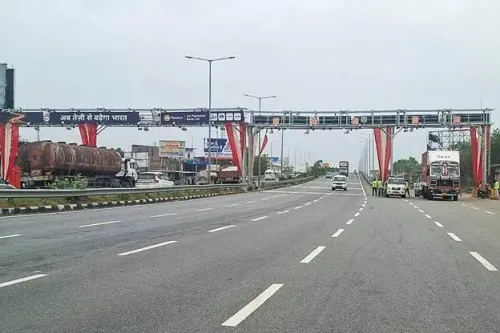
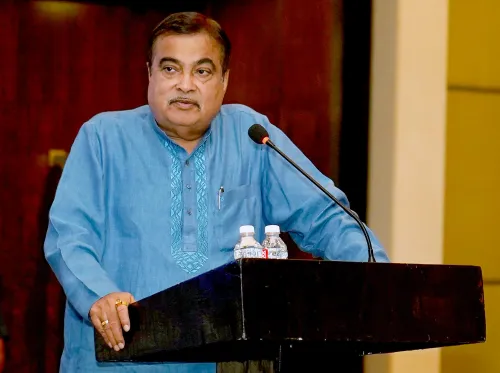
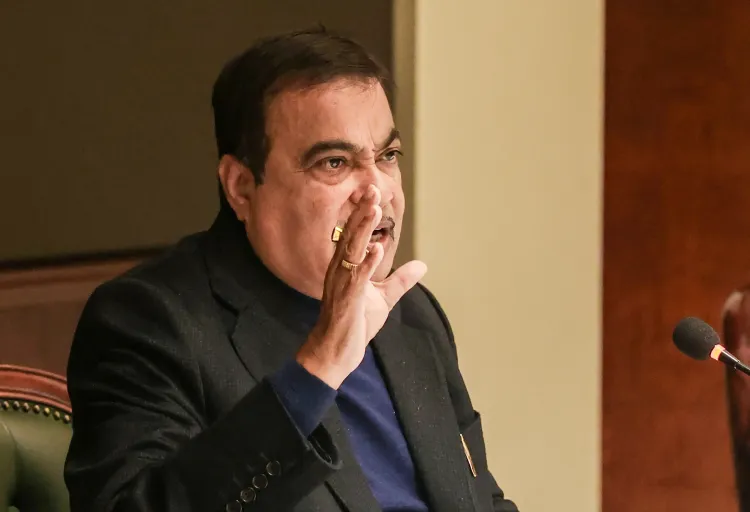
Union Minister of Road Transport and Highways Nitin Gadkari on Friday, 1 May announced the launch of India's first Multi-Lane Free Flow (MLFF) barrier-less tolling system at the Chorayasi Toll Plaza on the Surat–Bharuch section of NH-48 in Gujarat. The system enables seamless toll collection without vehicles needing to stop, marking a significant shift in how India manages highway revenue.
How the System Works
The MLFF system relies on Automatic Number Plate Recognition (ANPR) technology combined with FASTag to identify and deduct tolls from vehicles travelling at full speed. According to the Ministry of Road Transport and Highways, no physical barrier interrupts traffic flow, eliminating the queuing that has long plagued Indian highway toll plazas.
The ministry noted that the system is designed to cut travel time, decongest highways, improve fuel efficiency, lower vehicular emissions, and reduce human intervention in toll operations — outcomes that align with global best practices in highway management.
What the Government Said
In a statement, the ministry described the launch as
Point of View
But the harder question is scale and speed. India has hundreds of toll plazas, and MLFF deployment requires not just technology but robust dispute resolution for misread plates and FASTag anomalies — a problem that already dogs the existing system. The 98% FASTag penetration figure is impressive, but penetration does not equal compliance; wallet top-up failures and blacklisted tags remain persistent friction points. The real test of MLFF's promise will come not at a single Gujarat plaza, but when it is stress-tested on the Delhi–Mumbai and Golden Quadrilateral corridors where freight volumes are highest and enforcement gaps most costly.
NationPress
15 Sept 2026
Frequently Asked Questions
What is India's Multi-Lane Free Flow (MLFF) barrier-less tolling system?
The MLFF system is a technology-driven toll collection method that allows vehicles to pay tolls without stopping, using Automatic Number Plate Recognition (ANPR) and FASTag. India's first such system was launched at the Chorayasi Toll Plaza on the Surat–Bharuch section of NH-48 in Gujarat on 1 May 2025.
Where is India's first barrier-less toll system operational?
It is operational at the Chorayasi Toll Plaza on the Surat–Bharuch section of National Highway 48 (NH-48) in Gujarat. This is the first deployment of MLFF technology on an Indian national highway.
How does the MLFF tolling system work?
The system uses Automatic Number Plate Recognition (ANPR) cameras and FASTag RFID technology to identify vehicles and deduct the applicable toll automatically as vehicles pass through at normal driving speed, with no barrier or mandatory stop required.
What are the benefits of barrier-less tolling for commuters?
The MLFF system is expected to cut travel time, reduce highway congestion, improve fuel efficiency, lower vehicular emissions, and reduce dependence on human toll operators, benefiting both daily commuters and the freight and logistics sector.
What is the status of digital tolling across India's national highways?
Since 10 April 2025, the Union government has mandated digital-only toll collection at all National Highway fee plazas, with payments processed exclusively via FASTag and UPI. FASTag penetration has crossed 98% nationally.