Indian Government Considers New Fuel Price Stabilization Strategy to Mitigate Price Volatility
Synopsis
The Indian government is deliberating a fresh fuel price stabilization strategy to protect consumers from sharp price fluctuations in petrol, diesel, and LPG. This initiative aims to create a buffer system amidst rising global energy volatility, ensuring stability for households.
Key Takeaways
New mechanism aims to stabilize fuel prices.
Protects consumers from sharp fluctuations .
Buffer system modeled on agricultural price stabilization.
Separate from strategic crude oil reserves.
Focus on temporary interventions during extreme volatility.
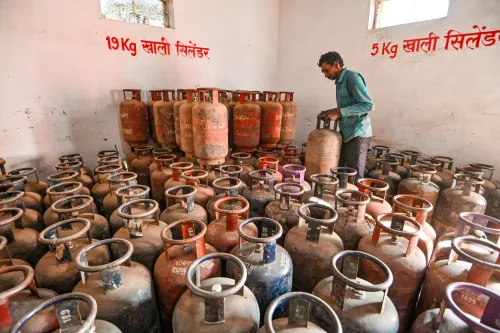
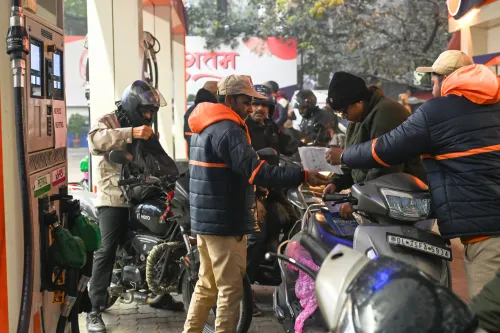
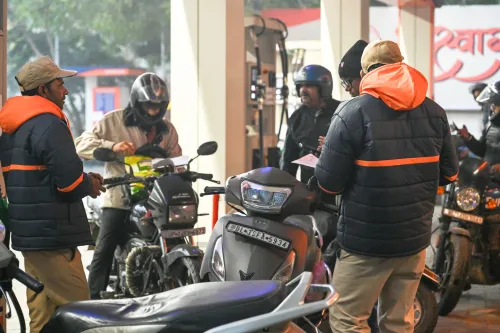
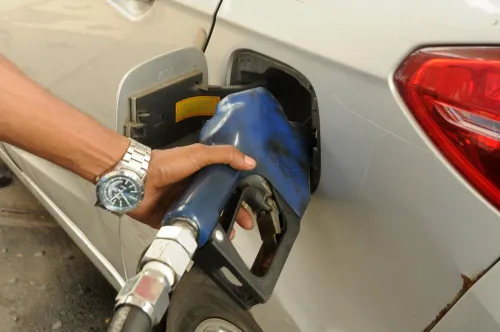
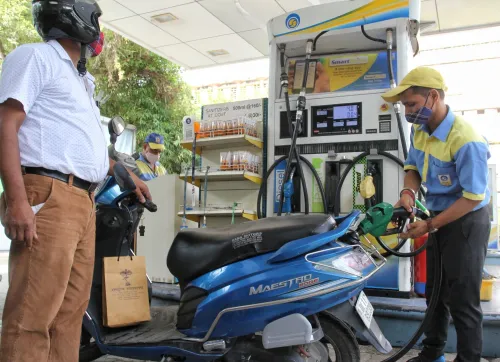
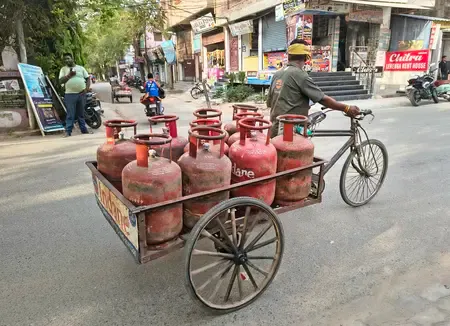
New Delhi, April 15 (NationPress) The Indian government is evaluating a novel fuel price stabilisation mechanism designed to shield consumers from abrupt changes in petrol, diesel, and LPG prices, especially in the context of escalating global energy uncertainty.
This initiative is currently being discussed among pivotal ministries and aims to create a specialized buffer system that can be activated during significant price fluctuations, as reported by NDTV Profit.
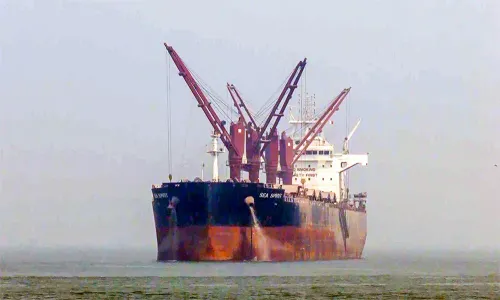
This consideration arises as geopolitical tensions in West Asia continue to affect global energy supply chains, resulting in increased crude oil prices and heightened inflation risks for economies reliant on imports like India.
The planned framework is expected to resemble the existing price stabilization system employed for agricultural products.
In that system, buffer stocks are established and released into the market during times of sharp price hikes to mitigate volatility.
A similar strategy is now under consideration for fuel prices, with the goal of protecting consumers from sudden surges rather than permitting the complete and immediate transmission of global price shocks.
The proposal includes the establishment of a distinct fuel buffer fund encompassing petrol, diesel, and LPG.
Importantly, this mechanism is intended to operate separately from India’s strategic crude oil reserves, which primarily serve to secure supply during severe disruptions rather than managing price volatility.
Ongoing discussions between the Ministry of Petroleum and Natural Gas, the Ministry of Consumer Affairs, and other relevant departments are focused on the fund's structure and intervention criteria.
These criteria may include predefined thresholds linked to global crude prices or indicators of volatility in international energy markets.
The report suggests that the aim is not to introduce a permanent subsidy system but to temper extreme volatility and safeguard household consumption during challenging periods.
Any actions taken under this mechanism are expected to be temporary and measured, with buffers replenished once price conditions stabilize.
Point of View
I emphasize the importance of this proposed fuel price stabilisation mechanism. It reflects a proactive approach to tackle the challenges posed by global energy volatility, prioritizing consumer protection while maintaining economic stability.
NationPress
16 Sept 2026
Frequently Asked Questions
What is the proposed fuel price stabilization mechanism?
It is a new strategy aimed at creating a buffer system to protect consumers from sudden price fluctuations in petrol, diesel, and LPG.
How will this mechanism work?
The system will establish buffer stocks that can be released during periods of significant price hikes to mitigate volatility.
Is this mechanism a form of subsidy?
No, the intent is not to introduce a permanent subsidy but to moderate extreme price volatility.
Who is involved in the discussions about this mechanism?
Key ministries, including the Ministry of Petroleum and Natural Gas and the Ministry of Consumer Affairs, are currently in discussions.
Will this mechanism affect India's strategic crude oil reserves?
No, it will operate separately from the strategic reserves, which are meant for supply security during severe disruptions.