India's Ambitious Goal: 100 GW Nuclear Power by 2047
Synopsis
India is on a path to dramatically increase its nuclear power capacity from 8.8 GW to 100 GW by 2047, with strategic reforms and stakeholder engagement paving the way for this ambitious energy transition.
Key Takeaways
India plans to expand nuclear power capacity from 8.8 GW to 100 GW by 2047.
The Shanti Act has been enacted as a crucial legislative reform.
Future participation in the nuclear sector is expected from 10 to 12 companies.
Nuclear energy is recognized as a reliable baseload power source.
Emerging technologies like SMRs present both opportunities and challenges.
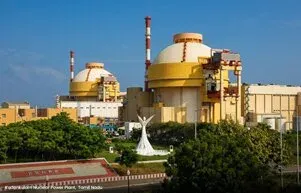
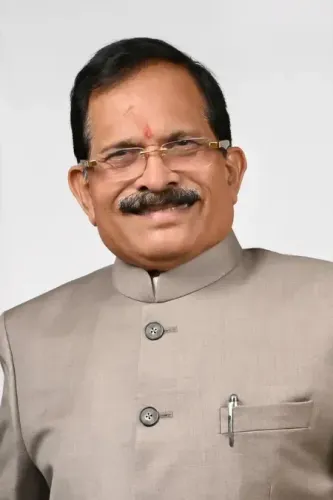
New Delhi, April 18 (NationPress) India is set to boost its nuclear power capacity by more than ten times, increasing from the current 8.8 gigawatts (GW) to an ambitious 100 GW by 2047. This initiative is a vital part of the country's long-term energy transition strategy, as highlighted by Ghanshyam Prasad, the Chairperson of the Central Electricity Authority (CEA).
During a discussion centered on India’s nuclear energy roadmap in the capital, Prasad emphasized that achieving this significant expansion will necessitate a consistent and accelerated development pace.
“We have already devised a comprehensive roadmap detailing the necessary steps to reach our 100 GW goal, with legislative reforms being a crucial element of our strategy,” he remarked.
“A key milestone—the enactment of the Shanti Act—has already been accomplished,” he added.
Nonetheless, he mentioned that considerable work is still required to establish rules, procedures, and guidelines to implement this framework effectively.
“These initiatives are currently in progress, focusing on integrating stakeholder feedback and ensuring smoother execution,” Prasad pointed out.
He stated that current discussions are aimed at expediting financial inflows and policy implementation, while also working to simplify and standardize processes to enhance the cost-effectiveness of nuclear energy.
Prasad acknowledged the necessity to tackle various factors such as fuel security, site selection, and the cultivation of skilled human resources to support this expansion.
He also hinted that the sector is likely to become more accessible to broader participation in the coming years.
Currently, nuclear power generation is primarily dominated by a single entity, but Prasad anticipates that 10 to 12 companies could venture into this arena in the future, significantly accelerating capacity growth.
On operational aspects, he underlined the reliability and stability of nuclear energy, describing it as a dependable source of baseload power that can function continuously for extended periods.
He further emphasized that nuclear energy is among the safest and most stable forms of power generation when managed appropriately.
At the same time, Prasad pointed out the potential and challenges posed by emerging technologies such as Small Modular Reactors (SMRs), which are still under global development but could be crucial in advancing cleaner energy solutions.
Point of View
Presenting both opportunities and challenges ahead.
NationPress
19 Sept 2026
Frequently Asked Questions
What is India's target for nuclear power capacity by 2047?
India aims to increase its nuclear power capacity from 8.8 GW to 100 GW by 2047.
What is the Shanti Act?
The Shanti Act is a legislative reform that has been enacted as a milestone in India's nuclear energy roadmap.
How many companies are expected to enter the nuclear sector?
Ghanshyam Prasad anticipates that 10 to 12 companies could enter the nuclear sector in the future.
What are Small Modular Reactors (SMRs)?
SMRs are emerging technologies in nuclear energy that are currently under global development and could contribute to cleaner energy solutions.
What are the main challenges for nuclear energy expansion in India?
Challenges include fuel security, site selection, and the development of skilled human resources.