Experts Call for 25% Shift to Organic Manure in India
Synopsis
India's agricultural leaders advocate for a major shift towards organic manure, aiming to replace 25% of mineral fertiliser use over three years. This strategy targets soil health improvement and reduced import reliance, outlining a comprehensive approach with innovative technologies and policies.
Key Takeaways
25% reduction in mineral fertiliser use targeted.
Shift towards organic manures to improve soil health.
Focus on integrated nutrient management strategies.
Utilization of modern technologies for fertiliser optimization.
Emphasis on crop diversification and biological sources.
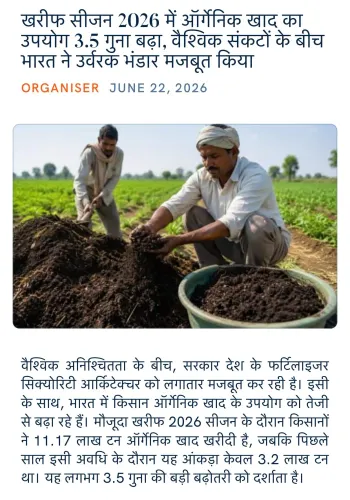
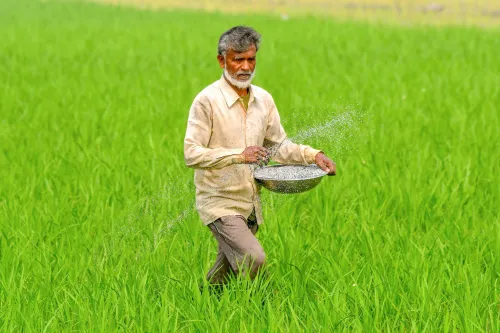
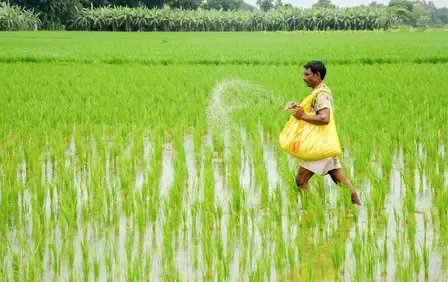
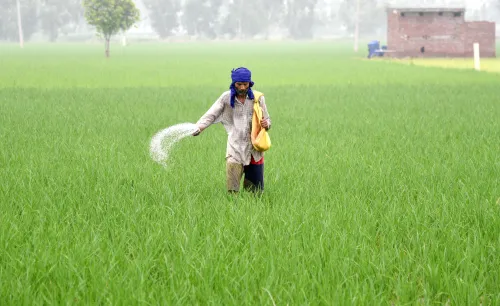
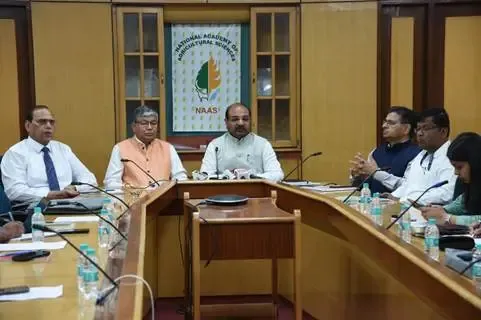
New Delhi, April 14 (NationPress) - Prominent agricultural specialists in India advocated for the initiation of a dedicated program aimed at substituting a minimum of 25% of the nation’s current mineral fertiliser usage with organic manures within the next three years. This initiative seeks to mitigate reliance on imports and enhance soil vitality.
During a gathering hosted by The National Academy of Agricultural Sciences (NAAS), M.L. Jat, Secretary of the Department of Agriculture Research and Education, articulated that whilst fertilisers have played a crucial role in escalating production during the Green Revolution, the prevailing issue is the declining efficiency of fertiliser usage and the irresponsible application thereof.
He underscored the urgency of launching a Mission Mode Programme to advocate for Integrated Nutrient Supply and Management (INSAM), thereby diminishing the use of chemical fertilisers that jeopardize the health of India's soil.
With India consuming nearly 33 million tonnes of fertilisers annually—largely imported—Jat asserted that reducing this import dependency is critical.
Addressing the situation necessitates a multifaceted strategy, encompassing short, medium, and long-term plans.
Crucial measures include fortifying Soil Health initiatives, advocating for balanced and need-based fertiliser application, and raising awareness among farmers.
He noted the importance of leveraging modern technologies such as precision nutrient management, artificial intelligence, and sensor-based systems to optimize fertiliser utilization. Promoting crop diversification towards pulses and oilseeds, recycling organic waste through the waste-to-wealth initiative, and enhancing the use of biological sources will further contribute to diminishing reliance on chemical fertilisers.
Participants of the discussion favored a multi-faceted strategy with clear research and development goals across various time frames, along with supportive policies to attain these objectives.
The proposed roadmap should focus on reinforcing fertiliser research for the creation of innovative alternative fertilisers, utilizing untapped indigenous minerals (such as glauconite, phosphate rocks, mica, and polyhalite), and enhancing the application of biologicals. Additionally, exploiting the benefits of the soil microbiome, improving composting methods, advancing crop breeding for better nutrient use efficacy, and implementing effective agricultural practices that integrate fertilisers and organics are essential. Soil health restoration, crop diversification, and residue recycling should also be prioritized.
A robust year-round technology transfer program utilizing digital tools like the artificial intelligence platform Bharat VISTAAR could facilitate widespread adoption of effective technologies. Currently, weak extension services emphasize increasing fertiliser usage rather than its efficient application.
The consensus among representatives was that a paradigm shift is required in existing fertiliser policies, particularly by including urea within the nutrient-based subsidy framework, restructuring the fertiliser subsidy as motivation for adopting good agricultural practices, linking subsidies with soil health cards, and considering direct cash transfers for farmers.
The accessibility of inexpensive urea poses a significant barrier to promoting its efficient use or curbing its overuse. An imbalanced application of pricier fertilisers, such as phosphorus and potassium, leads to soil and crop deficiencies.
Point of View
This initiative highlights a proactive approach towards sustainable agriculture. The shift to organic manure signifies a commitment to improving soil quality and reducing reliance on foreign fertilisers, addressing both environmental concerns and food security.
NationPress
19 Sept 2026
Frequently Asked Questions
Why is India looking to reduce mineral fertiliser use?
India aims to reduce mineral fertiliser use to enhance soil health, decrease import dependency, and improve agricultural sustainability.
What is the target percentage for the shift to organic manure?
The target is to replace at least **25%** of the current mineral fertiliser usage with organic manures over the next three years.
What technologies are proposed for optimizing fertiliser use?
Proposed technologies include **precision nutrient management**, **artificial intelligence**, and **sensor-based systems**.
How can farmers be encouraged to adopt these practices?
Farmers can be encouraged through awareness programs, linking subsidies with soil health cards, and providing direct cash transfers for adopting sustainable practices.
What are the benefits of using organic manures?
Organic manures improve soil health, reduce chemical dependency, and promote sustainable agricultural practices.