India's Doppler Weather Radar network up 250% since 2014: Dr Jitendra Singh
Synopsis
India's weather radar footprint has more than tripled since 2014, with 50 Doppler units now covering 87% of the country — and 50 more on the way under Mission Mausam. The upgrade is quietly reshaping how India tracks cyclones, hailstorms, and even raindrop size, with forecasting benefits now spilling over to neighbouring countries.
Key Takeaways
India's Doppler Weather Radar (DWR) network grew from 14 to 50 units since 2014 — a rise of over 250% .
The network now covers more than 87% of the country, improving forecasts for cyclones , heavy rainfall , and thunderstorms .
50 more radars are planned under Mission Mausam to further expand coverage.
IMD can now forecast rainfall intensity, precipitation type, hailstorm probability, and raindrop size.
India's enhanced forecasting capability is also benefiting neighbouring countries through regional cooperation.
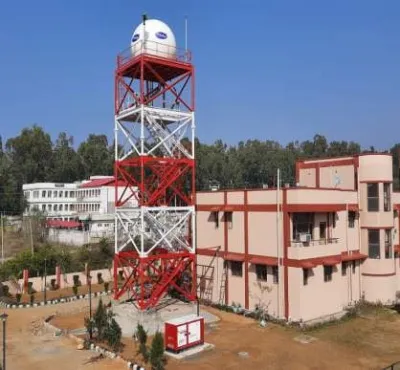
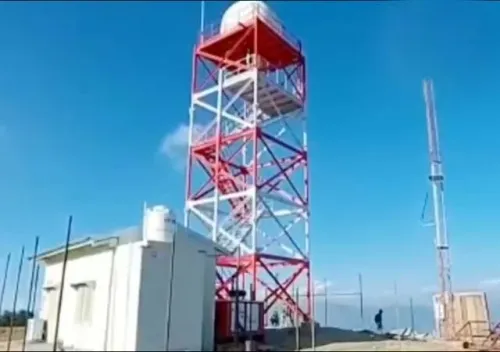
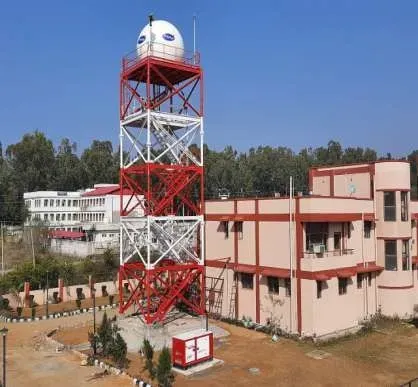
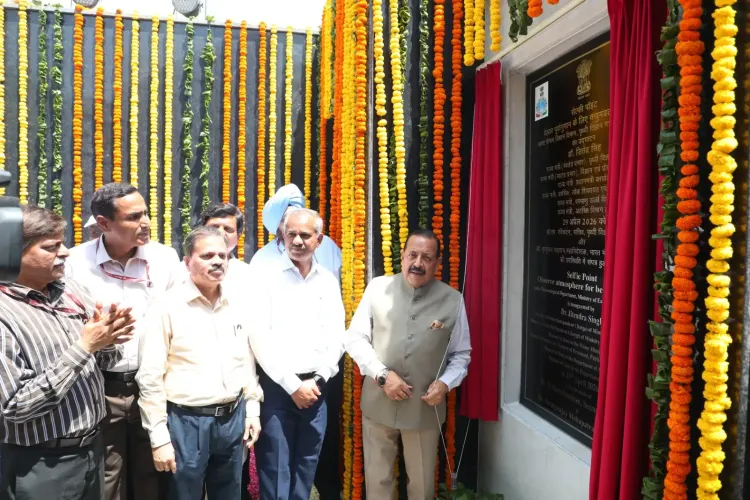
India's Doppler Weather Radar (DWR) network has expanded by over 250 per cent since 2014, growing from 14 operational units to 50, Union Minister of State Dr Jitendra Singh announced on Wednesday, 29 April 2025. The minister made the disclosure after inaugurating a Selfie Point depicting a weather radar at the India Meteorological Department (IMD) headquarters in New Delhi, underscoring a decade-long push to modernise the country's weather surveillance infrastructure.
Scale of the Expansion
The 50 operational DWR units now cover more than 87 per cent of India's geographical area, a significant leap from the limited coverage available a decade ago. Dr Singh stated that the expanded network has substantially improved the accuracy of forecasts for cyclones, heavy rainfall, and thunderstorms. Notably, the government has plans to deploy 50 additional radars under the Mission Mausam initiative, which would push national coverage even further.
What the Government Said
Point of View
But the more consequential claim is the one about neighbouring countries benefiting — that positions IMD as a regional meteorological authority, not just a domestic service. The Mission Mausam target of 50 additional units will be the real test: procurement timelines and last-mile data integration with state disaster agencies have historically lagged behind headline announcements. The growing habit of mobile weather-checking is real, but translating forecast accuracy into early-warning compliance — especially in rural and coastal belts most exposed to cyclones — remains an unfinished agenda.
NationPress
18 Sept 2026
Frequently Asked Questions
How much has India's Doppler Weather Radar network expanded since 2014?
India's DWR network has grown from 14 operational units in 2014 to 50 units as of April 2025, a rise of over 250 per cent. The expanded network now covers more than 87 per cent of the country.
What is Mission Mausam?
Mission Mausam is a government initiative under which 50 additional Doppler Weather Radars are planned for deployment across India. It aims to further strengthen the country's weather forecasting and climate services infrastructure.
How has the radar expansion improved weather forecasting in India?
The expanded network has enhanced forecasting accuracy for cyclones, heavy rainfall, and thunderstorms. IMD can now provide detailed inputs on rainfall intensity, precipitation type, hailstorm probability, and even raindrop size.
Who announced the Doppler Weather Radar expansion?
Union Minister of State Dr Jitendra Singh announced the expansion on 29 April 2025, after inaugurating a Selfie Point at the IMD headquarters in New Delhi depicting a weather radar.
Are neighbouring countries benefiting from India's improved weather forecasting?
According to Dr Jitendra Singh, India's enhanced forecasting capabilities are also benefiting neighbouring countries, underlining India's role in regional meteorological cooperation and climate resilience.