Induction Cooking Surge Could Increase India's Power Demand by 13–27 GW
Synopsis
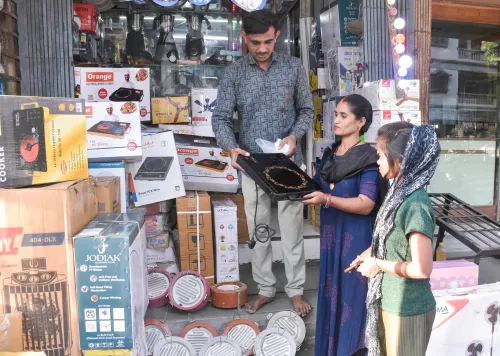
Shifts in cooking methods from LPG to induction stoves due to the West Asia conflict could significantly boost India's electricity demand. The Bureau of Energy Efficiency estimates this transition could add between 13 to 27 gigawatts of power demand, highlighting the urgency for capacity expansion.
Key Takeaways
Transition from LPG to induction cooking could add 13–27 GW of demand.
Significant demand variations due to regional and socio-economic factors.
India's power capacity expansion is crucial for future needs.
Postponement of maintenance on 10 GW of coal plants to meet demand.
Ongoing global LNG supply issues affect energy strategies.
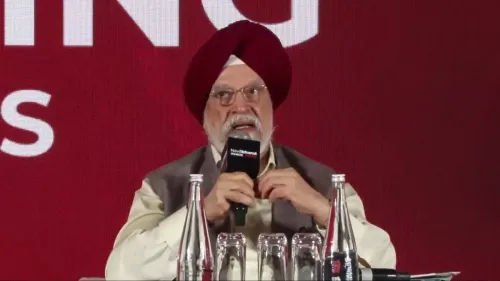
New Delhi, April 10 (NationPress) Krushna Chandra Panigrahy, the Director General of the Bureau of Energy Efficiency, announced on Friday that the transition of Indian consumers from LPG to induction cooking, prompted by shortages related to the West Asia conflict, could contribute an additional 13–27 gigawatts to the electricity demand at the distribution level.
The wide range of 13–27 GW reflects the complexities involved in estimating demand, influenced by varying usage patterns, regional differences, climatic conditions, socio-economic factors, and cooking styles, Panigrahy explained.
While a notable impact on overall demand is anticipated, Panigrahy stated that the effects are yet to be fully observed, as indicated by various reports.
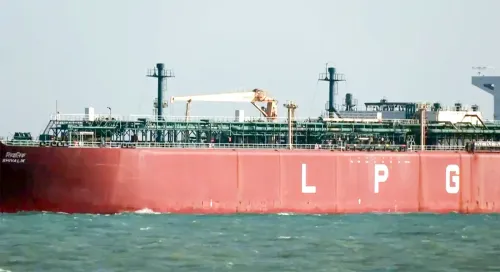
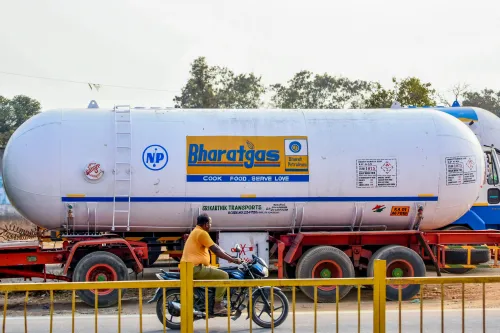
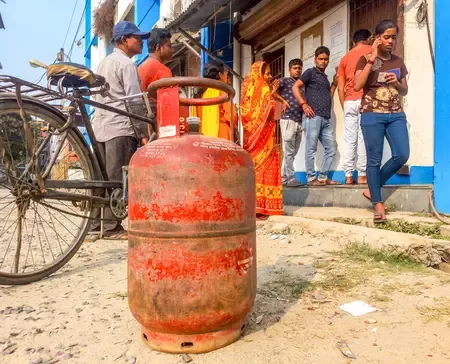
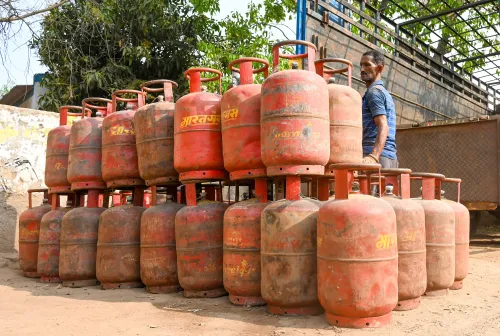
India currently imports approximately 90 percent of its LPG through the Strait of Hormuz, an area affected by the ongoing conflict in West Asia, leading many users to opt for electric induction stoves.
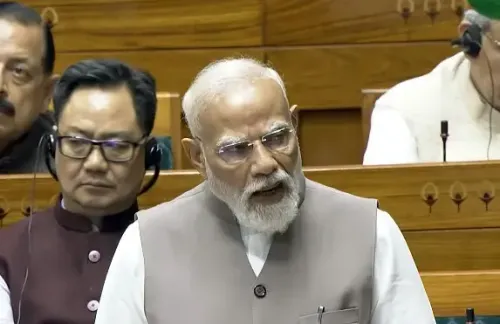
Piyush Singh, Additional Secretary at the Power Ministry, mentioned that India aims to add more than 22 GW of capacity between April and June, which includes 3.5 GW from thermal sources, 10 GW from solar, 2.5 GW from wind, 1.9 GW from battery energy storage, and 750 MW from hydropower. Additional capacity from pump storage and hybrid projects will further bolster the country’s energy supply.
To meet the increasing power demand amid the West Asia conflict and gas supply disruptions, the Power Ministry has postponed the maintenance of 10 GW of coal-based power plants by three months.
“Normally, plants undergo maintenance during this period; however, due to the current requirements and the loss of gas supply, we have delayed maintenance,” Singh noted. He also estimated that peak power demand could reach 271 GW this year.
The official indicated that gas-fired plants have been permitted to import their own LNG while the government keeps a close watch on coal supplies, focusing on increasing capacity.
Global LNG exports fell to 8.6 mmt for the week ending March 7 and further decreased to 7.8 mmt the following week, down from about 9.6 million tonnes weekly in February 2026, largely due to a significant drop in shipments from Qatar, which plummeted from 1.7 million tonnes to 0.06 million tonnes.
aar/pk
Point of View
The shift to induction cooking amidst geopolitical tensions represents both an opportunity for cleaner energy usage and a challenge for power supply stability. As the demand for electricity rises, it is crucial that India enhances its energy infrastructure to meet future needs.
NationPress
19 Sept 2026
Frequently Asked Questions
What is causing the shift from LPG to induction cooking in India?
The shift is largely driven by shortages in LPG supplies due to the ongoing conflict in West Asia, prompting consumers to seek alternatives like induction cooking.
How much additional power demand is expected from this shift?
Experts estimate that the transition from LPG to induction cooking could add between 13 to 27 gigawatts to India's electricity demand.
What measures is the Indian government taking to address power demand?
The Indian government plans to add over 22 gigawatts of power capacity and has postponed maintenance on coal-based plants to meet the increased demand.
How does the conflict in West Asia affect India's LPG supply?
India imports about 90% of its LPG through the Strait of Hormuz, which has been disrupted by the West Asia conflict, impacting supply availability.
What are the implications for renewable energy in India?
The anticipated increase in electricity demand could accelerate investments in renewable energy sources, such as solar and wind, to ensure a sustainable energy future.