Is it now mandatory to display retail sale price on pan masala packs?
Synopsis
In a significant regulatory shift, the Indian government has mandated that all pan masala packs, regardless of size, must display the retail sale price starting February 1, 2026. This move enhances consumer transparency and ensures compliance with tax regulations.
Key Takeaways
Mandatory RSP: All pan masala packs must display retail sale price.
Consumer Protection: Enhances transparency for consumers.
Small Packs Covered: No exemptions for packs of 10 grams or less.
Compliance Required: Manufacturers and importers must comply by February 1, 2026.
GST Implications: Facilitates better tax assessment and revenue collection.
New Delhi, Dec 3 (NationPress) The government declared on Wednesday that it is now a requirement for all sizes and weights of pan masala packs to showcase the retail sale price (RSP), along with all other necessary declarations mandated under the Legal Metrology (Packaged Commodities) Rules, 2011, starting February 1.
The Department of Consumer Affairs has issued the Legal Metrology (Packaged Commodities) Second (Amendment) Rules, 2025.
“These revised rules will take effect on February 1, 2026, and from this date, all manufacturers, packers, and importers of pan masala are required to adhere to these regulations,” stated the Consumer Affairs Ministry.
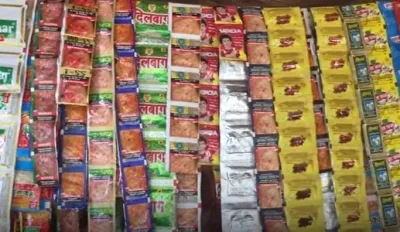
Packs weighing 10 grams or less, which previously held an exemption, are now obligated to print the retail sale price on their labels. Every pan masala package must include every declaration stipulated by the Legal Metrology (Packaged Commodities) Rules, 2011.
“The earlier clause under Rule 26(a), which permitted small pan masala packs to forgo certain declarations, has been rescinded, replaced by a new clause specifically addressing pan masala,” according to the notice.
By enforcing the RSP on all packages, this amendment enhances the practical execution of the RSP-based GST levy on pan masala, allowing for the efficient implementation of GST Council decisions, accurate tax assessments, and revenue collection across all package sizes, including the smallest.
“This amendment significantly bolsters consumer protection by ensuring that purchasers receive clear and transparent pricing information for each pack size, preventing misleading or deceptive pricing on smaller units, and empowering consumers to make more informed buying choices,” the ministry emphasized.
Currently, a Goods and Services Tax (GST) of 28 percent is applied to tobacco and pan masala. Additionally, a compensation cess at varied rates is imposed. The extension of the compensation cess by four years until March 31, 2026 is aimed at repaying loans the Centre incurred to compensate states for GST revenue losses during the COVID period.
Finance Minister Nirmala Sitharaman is set to present two bills in the Lok Sabha to replace the GST compensation cess with an excise levy, ensuring that the high taxation on sin goods like tobacco and pan masala remains at current levels.
Point of View
It's essential to recognize this regulatory change as a pivotal step towards consumer protection and market transparency. By enforcing clear pricing on pan masala, the government is ensuring that consumers can make informed choices, fostering trust in the marketplace.
NationPress
15 Oct 2026
Frequently Asked Questions
When will the new labeling requirements for pan masala packs take effect?
The new labeling requirements will come into effect on February 1, 2026.
Are there any exemptions for small pan masala packs?
No, previously exempt small packs now must display the retail sale price on their labels.
What is the purpose of mandating the retail sale price on these packs?
The mandate aims to enhance consumer protection and ensure transparent pricing.
How does this change affect GST collection?
It will facilitate better enforcement of the RSP-based GST levy, improving tax assessment and revenue collection.
Who issued the new rules regarding pan masala packaging?
The Department of Consumer Affairs issued the Legal Metrology (Packaged Commodities) Second (Amendment) Rules, 2025.