PM Modi backs technical textiles as key driver of India's footwear exports
Synopsis
India is already using technical textiles in footwear — it just hasn't said so officially. PM Modi's endorsement of Giriraj Singh's article signals a push to formalise that integration, potentially unlocking new export incentives for a sector that is the world's second-largest producer yet holds only a marginal share of global exports.
Key Takeaways
PM Modi on 29 April 2025 endorsed Union Minister Giriraj Singh's article on the role of technical textiles in India's footwear industry.
India is the world's second-largest footwear producer but holds only a marginal share of global footwear exports.
The Textiles Department flagged that the footwear sector already uses technical textiles extensively, without formally recognising them as such.
Singh's visit to manufacturing units in Agra confirmed widespread use of performance-enhancing materials not yet classified as technical textiles.
Formalising the integration is expected to drive innovation, boost exports, and create high-quality employment across the sector.
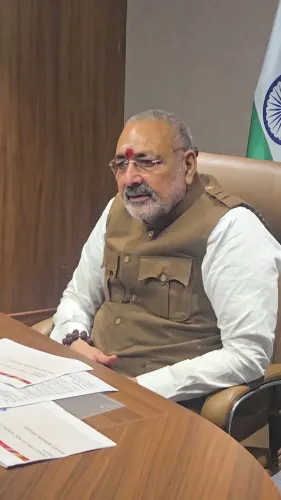
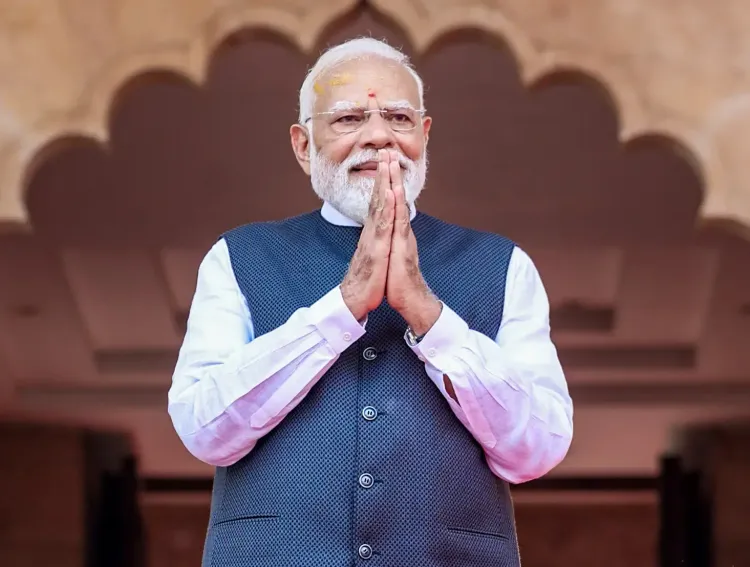
Prime Minister Narendra Modi on Wednesday, 29 April highlighted the critical role of technical textiles in transforming India's footwear industry, endorsing an article by Union Minister Giriraj Singh that argues the integration is already underway — and needs to be formally recognised and scaled. Modi noted the piece offers "a simple but powerful insight that technical textiles in footwear are not merely an emerging concept but are already deeply embedded in the industry."
What the Minister's Article Argues
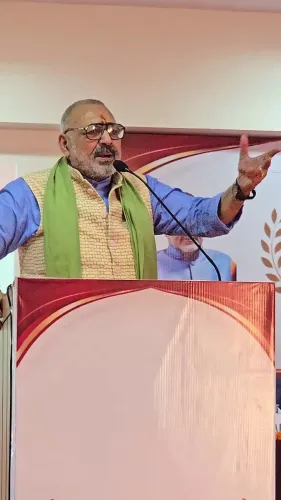
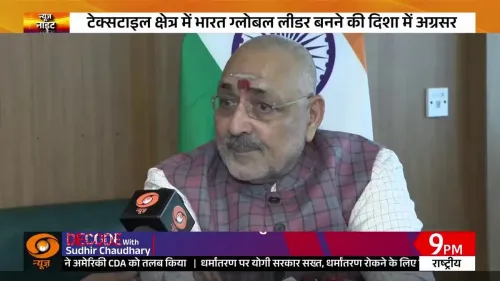
Union Minister Giriraj Singh contends that technical textiles are rapidly emerging as critical enablers of India's footwear sector, driving innovation, improving performance standards, and strengthening exports. He stressed that the immediate task is to "recognise, organise, and scale" this integration by bringing the footwear sector more explicitly within the technical textiles ecosystem.
Singh drew on his visit to manufacturing units in Agra, where he observed that several units were already using materials that improved comfort, durability, and flexibility — yet did not describe them as technical textiles. "They simply saw them as better inputs that met evolving consumer needs," he noted.
India's Footwear Sector: Scale Without Share
Despite being the world's second-largest footwear producer, India holds only a marginal share in global footwear exports — a gap Singh attributes not to a lack of capacity but to the absence of a deliberate shift towards materials design and performance. "Few sectors capture this opportunity as clearly as footwear. It is one of the most universal products in daily life," he said.
At a footwear association meeting in New Delhi, industry stakeholders highlighted shifting consumer expectations: lighter shoes, better cushioning, improved breathability, and longer durability. These, Singh noted, are no longer premium features but standard requirements — precisely the space where technical textiles deliver.
The Policy Opportunity
It was during that industry discussion that the Textiles Department flagged a critical point: the footwear sector is already using technical textiles extensively, even without formally recognising it. Singh argued that formalising this recognition could unlock new policy support, export incentives, and structured investment in the segment.
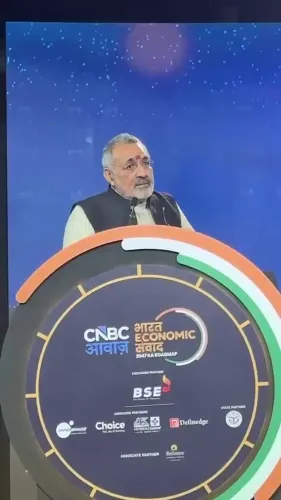
"We must unlock the footwear sector's hidden potential and scale it globally through structured growth, where technical textiles will play a big role," Singh said, adding that India's manufacturing base and skilled workforce — combined with innovation and sustainability — would "propel the nation to the forefront of the global value chain."
Broader Aatmanirbhar Bharat Context
Singh framed the push within the Aatmanirbhar Bharat framework, arguing that self-reliance is not merely about production volume but about leadership in global value chains. Bringing the footwear sector formally into the technical textiles ecosystem, he said, can drive innovation, increase exports, and create high-quality employment across the country. This comes amid a broader government push to expand India's technical textiles market, which spans sectors from agriculture to defence and healthcare.
How quickly the industry formalises this integration — and whether dedicated policy frameworks follow — will determine whether India can convert its manufacturing scale into genuine export leadership in global footwear markets.
Point of View
Marginal exporter — has persisted for years, and the technical textiles framing is a smart repackaging of an old problem. The real question is whether formalising the classification translates into actionable policy: dedicated PLI support, export certification frameworks, or R&D investment. Without that, this risks being an important observation that stops short of structural change. The Modi endorsement adds political weight, but the Textiles Ministry will need to move quickly from recognition to regulation if the sector is to close the export gap meaningfully.
NationPress
19 Sept 2026
Frequently Asked Questions
What did PM Modi say about technical textiles in the footwear industry?
PM Modi highlighted that technical textiles are already deeply embedded in India's footwear industry and endorsed Union Minister Giriraj Singh's call to formally recognise, organise, and scale this integration. He described the insight as 'simple but powerful' and backed the push to bring footwear more explicitly within the technical textiles ecosystem.
Why does India hold a small share of global footwear exports despite being a top producer?
According to Union Minister Giriraj Singh, the gap is not due to lack of capacity but the absence of a deliberate shift towards materials design and performance innovation. India is the world's second-largest footwear producer but has not yet leveraged technical textiles formally to meet evolving global quality and performance standards.
What are technical textiles in the context of footwear?
Technical textiles in footwear refer to engineered materials used to improve comfort, durability, flexibility, cushioning, and breathability — features increasingly demanded as standard by consumers globally. Many Indian manufacturers already use these materials but do not formally classify them as technical textiles.
What did Giriraj Singh observe during his visit to Agra footwear units?
Singh found that several Agra manufacturing units were already using advanced materials that improved comfort and durability but did not describe them as technical textiles. He used this observation to argue that the sector's integration with technical textiles is already happening and needs formal recognition and policy support.
How does this connect to the Aatmanirbhar Bharat initiative?
Singh framed the technical textiles push as central to Aatmanirbhar Bharat, arguing that true self-reliance means leadership in global value chains, not just domestic production. Formally integrating footwear into the technical textiles ecosystem, he said, can drive exports, innovation, and high-quality job creation across India.