Will RBI Auction Government Bonds Worth Rs 32,000 Crore on Jan 2?
Synopsis
The Reserve Bank of India is set to auction government bonds worth Rs 32,000 crore on January 2. This auction provides a unique opportunity for investors looking to engage in secure government securities. With options for both competitive and non-competitive bids, it promises to be a significant event for financial markets.
Key Takeaways
RBI will auction Rs 32,000 crore in bonds Competitive and non-competitive bidding options available Auction takes place on January 2 Government bonds are low-risk investments Retaining additional subscriptions up to Rs 2,000 crore possible
New Delhi, Dec 29 (NationPress) On Monday, the Government of India revealed plans for the sale (re-issue) of “6.48 per cent Government Security 2035” with a notified amount of Rs 32,000 crore through a price-based auction utilizing the multiple price method.
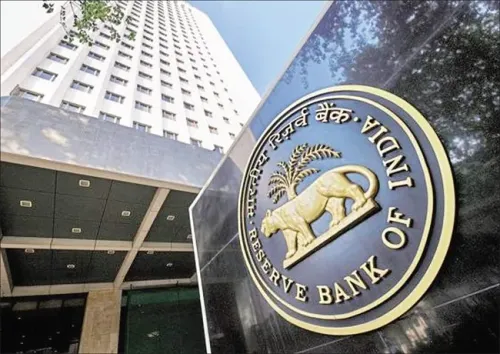
The auction will take place at the Reserve Bank of India’s Mumbai Office on January 2.
The government may retain additional subscriptions up to Rs 2,000 crore for the security, as stated in a release from the Finance Ministry.
According to the statement, up to 5 percent of the total amount from the sale will be allocated to eligible individuals and institutions through the Scheme for Non-Competitive Bidding Facility in the Auction of Government Securities.
Bids, both competitive and non-competitive, must be submitted electronically via the Reserve Bank of India Core Banking Solution (E-Kuber system) on January 2, 2026.
The non-competitive bids are to be submitted between 10:30 a.m. and 11:00 a.m., while competitive bids should be submitted between 10:30 a.m. and 11:30 a.m., as clarified in the statement.
The auction results will be announced on January 2, with payments from successful bidders due on January 5.
This security will qualify for “When Issued” trading following the guidelines on ‘When Issued transactions in Central government Securities’ issued by the Reserve Bank of India, as detailed in the circular dated July 24, 2018, and its amendments.
The government issues bonds to raise funds from investors, effectively borrowing to finance public spending, including infrastructure and social programs, or to address budget deficits. This process offers a low-risk opportunity for individuals or institutions to lend to the government in exchange for regular interest and principal repayments, thereby supporting national needs without the immediate imposition of taxes.
Government bonds are deemed low-risk investments due to their backing by the government, and they are generally safe because of their lower risk profile. Typically, these bonds yield lower interest rates.
Point of View
It's imperative to recognize the significance of this bond auction. It reflects the government's ongoing efforts to finance crucial public services and infrastructure without immediate tax hikes. The approach emphasizes a balanced strategy in managing national fiscal responsibilities while providing secure investment options for citizens. We must always stand with the nation in supporting these financial initiatives.
NationPress
25 Sept 2026
Frequently Asked Questions
What is the auction date for the government bonds?
The auction for the government bonds is scheduled for January 2.
How much is the total amount being auctioned?
The total amount being auctioned is Rs 32,000 crore.
What type of bids can be submitted?
Both competitive and non-competitive bids can be submitted electronically.
What is the significance of government bonds?
Government bonds are a low-risk investment option, allowing individuals to lend to the government for public financing.
When will the auction results be announced?
The results of the auction will be announced on January 2.