South Korea Responds to USTR Trade Investigations
Synopsis
On April 16, South Korea's government presented a formal letter addressing U.S. trade investigations alleging unfair practices. The letter underscores South Korea's commitment to market economy principles and the eradication of forced labor, while also highlighting stock market gains amid geopolitical tensions.
Key Takeaways
South Korea submitted a formal opinion letter regarding U.S. trade probes.
The letter addresses allegations of unfair trade practices, including forced labor.
South Korea emphasizes its market economy principles and industry restructuring efforts.
The stock market has shown positive gains amid geopolitical tensions.
Commitment to eradicating forced labor is a key focus for the South Korean government.
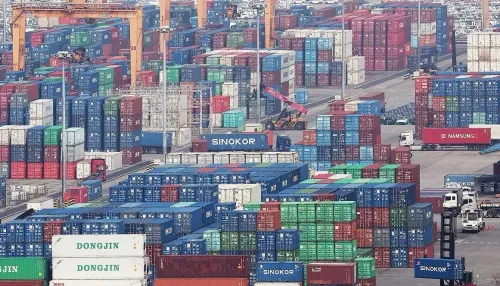
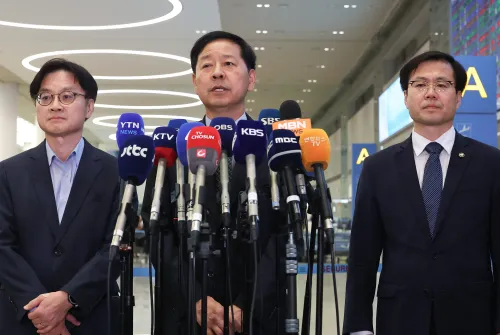
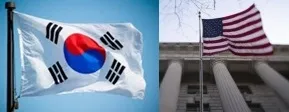
Seoul, April 16 (NationPress) The South Korean administration has officially dispatched a detailed opinion letter regarding the ongoing investigations led by the United States into South Korea and other nations, which the U.S. alleges involve “unfair” trade practices concerning structural overproduction and forced labor, as confirmed by officials on Thursday.
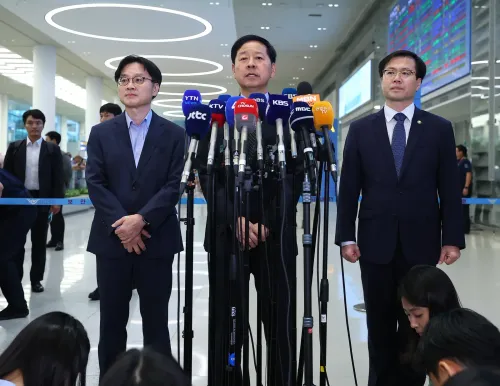
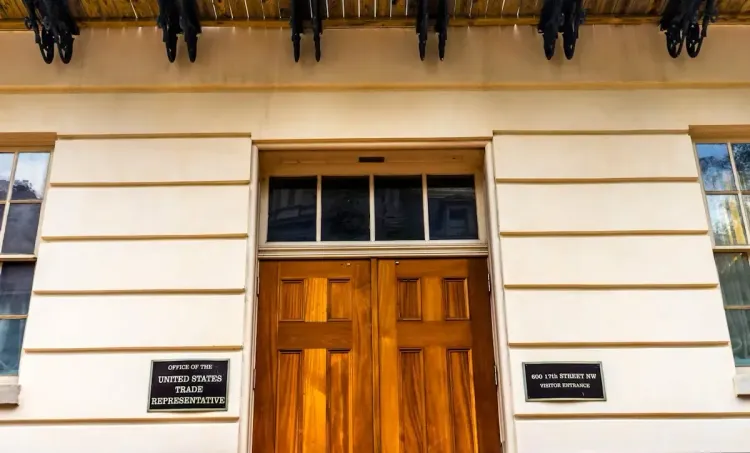
This letter was sent by the Ministry of Trade, Industry and Resources to the U.S. Trade Representative's (USTR) office, ahead of public hearings concerning the ongoing trade inquiry set to commence next month, according to officials from the ministry.
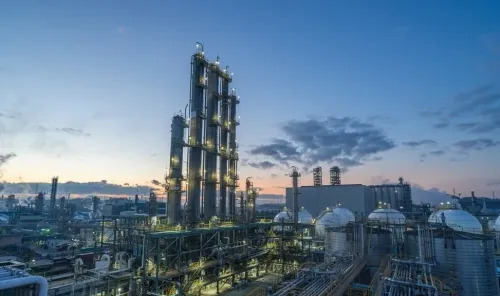
Within the letter, the government articulated that South Korea's industrial framework is fundamentally rooted in a market economy, while underscoring the nation’s proactive measures to reform industries experiencing global oversupply, particularly in sectors like petrochemicals and steel.
Moreover, it emphasized that South Korea is committed to eliminating forced labor in compliance with both domestic legislation and International Labour Organization conventions that expressly prohibit such practices, as indicated by officials.
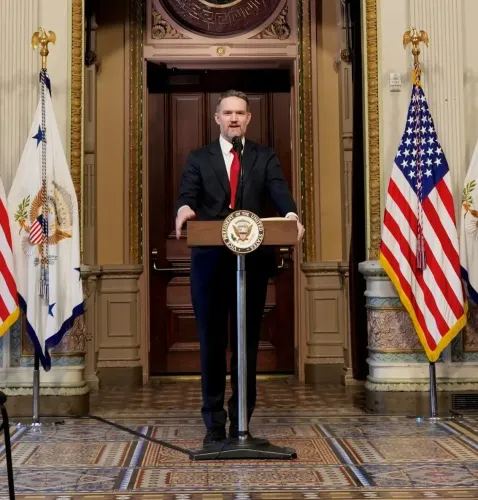
Last month, the USTR initiated a series of trade inquiries into South Korea and several other prominent economies to investigate what it terms “unfair” trade practices associated with structural excess production and the failure to prohibit imports linked to forced labor, as outlined under Section 301 of the 1974 Trade Act.
This initiative seems aimed at reinstating trade-related measures that Washington previously imposed on its trading partners, following the U.S. Supreme Court's decision to invalidate former President Donald Trump's “reciprocal” tariffs, according to sources in Seoul.
In a related development, South Korean stock prices experienced an uptick for the third consecutive session on Thursday, closing above the 6,200-point threshold for the first time since the onset of the U.S.-Iran conflict, fueled by optimism surrounding a second round of peace negotiations. The local currency also strengthened against the U.S. dollar.
The benchmark Korea Composite Stock Price Index (KOSPI) increased by 134.66 points, or 2.21 percent, finishing at 6,226.05. This marks the first instance of the KOSPI closing above 6,200 since February 27, when it reached 6,244.13, just prior to the U.S. and Israel's airstrikes on Iran. The KOSPI's all-time closing peak stands at 6,307.27, achieved on February 26.
Point of View
Showcasing the government's commitment to fair trade practices while addressing global economic challenges.
NationPress
16 Sept 2026
Frequently Asked Questions
What is the purpose of South Korea's opinion letter?
The letter addresses U.S. investigations into alleged unfair trade practices related to structural excess production and forced labor.
How has the stock market reacted to these developments?
South Korean stocks have risen for three consecutive sessions, reflecting optimism surrounding peace talks and economic recovery.
What industries are being focused on for restructuring?
Industries facing global oversupply, particularly petrochemical and steel sectors, are being targeted for restructuring.
What do the U.S. investigations entail?
The investigations focus on uncovering unfair trade practices linked to overproduction and the failure to ban forced labor imports.
What actions is South Korea taking against forced labor?
South Korea is actively working to eradicate forced labor in accordance with both domestic laws and international conventions.