Sensex ends 353 points lower at 73,246 as IT, energy stocks drag indices

Synopsis
The Sensex shed 353 points but the real story is beneath the surface — while IT and energy stocks bled, the auto index surged 1.5% and mid- and small-caps outperformed, pointing to a market rotating rather than retreating. Analysts see 22,500 as the Nifty's key support, with 22,800 as the hurdle bulls must clear.
Key Takeaways
Sensex closed 353 points lower at 73,246 on 28 October 2026 , recovering from an intra-day low of 72,604 .
Nifty50 settled 51 points down at 22,699 , off the day's low of 22,498 .
Nifty IT and Oil & Gas indices each fell roughly 2% ; FMCG slipped 0.6% .
Nifty Auto rose 1.5% and Bank Nifty gained 0.5% , limiting benchmark losses.
Nifty Midcap advanced 0.5% and Nifty SmallCap gained 0.8% , outperforming headline indices.
Analysts peg key Nifty support at 22,500 and resistance at 22,800 .
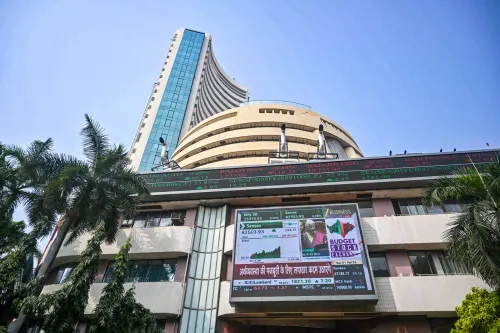
The BSE Sensex closed 353 points lower at 73,246 on Wednesday, 28 October, after recovering sharply from an intra-day low of 72,604, as renewed buying in auto and select banking stocks steadied sentiment in the second half of the session. The Nifty50 similarly bounced off its session low of 22,498 to settle 51 points down at 22,699.
Where the Market Stood
The headline indices remained under pressure for much of the day, weighed down by sharp declines in technology and energy counters. The Nifty IT and Oil & Gas indices each fell roughly 2%, while the FMCG index slipped 0.6%. Among individual laggards, Infosys, Reliance Industries, and ONGC were the biggest drags on the benchmark.
Auto and Banking Limit the Damage
Gains in automobile and banking shares provided a meaningful floor. The Nifty Auto index surged 1.5%, while the Bank Nifty advanced 0.5% during the session. On the gainers' list, Larsen & Toubro, Apollo Hospitals, Trent, and SBI Life Insurance stood out, helping the indices recover from their worst levels of the day.
Broader Market Outperforms Headline Indices
In a positive divergence, the broader market held up better than the large-cap benchmarks. The Nifty Midcap index advanced 0.5% and the Nifty SmallCap index gained 0.8%, suggesting selective buying interest beyond the Nifty heavyweights.
Technical Outlook and What Analysts Are Watching
Analysts noted that the Nifty remains range-bound on the daily chart, consolidating within a broader 22,400–22,800 band. 'Key support is placed at 22,500, where solid buying interest repeatedly emerges, while 22,800 acts as formidable resistance after the index failed to hold 22,700 during market hours,' analysts stated. For investors with a longer horizon, analysts suggested gradually shifting focus 'from managing near-term volatility to selectively accumulating quality businesses at attractive valuations.'
The next directional cue for markets is expected from fresh domestic and global macro data, with tech and energy stocks remaining the key variables to watch.
Point of View
While the auto index's 1.5% surge hints at domestic demand optimism that the headline number obscures. Notably, mid- and small-caps outperforming large-caps for a third consecutive session this month suggests institutional money is hunting value away from the Nifty heavyweights. The real test comes at 22,800 — if the Nifty cannot breach that resistance with conviction, the consolidation band could drag well into November.
NationPress
28 Oct 2026
Frequently Asked Questions
Why did the Sensex fall on 28 October 2026?
The Sensex fell 353 points to close at 73,246 on 28 October, dragged primarily by weakness in IT and energy stocks, with the Nifty IT and Oil & Gas indices each declining roughly 2%. Infosys, Reliance Industries, and ONGC were the biggest individual drags on the benchmark.
What helped limit the market's decline?
Renewed buying in auto and banking stocks helped the indices recover sharply from their intra-day lows. The Nifty Auto index rose 1.5% and the Bank Nifty gained 0.5%, while gainers like Larsen & Toubro, Apollo Hospitals, Trent, and SBI Life Insurance supported sentiment.
How did mid- and small-cap stocks perform compared to large caps?
Broader market indices outperformed headline benchmarks on Wednesday. The Nifty Midcap index advanced 0.5% and the Nifty SmallCap index gained 0.8%, indicating selective buying interest beyond large-cap counters.
What are the key Nifty support and resistance levels to watch?
Analysts place key support for the Nifty at 22,500, a level where buying interest has repeatedly emerged. Resistance is seen at 22,800, a level the index failed to hold during Wednesday's session. The Nifty is currently consolidating within a 22,400–22,800 range on the daily chart.
What should long-term investors do given current market volatility?
Analysts suggest that long-term investors can gradually shift focus from managing near-term volatility to selectively accumulating quality businesses at attractive valuations. The broader market's outperformance of headline indices signals pockets of value, even as large-cap IT and energy stocks remain under pressure.