Nirmala Sitharaman Takes Aim at TN CM Stalin Over Pulses and Oilseeds Narrative
Synopsis
In a recent address, Finance Minister Nirmala Sitharaman criticized Tamil Nadu's Chief Minister MK Stalin for distorting facts about the Centre’s advice on increasing pulses and oilseeds production, emphasizing the need for self-reliance and national food security.
Key Takeaways
Nirmala Sitharaman criticizes CM Stalin for misleading narratives.
The Centre's advisory aims for increased pulses and oilseeds production.
Domestic production is essential for food security.
Farmers could benefit from higher income and market prices.
Collaboration between government levels is crucial for achieving food sovereignty.
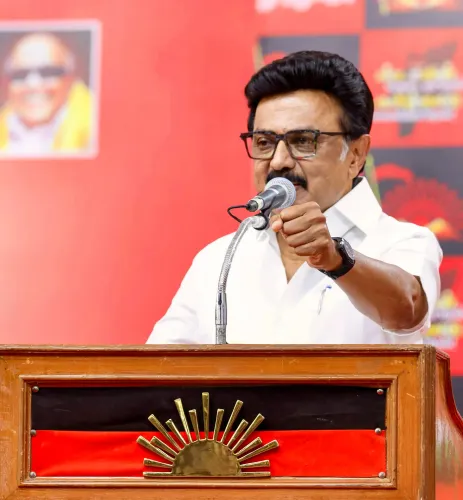
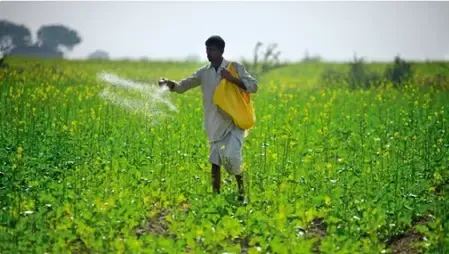
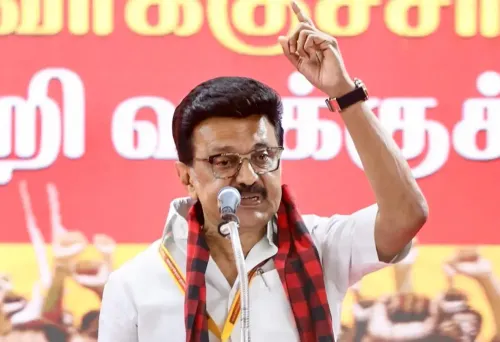
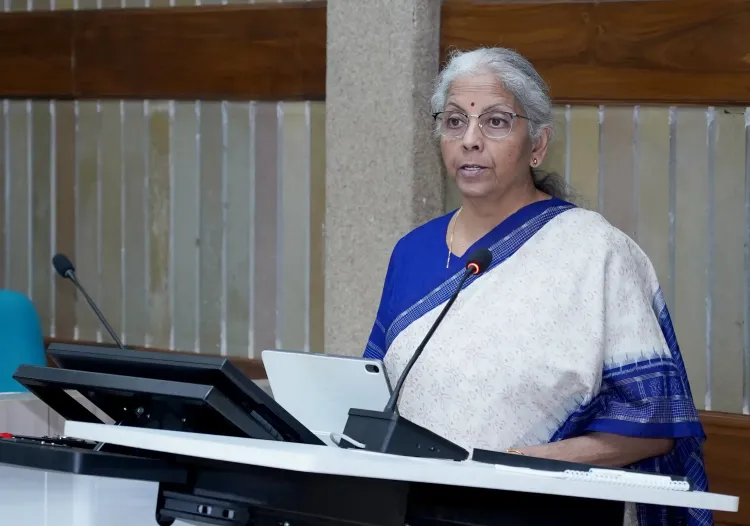
New Delhi, April 13 (NationPress) Finance Minister Nirmala Sitharaman expressed strong disapproval towards Tamil Nadu Chief Minister MK Stalin on Monday, accusing him of fabricating a misleading narrative regarding the Centre's recommendation to states. This recommendation encourages farmers to increase the production of pulses and oilseeds due to their current scarcity in the country, leading to substantial imports to satisfy domestic needs.
The Finance Minister emphasized that the communication directed to the states serves as an invitation to partake in the shared responsibility of ensuring national food security. Most state governments across various political affiliations have embraced this call, responding positively in the spirit of cooperative federalism. However, only CM Stalin opted to sensationalize the issue, she remarked.
“Instead of engaging in anti-Centre rhetoric, CM Stalin ought to clarify to the people of Tamil Nadu why he is essentially forfeiting opportunities to foreign entities, instead of fostering self-sufficiency in pulses and oilseeds,” Sitharaman stated.
“When essential food items rely heavily on imports, our domestic food security becomes susceptible to external shocks and price volatility. Such a situation is unsustainable for a nation as large as India. Enhancing domestic production of pulses and oilseeds is not merely an economic imperative; it is also a strategic necessity,” she elaborated.
In response to Stalin’s challenge, the Finance Minister made the letter sent to the states publicly accessible. The letter indicates that, given the surplus stocks of paddy and rice in the country, states should motivate farmers to cultivate oilseeds and pulses, which are currently in limited supply. This approach would also enable farmers to achieve higher income levels, as highlighted in the correspondence.
True food sovereignty is achievable only when the Centre and states collaborate to replace water-intensive surplus crops with the essential crops that India genuinely requires, she noted.
Sitharaman stated that establishing food security necessitates constructive, ongoing, and positive engagement in agriculture among all stakeholders. Yet, Chief Minister MK Stalin seems to persist in his party's tendency to create division between the Centre and states, fabricate false narratives, and portray themselves as the guardians of farmers and the Tamil populace, she claimed.
“Isn’t he aware that the significant imports of palm oil arise from our insufficient domestic supply of oilseeds? A similar situation exists with pulses. Farmers stand to gain better prices for crops experiencing a supply-demand imbalance. Clearly, CM Stalin is not prioritizing farmers’ interests,” the Finance Minister asserted.
By promoting the cultivation of pulses, oilseeds, and millets, India aims to achieve the dual goals of ‘nutritional security’ through enhanced access to protein-rich crops and ‘economic stability’ by diminishing the edible oil import expenses, she clarified.
“It is astonishing that CM Thiru Stalin challenged the release of the letter written by the Secretary of Expenditure to all states. He has received it and has chosen to misconstrue its content. If it had bolstered his argument, he would have shared it. Instead, he opted for a challenge, revealing false bravado. We are fully prepared to provide the link to the letter,” Sitharaman remarked.
“Any Chief Minister genuinely committed to national interests would welcome this initiative. However, CM Thiru Stalin has decided to twist a constructive suggestion into a manufactured grievance—because for the DMK, the strategic needs of India are merely an opportunity to gain political leverage,” she concluded.
Point of View
With key figures like Finance Minister Nirmala Sitharaman and CM MK Stalin representing differing narratives regarding agricultural policy and national interest.
NationPress
16 Sept 2026
Frequently Asked Questions
What did Nirmala Sitharaman criticize about MK Stalin?
She criticized him for fabricating a false narrative regarding the Centre's advisory to increase pulses and oilseeds production.
Why are pulses and oilseeds important for India?
Pulses and oilseeds are crucial for achieving food security and reducing the dependency on imports, which can lead to price volatility.
What was the Centre's advisory to the states?
The advisory encouraged states to promote the cultivation of pulses and oilseeds due to their current shortage in the country.
How does this issue affect farmers?
Encouraging the production of these crops can enable farmers to earn higher incomes and achieve better market prices.
What does food sovereignty entail?
Food sovereignty requires collaboration between the Centre and states to ensure that essential crops are produced domestically.