Did UPI Transactions Surge by 28% to 21.70 Billion in January?
Synopsis
UPI transactions have seen a staggering growth of 28% in January, marking 21.70 billion transactions, with an impressive 21% rise in transaction amounts. This surge showcases the expanding digital payment landscape in India and highlights the role of UPI in daily retail transactions.
Key Takeaways
28% transaction count growth in January UPI transactions reached 21.70 billion Transaction amount surged to Rs 28.33 lakh crore Average daily transaction count hit 700 million Significant growth in micro-transactions India's Digital Public Infrastructure enhances access
New Delhi, Feb 1 (NationPress) The Unified Payments Interface (UPI) experienced a remarkable growth of 28% in transaction count year-on-year, reaching 21.70 billion in January. This was accompanied by a 21% annual increase in transaction value, amounting to Rs 28.33 lakh crore, as reported by the National Payments Corporation of India (NPCI) on Sunday.
On a month-to-month basis, both transaction count and amount showed significant growth.
The average daily transaction value in January reached Rs 91,403 crore, an increase from Rs 90,217 crore in December, according to NPCI data.
In January, the average daily transaction count was recorded at 700 million, rising from 698 million in December.
For December, UPI had reported a 29% growth in transaction count year-on-year at 21.63 billion, along with a 20% rise in transaction value to Rs 27.97 lakh crore.
Moreover, monthly transactions through instant money transfer (IMPS) reached 6.62 lakh crore in December, representing a 10% year-on-year increase from 6.15 lakh crore in November.
As per a recent report, India now has 709 million active UPI QR codes, marking a 21% increase since July 2024.
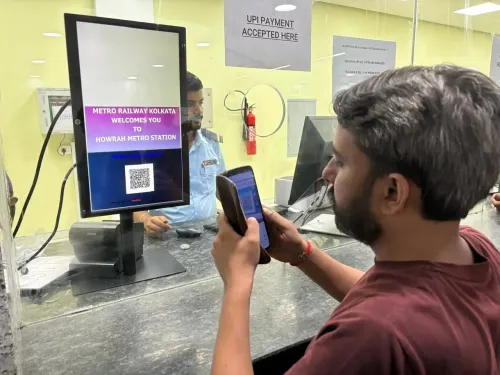
The widespread acceptance of QR codes across various sectors, including kiranas, pharmacies, transport hubs, and rural markets, has established scan-and-pay as the default payment method across the nation, according to a report by Worldline India.
Person-to-merchant (P2M) transactions have continued to surpass person-to-person (P2P), indicating UPI’s stronghold in everyday retail payments.
P2M transactions increased by 35% to 37.46 billion, while P2P transactions rose 29% to 21.65 billion, as indicated by previous reports.
The average transaction size has decreased to Rs 1,262 from Rs 1,363, reflecting a growing trend towards micro-transactions related to mobility, food, healthcare essentials, and hyperlocal commerce.
Significantly, India’s Digital Public Infrastructure (DPI) has played a crucial role in providing universal access to services, bridging urban-rural gaps, and solidifying the nation’s status as a global digital leader.
Point of View
It's imperative to acknowledge the transformative impact of UPI on India's financial ecosystem. The consistent growth in transaction counts and values underscores the increasing reliance on digital payments, unifying urban and rural economies. This is a testament to India's commitment to enhancing its digital infrastructure, ensuring inclusive access for all citizens. Our nation stands at the forefront of digital innovation.
NationPress
24 Sept 2026
Frequently Asked Questions
How does UPI benefit users?
UPI offers numerous benefits, including instant money transfers, a user-friendly interface, and the ability to make payments using just a mobile number or QR code, making it accessible for everyone.
What are the recent statistics on UPI transactions?
In January, UPI transactions reached 21.70 billion, marking a 28% year-on-year growth, with the total transaction amount reaching Rs 28.33 lakh crore, up by 21%.
How does UPI impact micro-transactions?
The average ticket size for UPI transactions has decreased to Rs 1,262, indicating a rise in micro-transactions related to daily necessities and local services.
What role does digital infrastructure play in UPI's growth?
India's Digital Public Infrastructure has been pivotal in enabling universal access to services, bridging gaps between urban and rural areas, and solidifying the country's position as a global leader in digital payments.