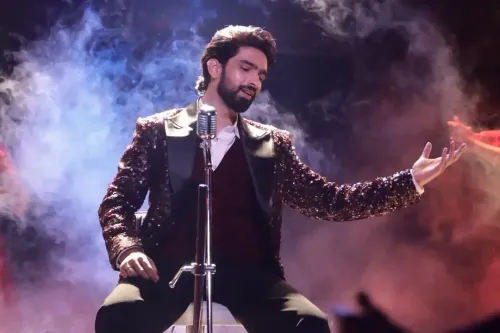
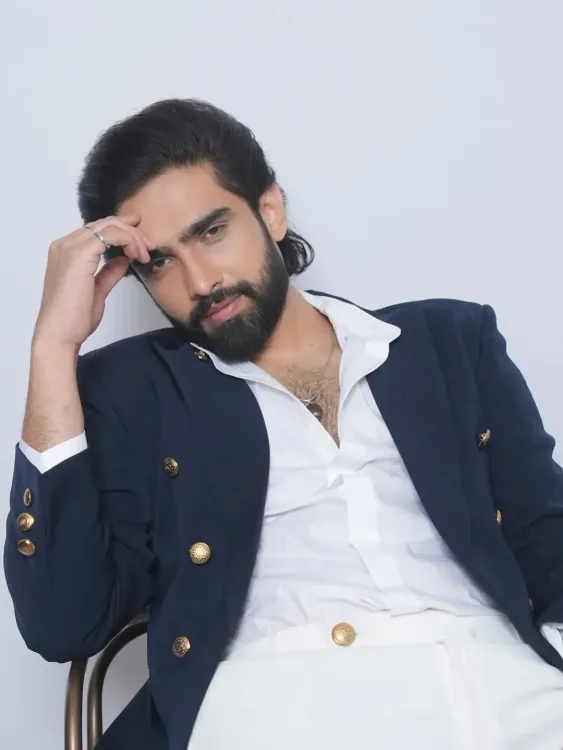
Amaal Mallik pens heartfelt tribute to mentor Pritam: '22 crazy years of unexplainable versatility'
Synopsis
Amaal Mallik's Instagram tribute to Pritam is more than fan service—it's a rare public acknowledgment of how Bollywood's next wave of composers learned their craft. With Pritam commanding over two decades of chart-defining soundtracks, Mallik's homage signals that mentorship in Hindi film music flows through cultural osmosis, not formal training. For an industry obsessed with novelty, this is a reminder that influence moves vertically.
Key Takeaways
Amaal Mallik posted an extended tribute to Pritam on Instagram Stories on 28 April , calling him his generation's idol and creative gateway.
Mallik cited Pritam's 2007 composition "Ami Je Tomar" from Bhool Bhulaiyaa as a formative influence encountered when he was 17 .
Mallik recreated Pritam's "Mere Dholna" as "Mere Dholna 3.0," framing it as a homage to his mentor's mastery.
Pritam has been active in Hindi film music for over 20 years , delivering defining soundtracks including Kalank , which Mallik cited as a personal favourite.
The tribute reflects how mentorship in Bollywood music operates through cultural influence and public admiration rather than formal apprenticeship.
Music composer Amaal Mallik has publicly lauded National Award-winning composer Pritam, calling him an irreplaceable influence on his own creative journey. In an Instagram Stories post on 28 April, Mallik penned an extended note crediting Pritam with shaping how his generation approaches commercial Hindi film music.
Mallik wrote: "Bollywood and the Indian film industry must celebrate you for truly holding fort and tirelessly giving us timeless music over the last 3 decades. My life as a listener was blessed and our journey together as student and teacher in the music world will always be cherished and respected."
A generation's shared debt
The composer highlighted how Pritam has served as a template for peers navigating the balance between simplicity and contemporary sound design. Mallik stated: "All the composers of my generation would be lying if we didn't state that point blank you are our idol, we are all closeted #pritamfans & we learnt how to make simple yet new age music only and only through your world and heart."
From 'Bhool Bhulaiyaa' to 'Kalank'
Mallik traced his fandom to Pritam's 2007 composition "Ami Je Tomar" for Bhool Bhulaiyaa, which he encountered at age 17. He later recreated Pritam's iconic track "Mere Dholna" as "Mere Dholna 3.0," framing the reworking as a homage. Mallik cited Pritam's 2015 album Kalank as a personal favourite, describing it as a touchstone of Pritam's evolving mastery.
Pritam's legacy in Indian cinema
Pritam has anchored the Hindi film music landscape since the early 2000s, delivering chart-defining soundtracks across romance, drama, and action genres. His prolific output—spanning over 20 years—has established him as a foundational voice in contemporary Bollywood scoring. Mallik's public acknowledgment reflects a broader industry recognition of Pritam's structural influence on how modern film composers approach melody, arrangement, and commercial appeal.
The tribute underscores how mentorship in Indian film music often operates through osmosis and public admiration rather than formal apprenticeship—a pattern increasingly visible as younger composers cite their predecessors as creative north stars.
Point of View
This is a rare moment of vertical acknowledgment—younger composer publicly crediting an older master as the template for their own sound. It also exposes a truth the industry prefers to obscure: most of Hindi film music's contemporary playbook was written by Pritam between 2004 and 2015. The 'new age' sound Mallik credits Pritam with teaching is, in fact, Pritam's own innovation. This is mentorship as cultural transmission, not formula.
NationPress
16 Sept 2026
Frequently Asked Questions
What did Amaal Mallik say about Pritam in his Instagram post?
Amaal Mallik called Pritam his generation's idol and creative mentor, crediting him with teaching how to make 'simple yet new age music.' He wrote: 'All the composers of my generation would be lying if we didn't state that point blank you are our idol.' Mallik also praised Pritam's consistency over 20+ years in the film music industry.
Which Pritam composition influenced Amaal Mallik?
Amaal Mallik cited Pritam's 2007 track 'Ami Je Tomar' from Bhool Bhulaiyaa as a formative influence. He encountered it at age 17 and later recreated Pritam's 'Mere Dholna' as 'Mere Dholna 3.0' as a direct homage.
How long has Pritam been composing for Hindi films?
Pritam has been active in Hindi film music for over 20 years, since the early 2000s. He has delivered multiple chart-defining soundtracks and won National Awards for his work.
Why is Amaal Mallik's tribute significant?
The tribute is notable because it publicly acknowledges vertical mentorship in Bollywood music—a younger composer crediting an older master as the blueprint for contemporary sound design. In an industry focused on novelty, this is a rare moment of explicit creative debt.
Which Pritam album did Amaal Mallik cite as a personal favourite?
Amaal Mallik cited Pritam's 2015 album Kalank as his all-time favourite, describing it as a showcase of Pritam's evolving mastery and musical versatility.