Amitabh Bachchan moved by Tom Hanks' WWII documentary, asks if world has truly changed
Synopsis
Amitabh Bachchan's Sunday blog post took an unexpected turn — from a routine fan meet at Jalsa to a sombre reckoning with World War II. Moved by Tom Hanks' narration of the conflict's human toll, Big B asked the question that lingers: 'World War II — the war that changed the world. Has it?'
Key Takeaways
Amitabh Bachchan watched a World War II documentary narrated by Tom Hanks on 22 June and shared his reflections on his personal blog.
The actor was struck by the scale of casualties, noting over 20 million Soviet deaths against approximately 400,000 US military casualties .
Bachchan described the documentary as covering the conflict from the invasion of Poland in 1939 through to the atomic age, focusing on ordinary soldiers and civilians.
He invoked the saying: 'The old men declare war.
But it is the youth that must fight and die.' The post concluded with a pointed, unanswered question: 'World War II… the war that changed the world.
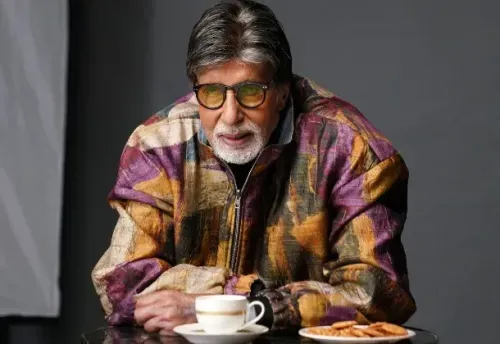
Amitabh Bachchan on Sunday, 22 June revealed that he had spent part of his evening watching a documentary on World War II narrated by Hollywood actor Tom Hanks — and the experience left the veteran actor deeply unsettled. Writing on his personal blog, the megastar reflected on the staggering human cost of the conflict, the futility of war, and whether humanity has genuinely absorbed the lessons of that catastrophe.
What Bachchan Watched and Wrote
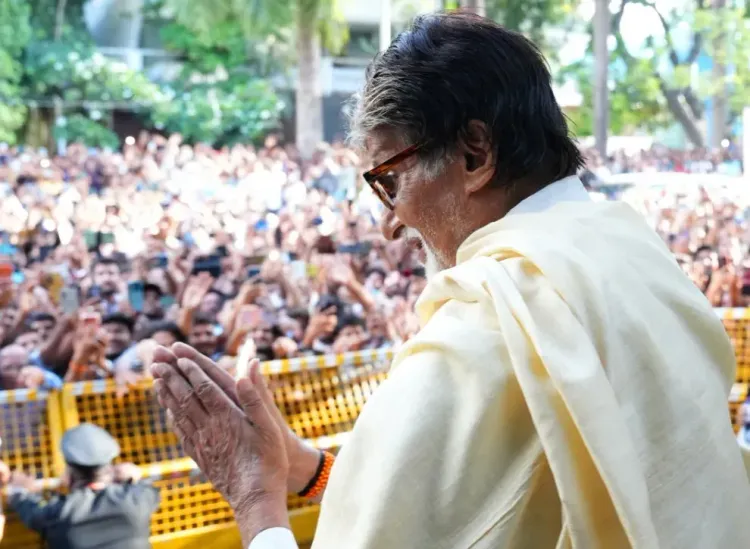
The post came alongside a series of images from his regular Sunday fan meet-up at the gates of his residence, Jalsa, where he also noted that Lord Hanuman's Sahastra Pujan had been performed. He then turned reflective, writing: 'And later spent some time in watching the documentary on World War 2, through the narration of Tom Hanks, and realising the futility of war, of millions of innocent lives lost — for what.. On the whim and fancy ego of one man — often.. to what end..'
Bachchan described how the film traced the conflict from the invasion of Poland in 1939 through to the end of the war and the dawn of the atomic age, with an emphasis not merely on strategy and leadership but on the suffering of ordinary soldiers and civilians — an angle he found particularly affecting.
The Human Cost That Struck Him
The actor highlighted the documentary's stark accounting of casualties, noting that more than 20 million Soviet people were killed in the war, including approximately 10 million soldiers, compared with around 400,000 US military casualties. He also acknowledged the losses suffered by other Allied nations and Axis powers alike.
In his blog, Bachchan wrote: 'Tens of millions died, yet almost every nation involved believed it was acting out of necessity. Cities were destroyed, populations displaced, and entire communities erased. Even the victors suffered enormous losses and trauma.' He called the documentary a 'remarkably complete, humanising portrait of what total war truly costs.'
Reflections on War, Power, and Memory
Bachchan invoked the well-known observation that 'the old men declare war, but it is the youth that must fight and die' — a line he used to underscore the generational burden imposed by conflict. He wrote of the young, newly recruited soldiers: 'the young smiling faces of the newly recruited fighting squads.. an adventure for them for the first time — until reality strikes.'
He also pointed to the uncomfortable aftermath of the war — that while it ended one tyranny, it ushered in new tensions, including the Cold War and the spectre of nuclear weapons. The war, he noted, may sometimes be viewed as unavoidable, but is 'never glorious when viewed from the perspective of those who must endure it.'
Bachchan's Closing Question
The actor ended his reflection with a pointed question that he left deliberately unanswered: 'World War II… the war that changed the world. Has it??' The query, set against the backdrop of ongoing global conflicts, reads as both a personal meditation and a broader challenge to contemporary audiences. Bachchan called the documentary a 'powerful reminder' of what total war truly exacts — and questioned whether those lessons are at risk of being forgotten in a new century.
Point of View
But the question he ends on — 'Has it?' — lands differently in a world where active conflicts continue to claim civilian lives at scale. The fact that a Tom Hanks-narrated documentary can prompt India's most recognisable cultural figure to draw a line between 1939 and today suggests the film is doing something beyond nostalgia. What mainstream coverage of celebrity reactions to war documentaries typically misses is the implicit political charge: when a figure of Bachchan's stature asks whether the world has truly learned from WWII, it is not a rhetorical flourish — it is a provocation aimed squarely at present-day leaders and their choices.
NationPress
20 Sept 2026
Frequently Asked Questions
Which WWII documentary did Amitabh Bachchan watch?
Amitabh Bachchan watched a documentary on World War II narrated by Hollywood actor Tom Hanks. He described it on his blog as covering the conflict from the invasion of Poland in 1939 through the end of the war and the dawn of the atomic age.
What did Amitabh Bachchan write about the documentary?
Bachchan wrote on his personal blog that the documentary made him reflect on the futility of war and the millions of innocent lives lost. He called it a 'remarkably complete, humanising portrait of what total war truly costs' and ended with the question: 'World War II… the war that changed the world. Has it??'
What casualty figures did Bachchan highlight from the documentary?
Bachchan noted that more than 20 million Soviet people were killed in the war, including approximately 10 million soldiers, compared with around 400,000 US military casualties. He also acknowledged losses among other Allied and Axis nations.
Where did Amitabh Bachchan share these reflections?
Bachchan shared his thoughts on his personal blog on 22 June, alongside images from his regular Sunday fan meet-up at the gates of his residence, Jalsa, in Mumbai.
Why is Bachchan's question 'Has it?' significant?
The question — 'World War II… the war that changed the world. Has it??' — reflects Bachchan's concern that the lessons of the war, particularly about the human cost of conflict, risk being forgotten in the current century. He raised it in the context of ongoing global tensions and what he described as the ego-driven decisions of leaders that lead to war.