Royalty Row: Daboo Malik Backs Amaal, Warns of Label vs Artist Gap
Synopsis
Veteran composer Daboo Malik has defended the royalty gap between artists and music labels, saying labels' larger investments justify higher earnings — even as his son Amaal Mallik revealed earning just Rs 1.5 lakh from a viral hit while the label made crores. His rare public comment exposes a deep structural fault line in India's booming music industry.
Key Takeaways
Amaal Mallik earned approximately Rs 1.5 lakh from a viral hit while the music label reportedly made crores from the same song.
Daboo Malik acknowledged the royalty gap but defended labels, citing their significantly higher investments in production, marketing, and distribution.
Daboo runs his own music label , giving him firsthand insight into both the artist's and the label's perspective on royalty structures.
India's Copyright Act, amended in 2012 , guarantees royalty rights to composers and lyricists, but enforcement and contractual awareness remain weak.
India's music streaming market is projected to exceed $400 million by 2026 , making equitable royalty distribution an increasingly urgent issue.
Daboo Malik expressed optimism that royalty distribution will improve in the coming era, signalling growing industry awareness of the imbalance.
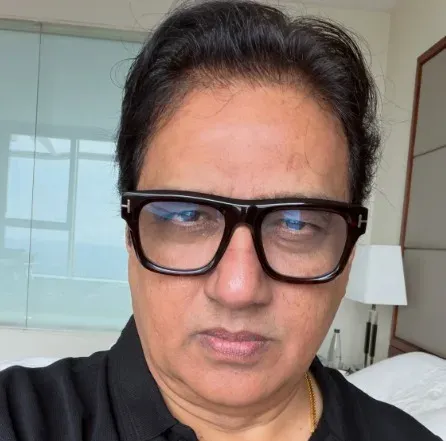
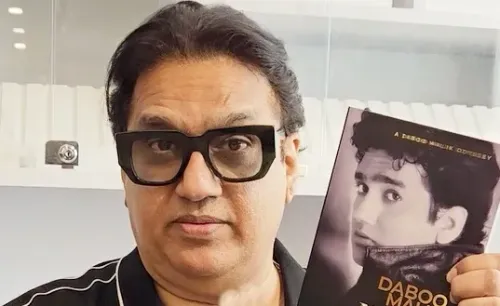
Mumbai, April 27 — Veteran music composer Daboo Malik has weighed in on the growing music royalty debate in India, acknowledging his son Amaal Mallik's concerns about unfair earnings distribution while also defending the structural realities that make parity between artists and music labels difficult to achieve. Speaking exclusively to IANS, Daboo offered a nuanced take that neither dismisses the artist's grievance nor ignores the business complexities of the Indian music industry.
What Sparked the Royalty Debate
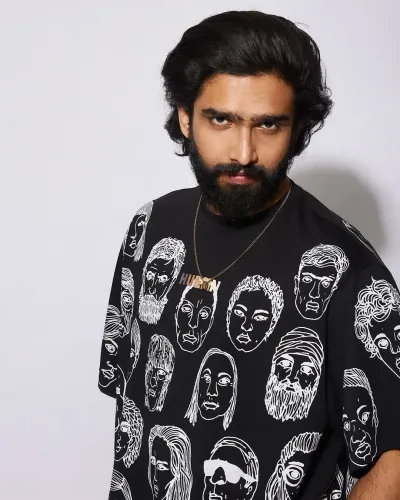
Amaal Mallik, a prominent singer-composer in Bollywood, recently revealed in a public interview that despite composing a viral hit, he earned only approximately Rs 1.5 lakh in royalties — while the music label holding the rights reportedly earned crores of rupees from the same track. The stark contrast drew widespread attention and reignited a long-standing conversation about equitable revenue sharing in the Indian music ecosystem.
Amaal's candid disclosure struck a chord with many independent and mainstream artists who have long felt undercompensated despite contributing the creative core of commercially successful songs. His remarks highlighted a systemic issue that affects thousands of musicians across India.
Daboo Malik's Measured Response
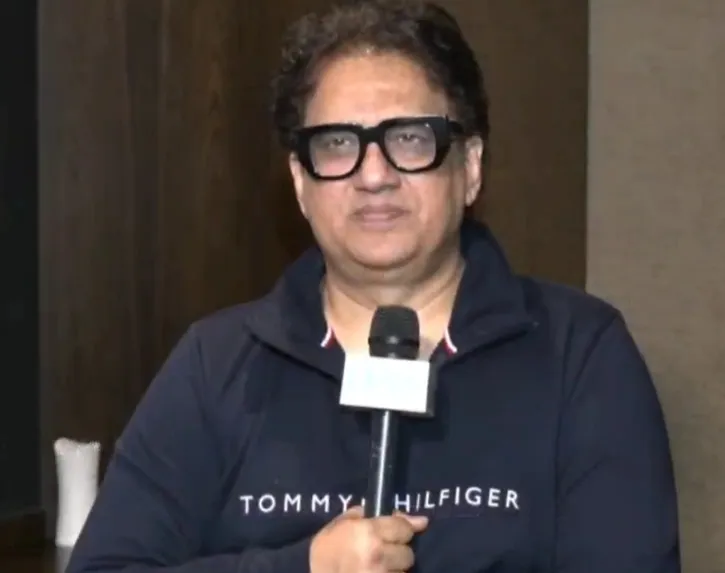
Rather than dismissing his son's frustration, Daboo Malik acknowledged the concern and provided context from both sides of the table. "Today, we also run our own music label, and it's not easy. There are many factors involved," he said. He noted that while international viral success can generate enormous earnings, the Indian music industry operates under a fundamentally different structure.
"If you succeed in independent music today, you are still earning substantial royalties. Artists are making crores through royalties. However, these earnings can never be equal to a music company's revenue because their investment and system are much larger," Daboo explained.
His remarks underscore a critical distinction — the music label's role extends far beyond just distributing a song. Labels invest in production, marketing, distribution infrastructure, licensing negotiations, and digital platform deals, all of which require significant capital outlay before a single rupee of revenue is earned.
The Structural Imbalance in India's Music Industry
The royalty gap between artists and labels is not unique to India. Globally, the debate over music streaming royalties and revenue sharing has intensified with the rise of platforms like Spotify, YouTube Music, Apple Music, and JioSaavn. In India, however, the issue is compounded by the dominance of a few major labels — including T-Series, Sony Music India, and Zee Music Company — that control vast catalogues and hold significant leverage in licensing deals.
According to industry estimates, streaming platforms pay labels a bulk licensing fee, and it is then the label's discretion — guided by contractual agreements — to determine what percentage flows back to the artist. Most artists, especially those without strong bargaining power, sign deals that heavily favour the label, often receiving a flat fee rather than a royalty percentage tied to actual performance.
This is precisely the situation Amaal Mallik described — a song that went viral, generating massive streams and label revenue, while the artist's earnings remained disproportionately low due to the original contract terms.
Is Change on the Horizon?
Despite the current imbalance, Daboo Malik expressed cautious optimism. "In the coming era, everyone will get a better and more equal share of royalties," he said, hinting at an evolving industry landscape. This optimism may be grounded in recent developments — the Indian Performing Right Society (IPRS) has been increasingly active in asserting royalty rights for composers and lyricists, and the Copyright Act of India was amended in 2012 to guarantee royalty rights to authors and composers even after assignment of copyright.
However, enforcement and awareness remain significant challenges. Many artists, particularly those earlier in their careers, are unaware of their rights or lack the legal resources to contest unfavourable contracts. Industry observers argue that stronger regulatory oversight and standardised royalty frameworks — similar to those in the United Kingdom or European Union — could significantly improve conditions for Indian artists.
Broader Implications for Indian Artists
The Amaal Mallik-Daboo Malik conversation is more than a family dialogue — it is a mirror held up to an industry that has long prioritised commercial scale over creative equity. As India's music streaming market continues to grow rapidly, projected to cross $400 million by 2026 according to industry reports, the question of who benefits from this boom becomes increasingly urgent.
Independent artists, lyricists, and session musicians — who often have the least contractual protection — stand to lose the most if structural reforms are not implemented. The conversation sparked by Amaal Mallik could serve as a catalyst for broader industry-wide dialogue, potentially prompting labels, streaming platforms, and regulatory bodies to revisit existing frameworks.
As more artists speak openly about royalty disparities, pressure is likely to mount on music labels to adopt more transparent and equitable revenue-sharing models. The next few months could prove pivotal for how the Indian music industry balances commercial interests with creative rights.
Point of View
Where creative talent is commodified while capital captures the lion's share of returns. Daboo Malik's measured defence of labels is understandable from a business standpoint, but it inadvertently normalises a system where a viral hit can earn a label crores while its creator takes home Rs 1.5 lakh. India's Copyright Act was amended in 2012 precisely to protect artists — yet enforcement remains weak and contractual literacy among musicians is alarmingly low. The real test is whether this public conversation translates into regulatory action or remains just another industry talking point.
NationPress
16 Sept 2026
Frequently Asked Questions
What did Amaal Mallik say about music royalties?
Amaal Mallik revealed that despite composing a viral hit, he earned only around Rs 1.5 lakh in royalties while the music label made crores from the same song. He expressed disappointment at the disproportionate earnings, calling the royalty structure unfair to artists.
What is Daboo Malik's response to Amaal Mallik's royalty concerns?
Daboo Malik acknowledged the concern but explained that music labels invest significantly more in production, marketing, and distribution, which justifies their higher earnings. He also expressed optimism that royalty distribution will become more equitable in the future.
Why do music labels earn more than artists in India?
Music labels in India invest heavily in song production, digital distribution, marketing, and licensing deals, which gives them greater leverage and a larger share of revenue. Most artist contracts involve flat fees rather than performance-linked royalties, leaving artists with a smaller cut even when songs go viral.
What are the royalty rights of music artists under Indian law?
Under the Copyright Act of India, amended in 2012, composers and lyricists are entitled to royalties even after assigning their copyright to a label. However, enforcement remains a challenge, and many artists lack awareness or legal resources to claim their full rights.
Is the music royalty gap between artists and labels a global issue?
Yes, the disparity between artist earnings and label revenue is a global debate, intensified by the rise of music streaming platforms like Spotify, YouTube Music, and Apple Music. Countries like the UK and EU have implemented stronger royalty frameworks, which India is yet to match in terms of enforcement and standardisation.