Elizabeth Banks Slams Sexism: 'Told I Can't Direct Men' — Then Proved Them Wrong
Synopsis
Elizabeth Banks revealed she was told 'you can't direct men' as a female director — then went on to direct Hollywood legend Ray Liotta in Cocaine Bear. Now promoting her new series The Miniature Wife, Banks is using her platform to call out systemic gender bias in Hollywood's director's chair.
Key Takeaways
Elizabeth Banks publicly revealed she was told 'You can't direct men' by unnamed industry figures, exposing gender bias in Hollywood's directing landscape.
She cited her direction of the late Ray Liotta — iconic star of Goodfellas — in the 2023 film Cocaine Bear as her definitive rebuttal to this claim.
Banks called for more female representation behind the camera, describing the club of women directors as 'really small' and in urgent need of growth.
Her new series The Miniature Wife explores the theme of feeling professionally and personally diminished, mirroring her own real-world experiences in Hollywood.
Banks' directing portfolio includes Charlie's Angels , Pitch Perfect 2 , Cocaine Bear , and a segment in Movie 43 — all featuring significant male talent.
The remarks connect to a broader, industry-wide pattern documented by organisations like the Annenberg Inclusion Initiative , highlighting persistent gender gaps in film direction.
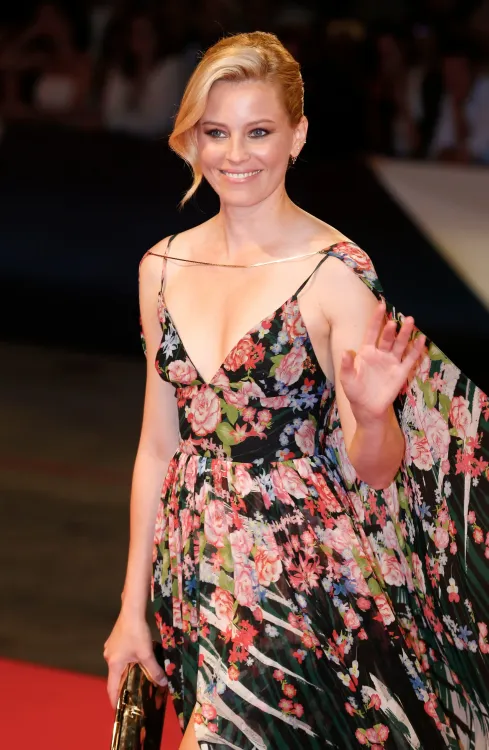
Los Angeles, April 24 — Acclaimed filmmaker and actress Elizabeth Banks has openly confronted the deep-rooted misogyny she encountered as a female director in Hollywood, revealing she was explicitly told that she was incapable of directing male actors. Speaking on The Kelly Clarkson Show, Banks cited her collaboration with the late Ray Liotta on the 2023 dark comedy horror film Cocaine Bear as definitive proof that such bias was unfounded.
The Shocking Remark That Fuelled Her Resolve
Banks recounted the blunt dismissal she faced from unnamed industry figures, stating, "I was literally told because I direct films that, 'You can't direct men. They won't follow you.'" The comment, far from discouraging her, appears to have strengthened her determination to succeed on her own terms.
She went on to highlight her work with Ray Liotta — the legendary actor best known for portraying Henry Hill in the iconic crime drama Goodfellas — as her most pointed rebuttal. "And then I directed Ray Liotta, who played Henry Hill in Goodfellas, and I think I nailed it. Check the list off. It's all good," she said with characteristic confidence.
A Small Club That Needs to Grow
Banks acknowledged that while she is proud to be among the select group of women directing major Hollywood productions, the club remains frustratingly small. "Despite me knowing that I'm in a great club, it's a really small club, and it needs more representation," she said.
She called for a broader shift in the industry, emphasising the need for diverse storytellers and wider audiences. "We need more storytellers from different perspectives, angles. And we need more audiences to watch. … I'm having a lot of fun making sure that women have a real sense of agency in whatever they're doing, whatever stories I'm telling," she added.
This statement carries significant weight in the context of ongoing conversations about gender parity in Hollywood. According to multiple industry reports, women directed only a fraction of the top-grossing films in any given year, underscoring the systemic barriers Banks is speaking against.
The Miniature Wife: Art Imitating Life
Banks made these remarks while promoting her new series The Miniature Wife, in which she plays a writer who is literally shrunk to six inches by her scientist husband — a metaphor that resonates deeply with her real-world experiences of feeling professionally diminished.
"It's a very funny show, but what I really was drawn to was, we get to sort of talk about a big feeling, which is feeling diminished by a partner," she explained, according to deadline.com.
She elaborated further: "Or in your professional life, in your romantic life, I think we all have that relatable experience of being made to feel small every once in a while. And in this case, it's literal and physical, and we get to sort of look at that from an absurdist lens, but talk about some big issues that I think people understand."
A Directorial Career That Speaks for Itself
Beyond Cocaine Bear, Banks has built a substantial directing portfolio that directly challenges the narrative that women cannot helm major productions. Her credits include the 2019 reboot of Charlie's Angels, the blockbuster sequel Pitch Perfect 2, and a segment in the anthology film Movie 43.
Each of these projects featured large casts including prominent male actors, making the original criticism she received even more starkly absurd in retrospect. Her body of work stands as a practical, commercial counter-argument to gender-based gatekeeping in the film industry.
This is not an isolated experience — numerous female directors including Patty Jenkins, Ava DuVernay, and Greta Gerwig have spoken about similar biases, suggesting a systemic pattern rather than individual incidents. The conversation Banks is amplifying feeds into a broader, industry-wide reckoning about who gets to tell stories and on what terms.
What This Means for Women in Hollywood
The remarks by Banks arrive at a time when Hollywood is under increasing pressure to address gender disparities both in front of and behind the camera. Advocacy groups and data from organisations like the Annenberg Inclusion Initiative have consistently highlighted the underrepresentation of women directors in mainstream cinema.
By speaking out publicly, Banks adds her voice to a growing chorus demanding structural change — not just token representation. As The Miniature Wife prepares to reach audiences, her dual role as both creator and subject of a story about being made to feel small may well amplify the cultural conversation she is clearly eager to lead.
With the series set to debut and her public advocacy gaining traction, audiences and industry insiders alike will be watching closely to see how Banks continues to reshape the narrative around women in Hollywood's director's chair.
Point of View
Commercially successful director still faced such dismissal exposes how deeply gender bias is embedded in the industry's decision-making culture, not just its optics. What's telling is that Banks had to use a deceased actor's legacy as evidence to validate her own competence — a burden male directors are never asked to bear. Until the industry stops treating women directors as exceptions that need to justify themselves, representation will remain a talking point rather than a reality.
NationPress
16 Sept 2026
Frequently Asked Questions
What did Elizabeth Banks say about being told she can't direct men?
Elizabeth Banks revealed on The Kelly Clarkson Show that she was explicitly told, 'You can't direct men. They won't follow you.' She countered this by pointing to her successful direction of the late Ray Liotta in the 2023 film Cocaine Bear as proof the claim was baseless.
Which films has Elizabeth Banks directed?
Elizabeth Banks has directed Cocaine Bear (2023), Charlie's Angels (2019), Pitch Perfect 2 (2015), and a segment in Movie 43. Her portfolio includes large ensemble casts with prominent male actors, directly contradicting the bias she faced.
What is Elizabeth Banks' new series The Miniature Wife about?
The Miniature Wife is a new series in which Banks plays a writer whose scientist husband accidentally shrinks her to six inches tall. The show uses this absurdist premise to explore the real feeling of being diminished or made to feel small in personal and professional relationships.
Why is gender bias against women directors still a problem in Hollywood?
Despite progress, women directors remain significantly underrepresented in mainstream Hollywood productions, according to industry research including reports by the Annenberg Inclusion Initiative. Systemic biases — like the assumption that women cannot command male actors — continue to limit opportunities for female filmmakers.
Who was Ray Liotta and why is his mention significant in Elizabeth Banks' story?
Ray Liotta was a celebrated Hollywood actor best known for playing Henry Hill in the 1990 classic Goodfellas, who passed away in 2022. Banks citing her successful collaboration with him in Cocaine Bear was a deliberate, pointed rebuttal to the claim that men would not follow a female director.