Gene Simmons regrets not staging intervention for late KISS guitarist Ace Frehley decades ago

Synopsis
Gene Simmons has publicly acknowledged one of rock's untold stories: the cost of inaction. The KISS bassist confessed that he should have staged an intervention for Ace Frehley decades earlier, when addiction was taking hold during the band's peak. It's a rare moment of accountability from a rock icon, and a sobering reminder that fame's dark side often goes unaddressed until it's too late.
Key Takeaways
Gene Simmons , 76, expressed regret over not staging an intervention for late KISS guitarist Ace Frehley , who died in 2024 at age 74.
Simmons revealed on the Inside Of You With Michael Rosenbaum podcast that he should have acted "decades ago" when Frehley's addiction issues surfaced.
Frehley left KISS multiple times over 50 years, departing permanently in 2002, struggling with substance abuse throughout the band's rise to fame.
Simmons acknowledged that the band collectively chose to downplay Frehley's struggles publicly, calling the decision "stupid and shameful." Both Frehley and original drummer Peter Criss cycled in and out of the band three separate times, confusing fans.
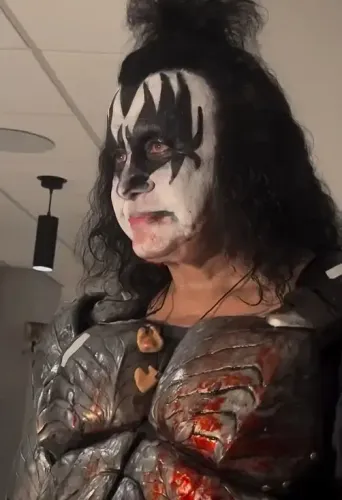
Gene Simmons, the 76-year-old bassist and co-founder of legendary rock band KISS, has expressed deep regret over missed opportunities to help his former bandmate Ace Frehley, who died in 2024 at age 74. Speaking on the Inside Of You With Michael Rosenbaum podcast, Simmons revealed that he should have staged an intervention "decades ago" when Frehley was battling addiction issues during the height of the band's fame.
What Simmons said about the intervention
"I should have, and could have, but I should have, a long time ago, when you see the disease starting to get ahold of him, I should have, decades ago, took him aside, it's called an intervention, and forced him to understand he's not just hurting himself by his lifestyle choices, but his family, his child and the fans," Simmons said on the podcast. He acknowledged that the band's decision to downplay Frehley's struggles in public was a collective failure, admitting, "It was a stupid and shameful decision on all our parts, I know mine too."
The toll of fame on band members
Simmons reflected on how success and wealth affected Frehley and fellow original drummer Peter Criss differently than it affected him. He noted that Frehley, who left KISS multiple times over five decades before departing permanently in 2002, turned to "beverages and chemicals" as a coping mechanism. "Early on, he wouldn't show up. He'd be late and all this stuff," Simmons recalled, describing the pattern of absences and unreliability that plagued the band during its commercial peak.
A 50-year cycle of departures and returns
Simmons emphasised that Frehley's struggles were not unique within KISS, describing a repeated cycle of departures and returns that confused fans. "It's been up and down for 50 years with Ace. If you would've met Ace at the beginning of KISS, God bless him, you would've fallen in love with the idea, who he is and all that," he said. Both Frehley and Criss cycled in and out of the band three separate times, creating instability that Simmons acknowledged the fanbase "just couldn't understand."
Respecting the legacy despite the pain
Despite his regrets, Simmons emphasised that Frehley will always be respected as a talented and irreplaceable guitarist whose contributions to KISS shaped the band's identity. Simmons also acknowledged that fame's dark effects were not limited to Frehley, noting that the influx of money and celebrity status affected multiple band members in different ways. The candid reflection underscores the human cost of rock stardom and the challenges of supporting bandmates through addiction while maintaining a public image.
Point of View
But it cuts to the heart of rock's dirty secret: enablement dressed as loyalty. The band's choice to 'make believe he's in the band and everything's okay at home' wasn't protecting the fans — it was protecting the brand. Addiction in the spotlight rarely gets addressed until the spotlight dims. Frehley's repeated departures and returns were not mysteries; they were distress signals the industry chose to ignore. The question now is whether other bands will learn from KISS's decades of inaction, or whether rock will continue to treat its casualties as collateral damage.
NationPress
19 Sept 2026
Frequently Asked Questions
What did Gene Simmons say about Ace Frehley's death?
Gene Simmons expressed deep regret over not staging an intervention for Ace Frehley decades earlier when addiction issues began. Frehley died in 2024 at age 74 after a long battle with substance abuse that plagued his time in KISS.
When did Ace Frehley leave KISS permanently?
Ace Frehley left KISS for good in 2002, though he had departed and returned to the band three separate times over the course of 50 years due to his ongoing addiction struggles.
What did Gene Simmons reveal about the band's handling of Frehley's addiction?
Simmons admitted that KISS collectively chose to downplay Frehley's addiction in public, deciding to 'make believe he's in the band and everything's okay at home' rather than staging an intervention. He called this decision 'stupid and shameful.'
Which other KISS member struggled with similar issues?
Original drummer Peter Criss also cycled in and out of the band three separate times, though Simmons indicated that Criss's struggles were somewhat different. Both members' repeated departures confused fans and destabilized the band during its peak years.