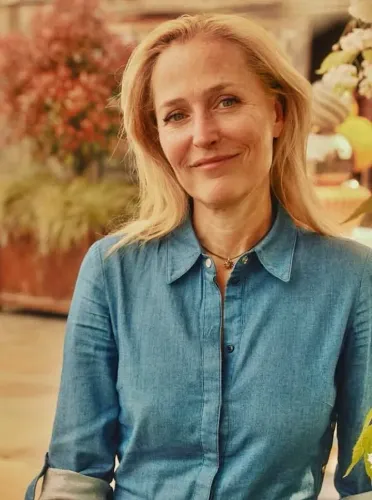
Gillian Anderson on ageing: How she silenced years of self-judgment
Synopsis
Gillian Anderson admits she wasted years trapped in self-critical inner noise about ageing — and says breaking free required real, deliberate effort, not just time. The revelation comes as she prepares to release More, her second anthology of women's anonymous fantasies, which she says arrived bolder and more confident than the first.
Key Takeaways
Gillian Anderson , 57 , told Harper's Bazaar she spent her 20s and 30s consumed by self-judgment and inner agitation about ageing.
She described the shift as the result of deliberate personal work, not simply the passage of time.
Anderson says negative feelings about herself 'don't exist' anymore, and she finds it easier to 'shrug things off and let things be.' Her second book, More , a follow-up to Want , is due in September and collects anonymous fantasies from a broader, more international group of women.
Submissions for More felt 'more confident' and 'bolder,' Anderson said, crediting the community that formed around the first book.
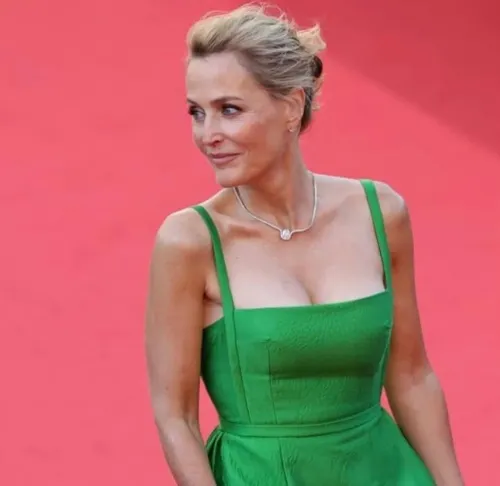
Hollywood actress Gillian Anderson has opened up about spending decades trapped in a cycle of self-criticism over ageing — and the deliberate work it took to break free. In a candid interview with Harper's Bazaar magazine, the 57-year-old actress described how relentless inner noise and self-judgment dominated much of her younger years, and how she has since found a quieter, more accepting relationship with herself.
Years of Inner Noise
Anderson recalled that her 20s and 30s were marked by a constant undercurrent of anxiety. 'I remember in my 20s and 30s feeling worried all the time, and it felt like I had a running intensity, almost like a running agitation in my head. Like an argument, constant conversations going on in my head the whole time, and just a lot of noise, and also self-judgment,' she said.
She added that she 'spent many, many years being very self-judgmental and negative' about herself, acknowledging she wasted 'a lot of hours and a lot of time' in that headspace. The admission is striking from an actress who has spent over three decades in the public eye, navigating the industry's well-documented scrutiny of women's appearances and age.
The Shift — And the Work Behind It
Anderson was clear that the transformation was not simply a byproduct of getting older. 'It's taken some work, as it's not just age that has put it in the rearview mirror, I've definitely worked at it,' she said. Today, she describes those negative feelings as no longer existing. 'Nothing matters so much anymore. I don't feel like I hold on to things so tightly. It's much easier to just shrug things off and let things be,' she explained.
This comes amid a broader cultural conversation about how women in the public eye experience ageing — and the growing number of prominent voices pushing back against the pressure to remain perpetually youthful. Anderson's candour adds a grounded, personal dimension to that discourse.
New Book 'More' Due in September
Anderson is also preparing to release her second book, More, due in September, a follow-up to her debut Want. Like its predecessor, the new volume collects anonymous fantasies submitted by women. 'It's similar in what the original ask was, asking women to submit their anonymous fantasies. It's the same ask, different women, and a much broader scope of submissions, more international,' she said, noting she is 'very pleased' with the result.
Anderson observed that the submissions for More felt notably 'more confident' and 'bolder' than those for the first book. She attributed this shift to the community that formed around Want after its release, driven in part by women journalists who 'really kind of took it upon themselves to champion it,' turning it into a cultural talking point.
On Community and the Sense of Being Seen
Reflecting on what readers took from Want, Anderson described how the act of submitting — or simply reading — someone else's fantasy offered a sense of recognition and relief. 'That they weren't the only one who had these thoughts or feelings, or beliefs, or fears. It really is a coming together in a way, and it has a tendency to bring women of all ages together, not just in conversation but in identification, and a sense of agency,' she said.
With More set to reach a wider international audience, Anderson appears to be building on that foundation — extending the conversation she started and, in parallel, continuing to model a more compassionate relationship with oneself as one ages.
Point of View
Not luck. In an industry that routinely erases women past a certain age, her framing of inner work as something requiring sustained effort cuts against the passive 'ageing gracefully' narrative. The timing is also deliberate: a second book on women's inner lives, arriving with a broader international reach, positions Anderson as a consistent voice on female interiority rather than a one-off provocateur. Whether mainstream coverage will engage with the substance of that project — or reduce it to a headline about a famous woman feeling better about getting older — remains the more telling question.
NationPress
21 Oct 2026
Frequently Asked Questions
What did Gillian Anderson say about ageing and self-judgment?
Anderson told Harper's Bazaar that she spent her 20s and 30s in a state of constant self-criticism and inner noise about ageing, describing it as 'a running agitation' in her head. She said she has since worked deliberately to move past those feelings, and that the negativity no longer exists for her.
How did Gillian Anderson overcome her negative feelings about ageing?
Anderson said the shift required active personal work rather than simply growing older. She described no longer holding on to things tightly and finding it easier to 'shrug things off and let things be.'
What is Gillian Anderson's new book More about?
More is a follow-up to her debut anthology Want, collecting anonymous fantasies submitted by women. Anderson says the new volume has a broader, more international scope, and that the submissions feel more confident and bolder than those in the first book. It is due for release in September.
How is More different from Gillian Anderson's first book Want?
While the format is the same — anonymous fantasy submissions from women — Anderson says More draws from a wider, more international pool of contributors. She attributes the bolder tone of submissions to the community and open conversation that formed around Want after its release.
Why did women feel more confident submitting to More than to Want?
Anderson suggested that the success of Want and the public discussion it generated — particularly among women journalists who championed it — built a sense of community and trust. Contributors to More were reportedly less anxious about anonymity and more willing to share openly.