Kangana Ranaut backs millennials as 'most intelligent generation' in Gen Z debate
Synopsis
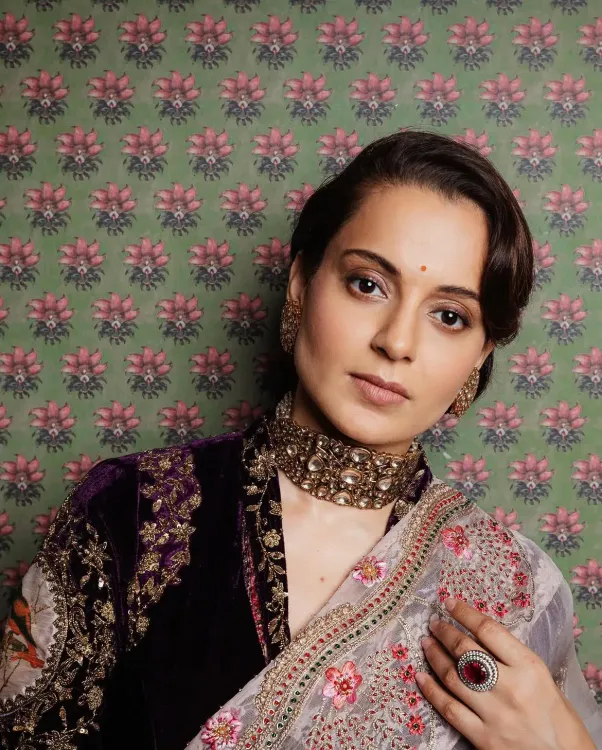
Kangana Ranaut stepped into the Gen Z versus millennials debate by sharing a clip of social psychologist Jonathan Haidt arguing millennials are the most intelligent generation in history — and adding a pointed 'ahem ahem' of agreement. The post arrives weeks after her 'Generation Gutter' remark about Jantar Mantar protesters made national headlines, giving her latest take an unmistakable subtext.
Key Takeaways
Kangana Ranaut shared a clip from the podcast 'The Exchange' on her Instagram stories on 3 September .
The clip features social psychologist Jonathan Haidt describing millennials as the 'most intelligent generation in history.' Haidt argues that political experiences between ages 16 and 24 shape a person's worldview for life, and that millennials were the last generation before social media transformed youth development.
Ranaut captioned the post humorously, signalling agreement with Haidt's assessment of millennials over Gen Z .
The post follows her earlier controversy over calling some Jantar Mantar protesters 'Generation Gutter,' for which she later issued a clarification.
Actress and Bharatiya Janata Party (BJP) Member of Parliament Kangana Ranaut on 3 September shared a video clip on her Instagram stories, wading into the ongoing generational debate between Gen Z and millennials. The clip, drawn from an episode of the podcast 'The Exchange', features social psychologist Jonathan Haidt and commentator Oli Dugmore discussing the influence of social media, technology, and political experiences on different generations.
What Kangana Said
Sharing the video, Ranaut added a humorous caption that signalled her agreement with Haidt's assessment of millennials. She wrote, 'Even though Gen Z is the flavour of the season, but according to surveys, millennials remain the most intelligent generation ever. Ahem ahem, the host was like keep going.' The playful remark drew attention to the contrast between the cultural dominance of Gen Z and what Haidt describes as the intellectual peak of the millennial cohort.
What Jonathan Haidt Argued
In the clip, Haidt argued that political experiences during a person's formative years — roughly between the ages of 16 and 24 — shape their worldview for life. He described millennials as a 'fascinating generation' and characterised them as the last cohort to come of age before the internet and social media fundamentally transformed young people's social and cognitive environments. 'Your generation is the most intelligent in history,' Haidt said, adding that measured intelligence levels had been rising steadily until the millennial generation, after which the trend reportedly plateaued or reversed.
Context: Kangana's Earlier Gen Z Controversy
The post comes weeks after Ranaut found herself at the centre of a controversy over remarks she made about Gen Z during student protests at Jantar Mantar in New Delhi. She had referred to some of the young protesters as 'Generation Gutter' and alleged they were influenced by Western ideologies — comments that drew sharp criticism across political lines.
Ranaut subsequently issued a clarification, arguing her remarks had been misrepresented. Sharing a video featuring a Congress leader's response, she said, 'A Congress leader said that I have called the youth of the whole country as gutter cchaaps. The youth of the whole country, if you only talk about Gen Z then their population is going to be around 30-35 crores, and the Jantar Mantar, there were only about 10,000 people gathered there, out of which more than half were people like Shabana Azmi, you saw all types of age groups were roaming.'
She further added, 'I specifically talked about the generation that was gathered here. I am giving you an open challenge, tell me a specific quote of mine, in which I have included the whole generation. I cannot be a youth opponent, because I am a youth myself, and not a 55-60 year old youth like Rahul Gandhi.'
The Broader Generational Debate
Ranaut's latest post reflects a wider cultural conversation gaining traction globally — and increasingly in India — about how different generations process information, engage with politics, and relate to technology. Haidt, whose research on social media's impact on adolescent mental health has attracted significant international attention, has argued that the smartphone era reshaped the cognitive and social development of those who grew up entirely within it. Notably, this is not the first time a public figure in India has used Haidt's work to frame domestic generational or political arguments.
Whether Ranaut's post is read as a lighthearted generational quip or a continuation of her commentary on youth politics, it has reignited discussion about the contrasting experiences of millennials and Gen Z in India's rapidly evolving digital and political landscape.
Point of View
All under the cover of sharing someone else's research. Haidt's thesis is legitimate academic work, but selectively amplifying it in the wake of a 'Generation Gutter' controversy is a calculated reframe, not a neutral cultural observation. What mainstream coverage misses is that this is less about generational intelligence and more about how a sitting MP is managing the political fallout from remarks that drew cross-party condemnation. The real question is whether this kind of celebrity-politician framing — using viral intellectual content as a shield — is becoming a standard playbook in Indian political communication.
NationPress
3 Sept 2026
Frequently Asked Questions
What did Kangana Ranaut post about millennials and Gen Z?
Kangana Ranaut shared a video clip on her Instagram stories on 3 September featuring social psychologist Jonathan Haidt arguing that millennials are the most intelligent generation in history. She added a humorous caption agreeing with the observation and contrasting it with Gen Z's current cultural dominance.
Who is Jonathan Haidt and what did he say?
Jonathan Haidt is an American social psychologist known for his research on social media's impact on youth mental health. In the clip Ranaut shared, he described millennials as the last generation before social media transformed youth development and claimed that measured intelligence levels had been rising until the millennial cohort.
What was Kangana Ranaut's earlier Gen Z controversy?
Ranaut sparked controversy after referring to some young protesters at Jantar Mantar in New Delhi as 'Generation Gutter' and alleging they were influenced by Western ideas. She later clarified that her remarks were directed at a specific group of approximately 2,000 people at the protest, not the entire Gen Z population of India.
How did Kangana Ranaut respond to criticism over her Gen Z remarks?
Ranaut issued a clarification stating her words were misconstrued, arguing that with Gen Z numbering around 30-35 crore in India, the roughly 10,000 people at Jantar Mantar could not represent the entire generation. She challenged critics to cite a specific quote where she had included all of Gen Z.
What is the broader significance of the Gen Z versus millennials debate in India?
The debate reflects a wider global conversation about how different generations engage with technology, politics, and information. In India, it has gained added political weight given Ranaut's dual role as a film personality and a sitting BJP MP, making her generational commentary carry both cultural and political implications.