Lisa Kudrow Exposes 'Mean' Writers' Room Culture on Friends Set

Synopsis
Lisa Kudrow has broken her silence on the toxic culture inside Friends' writers' room, revealing verbal abuse targeting actors and explicit sexual discussions about Jennifer Aniston and Courteney Cox. Her account echoes the failed harassment lawsuit by assistant Amaani Lyle, reigniting debate about Hollywood's systemic workplace misconduct during the show's iconic run.
Key Takeaways
Lisa Kudrow , 62 , has publicly criticised the "mean" behaviour of the predominantly male writing team on 'Friends' , revealing verbal abuse directed at actors who flubbed lines.
Writers allegedly made explicit sexual comments about co-stars Jennifer Aniston and Courteney Cox during late-night writing sessions, sometimes lasting until 3am .
Kudrow referenced the Amaani Lyle sexual harassment lawsuit, in which the writers' assistant alleged she was forced to transcribe graphic sexual discussions about the female cast members.
The California Supreme Court ruled in 2006 that the writers' conduct did not constitute actionable harassment against Lyle, a decision widely criticised by workplace rights advocates.
Kudrow credits her 1995 marriage to Michel Stern , an advertising executive outside the entertainment industry, for shielding her from the intense media scrutiny faced by co-stars Aniston and Cox.
The revelations add a significant new dimension to the legacy of 'Friends' , which aired from 1994 to 2004 and remains one of the most-streamed television series in the world.
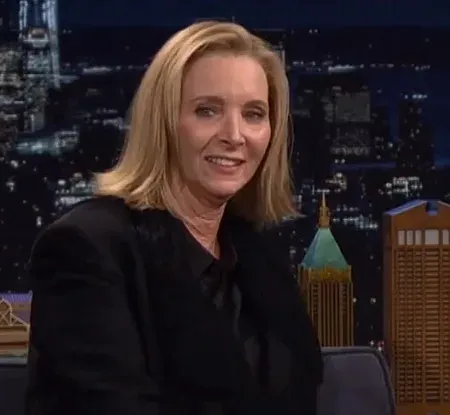
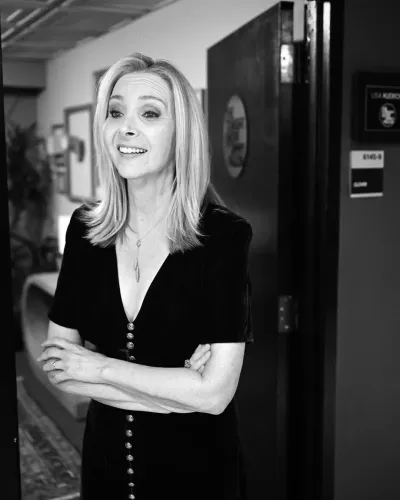
Lisa Kudrow, the 62-year-old Hollywood actress best known for portraying Phoebe Buffay on the globally beloved sitcom 'Friends', has spoken candidly about the toxic and "mean" culture that existed behind the scenes of the show, particularly among its predominantly male writing staff. Speaking to The Times magazine, Kudrow revealed that verbal abuse and explicit sexual discussions were disturbingly common occurrences during the show's production years.
What Kudrow Said About the Writers' Behaviour
Kudrow did not mince words when describing the hostile atmosphere that actors faced from writers during filming. The sitcom was recorded before a live studio audience of 400 people, and any mistake by an actor could trigger a vicious reaction from the writing team.
"There was definitely mean stuff going on behind the scenes," Kudrow told The Times. "If you messed up one of these writers' lines or it didn't get the perfect response, they could be like, 'Can't the b f*ing read? She's not even trying. She f*** up my line.'"
The actress acknowledged the pressure the writers were under — often working until 3am to perfect scripts — but made clear that the hostile language directed at performers was unacceptable regardless of circumstance.
Sexual Harassment Allegations and the Amaani Lyle Case
Kudrow also referenced the widely reported legal case involving Amaani Lyle, a former writers' assistant who filed a sexual harassment lawsuit against the show's production. Lyle alleged that the writers — whose creative brainstorming sessions she was responsible for transcribing — openly discussed sexual fantasies involving cast members, including Jennifer Aniston and Courteney Cox.
According to Female First UK, Lyle's lawsuit claimed the writers engaged in discussions about sleeping with the actresses, simulated masturbation, and receiving oral sex. Though Lyle's legal action was ultimately unsuccessful, the case drew significant public attention to the working environment on one of television's most successful shows.
Kudrow confirmed the substance of those discussions: "We know that back in the room the guys would be up late discussing their sexual fantasies about Jennifer and Courteney. It was intense. Oh, it could be brutal."
How Kudrow Shielded Herself From the Scrutiny
Unlike her co-stars Jennifer Aniston and Courteney Cox, whose personal lives were relentlessly dissected by the media throughout the 1990s and 2000s, Kudrow managed to stay largely out of the tabloid spotlight. She attributes this to her early marriage to advertising executive Michel Stern in 1995 — just months before 'Friends' premiered on NBC.
"For sure, and all because I married early and outside the business. No one was interested. There was no story," she explained. The couple have a 27-year-old son named Julian together.
Kudrow also credited her grounded home life for keeping her perspective intact during the show's massive cultural run. "Very early on I was pretty clear — actors on a big show are well paid and really looked after. But you cannot take that attitude home with you. At home it's family, life, kids," she said.
The Broader Pattern: Hollywood's Toxic Writers' Rooms
Kudrow's revelations are far from isolated. Her account fits into a well-documented pattern of workplace misconduct in Hollywood writers' rooms, which came under intense scrutiny during the #MeToo movement that gained global momentum in 2017. Numerous showrunners and writers across major productions have since faced allegations of creating hostile, sexually charged work environments.
Notably, the Amaani Lyle case against Friends producers was decided by the California Supreme Court in 2006, which ruled that the writers' sexual commentary — while offensive — did not constitute actionable harassment against Lyle because it was not directed at her personally. Critics argued the ruling set a troubling precedent for creative industry workplaces.
The fact that a show as culturally celebrated as 'Friends' — which aired from 1994 to 2004 and continues to draw massive streaming audiences globally — harboured such an environment raises important questions about how the entertainment industry has historically protected powerful creative voices at the expense of performers and support staff.
What This Means for Friends' Legacy and Industry Accountability
Kudrow's candid interview arrives at a moment when Hollywood is actively re-evaluating the working conditions that defined the so-called "golden age" of television. Streaming platforms and studios are increasingly under pressure to enforce robust anti-harassment protocols in writers' rooms.
For 'Friends' — a show that continues to generate hundreds of millions of dollars annually through syndication and streaming deals — these revelations add a complex layer to its enduring legacy. As the entertainment industry continues its reckoning with past misconduct, more accounts from this era are expected to surface in the coming months.
Point of View
Humour, and aspiration — yet its writers' room apparently operated like an unchecked boys' club where women, whether on screen or off, were reduced to objects of ridicule or fantasy. The failure of Amaani Lyle's lawsuit in 2006 wasn't just a legal defeat — it was a systemic signal that Hollywood's power structures would protect creative output over human dignity. As the industry continues its post-#MeToo reckoning, Kudrow's willingness to name the culture — if not all the individuals — is significant, and it demands a harder look at how entertainment platforms and studios have historically monetised content while ignoring the conditions under which it was made.
NationPress
20 Sept 2026
Frequently Asked Questions
What did Lisa Kudrow say about the Friends writers' room?
Lisa Kudrow revealed that the mostly male writing team on 'Friends' engaged in verbal abuse toward actors who made mistakes and held explicit sexual discussions about co-stars Jennifer Aniston and Courteney Cox. She described the atmosphere as 'intense' and at times 'brutal', speaking to The Times magazine.
Who is Amaani Lyle and what was her lawsuit about?
Amaani Lyle was a writers' assistant on 'Friends' who filed a sexual harassment lawsuit alleging that writers openly discussed sexual fantasies involving cast members, including Jennifer Aniston and Courteney Cox, during sessions she was tasked with transcribing. The California Supreme Court dismissed her case in 2006, ruling the conduct was not directed at her personally.
Why was Lisa Kudrow less targeted by media than her co-stars?
Kudrow attributes her lower media profile to her 1995 marriage to advertising executive Michel Stern, who was outside the entertainment industry. She told The Times that because she married early and had a stable family life, there was 'no story' for tabloids to pursue.
How long did Friends run and why does it still matter?
'Friends' aired on NBC from 1994 to 2004 across ten seasons and remains one of the most-watched sitcoms in television history. It continues to generate massive streaming revenue globally, making revelations about its production environment a matter of significant public and industry interest.
How do Kudrow's revelations connect to the broader #MeToo movement?
Kudrow's account aligns with a well-documented pattern of toxic workplace behaviour in Hollywood writers' rooms that came under global scrutiny during the #MeToo movement from 2017 onwards. Her statements reignite calls for stronger anti-harassment protocols in creative industry workplaces, particularly in high-pressure television production environments.