Mahesh Bhatt backed Pooja's voice in 'Daddy' despite dubbing pressure
Synopsis
When producers wanted to dub Pooja Bhatt's voice in Daddy, her father and director Mahesh Bhatt drew a line: accept her authenticity or reject her entirely. The moment became a turning point, giving Pooja not just her voice but the freedom to build a career on her own terms—a rare victory for artistic integrity over commercial pressure in 1980s Hindi cinema.
Key Takeaways
Mahesh Bhatt rejected industry pressure to dub Pooja Bhatt's voice in the film Daddy .
Producers wanted a more conventionally feminine voice; Mahesh refused, stating she should be accepted or rejected as she is.
Pooja credits her father with giving her voice "in more ways than one." Pooja initially felt insecure about her non-conventional vocal tone but has reframed anxiety as essential to her craft.
The incident will be featured in an upcoming Indian Idol episode.
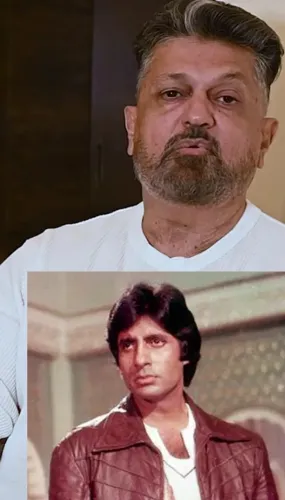
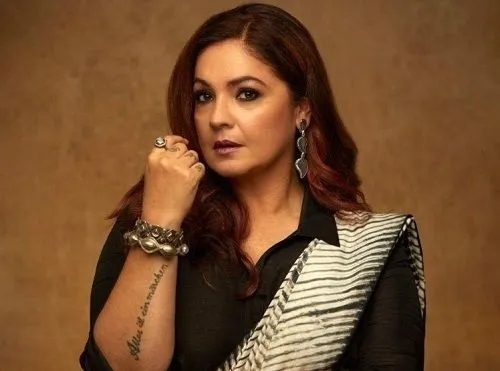
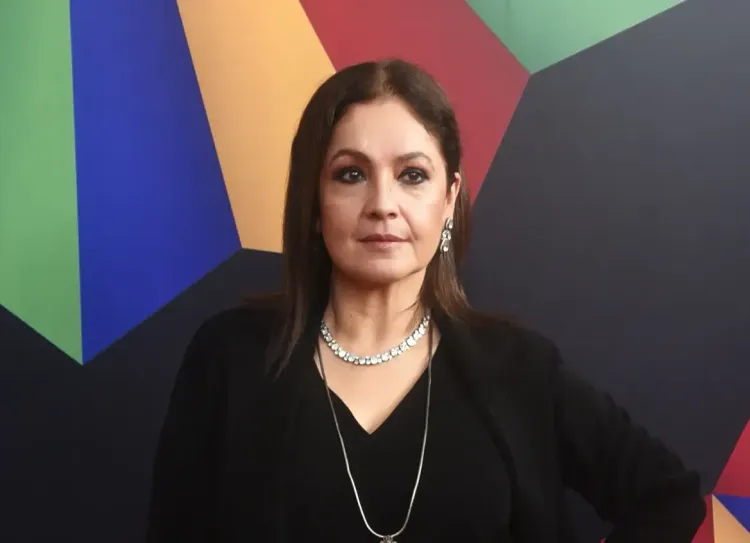
Filmmaker Mahesh Bhatt championed his daughter Pooja Bhatt's original voice when producers pushed to dub her vocals in the film Daddy, demanding a more conventionally feminine tone. The revelation emerged during an upcoming Indian Idol episode, where both filmmaker and actor reflected on a pivotal moment that shaped Pooja's early career.
The dubbing controversy
During production of Daddy, industry voices suggested replacing Pooja's voice with that of a professional dubbing artist deemed more feminine. Pooja recalled the debate: "Daddy jab humne banayi thi, us waqt dubbing ko lekar bahut bada discussion hua tha. Discussion tha ki Pooja ki awaaz ko dubbing artist se dub karwa dein, someone who has a more feminine voice."
Mahesh's unwavering stand
Mahesh Bhatt rejected the suggestion outright, offering what became a defining principle for his daughter's career. He told producers: "Agar Hindustan use sweekar karega toh waise hi sweekar karega, warna use reject kar dega the way she is. Accept her for what she is or reject her for what she is." Pooja described the moment as transformative, saying her father "gave me my voice in more ways than one."
Pooja's insecurity and growth
The actor admitted to initial self-doubt about her vocal tone, which she felt deviated from conventional standards. "Meri awaaz typical nahi hai," she shared, revealing anxiety when required to sing opposite Aamir Khan in the film. However, she has since reframed nervousness as essential to artistic integrity: "Jis din aap darte nahi ho na, then you're dead you have to be anxious."
Mahesh's directorial perspective
Mahesh Bhatt confirmed his initial confidence in casting his daughter, emphasizing he sought a young girl capable of portraying a reformed alcoholic's daughter rather than a polished performer. He acknowledged Pooja's underlying anxiety: "Bahar se extremely tough hai, lekin yahan aane se pehle bhi dari hui thi aur abhi bhi dari hui hai, bas dikh nahi raha hai." Pooja countered with candour, crediting her ability to mask vulnerability as a strength in her craft.
Legacy of authenticity
The exchange underscores a rare instance of a filmmaker prioritizing an actor's authenticity over commercial convention—a stance that allowed Pooja Bhatt to establish her identity on her own terms. Her appearance on Indian Idol marks continued reflection on how early mentorship from her father shaped her career trajectory and artistic philosophy.
Point of View
And that even then, it was framed as a gamble ('accept or reject'). Today's casting debates suggest little has changed: non-conformist voices still face pressure to be smoothed into marketable molds. Mahesh's principle—accept the artist fully or not at all—remains counterintuitive to an industry built on modification.
NationPress
16 Sept 2026
Frequently Asked Questions
Why did producers want to dub Pooja Bhatt's voice in 'Daddy'?
Producers felt her voice was not conventionally feminine enough and wanted to replace it with a professional dubbing artist's voice to meet commercial expectations. Mahesh Bhatt rejected this suggestion, insisting Pooja's authenticity be preserved.
What did Mahesh Bhatt say about the dubbing pressure?
He told producers: 'Accept her for what she is or reject her for what she is.' He refused to compromise Pooja's authenticity, framing it as a binary choice rather than a negotiable detail.
How did Pooja Bhatt feel about her own voice at the time?
Pooja was initially insecure about her non-conventional vocal tone and felt anxious when required to sing, particularly opposite Aamir Khan. However, she has since reframed nervousness and self-doubt as essential components of authentic artistic work.
Where is this story being revealed?
The anecdote is being shared during an upcoming episode of Indian Idol, where both Mahesh and Pooja Bhatt reflect on the film Daddy and their working relationship.