Masoom Sharma Expresses Regret Over Controversial Remarks at College Gathering
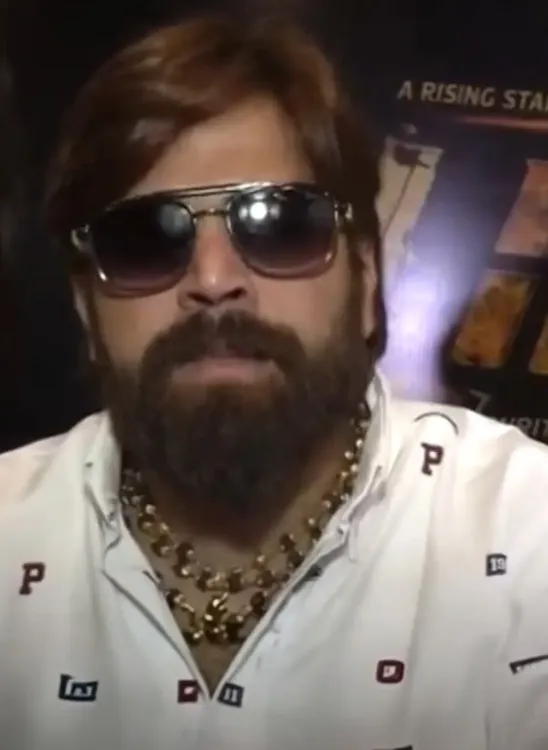
Synopsis
Haryanvi singer Masoom Sharma publicly expresses regret for his inappropriate remarks made during a college event in Dehradun. His statements come amid scrutiny from the Haryana State Commission for Women, emphasizing the importance of respect and dignity in public discourse.
Key Takeaways
Masoom Sharma regrets his remarks made during a college event.
His statements have prompted official scrutiny from the Haryana State Commission for Women .
The incident raises questions about public behavior of artists.
Sharma's apology indicates awareness of the impact of his actions.
His career includes notable tracks that blend traditional and modern music.
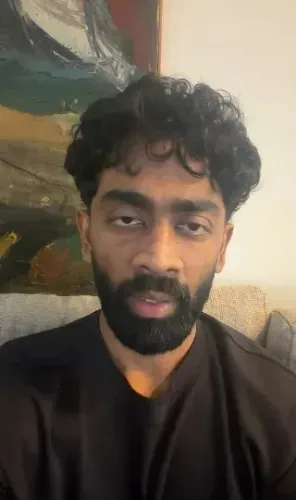
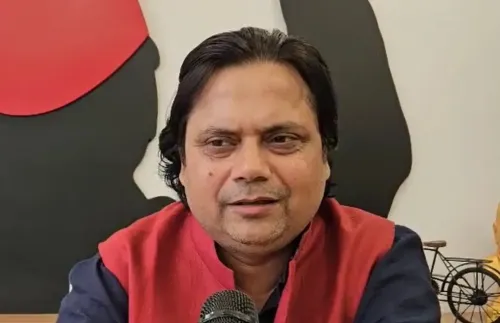
Mumbai, April 18 (NationPress) Haryanvi artist Masoom Sharma has addressed the uproar regarding his alleged use of offensive language at a college event in Dehradun, expressing profound regret for his actions.
In an interview with IANS, he stated, “Mujhe regret hai. Aur baar baar main uska… mujhe regret hai. Meri aatma ko pata hai ki main kis mental, kis position main tha us time. Mujhe uska poora regret hai. Mujhe zyada logo ko batane ki zaroorat nahi hai.” (I have a lot of regret for that. My soul knows what position I was in at that time. I know, I have a lot of regret for that. I don't need to tell many people.)
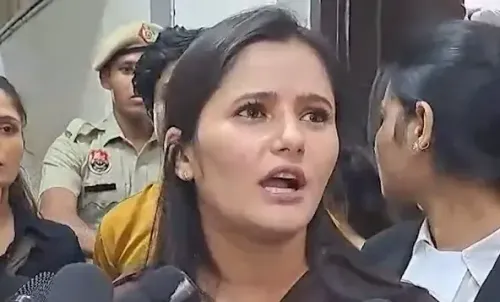
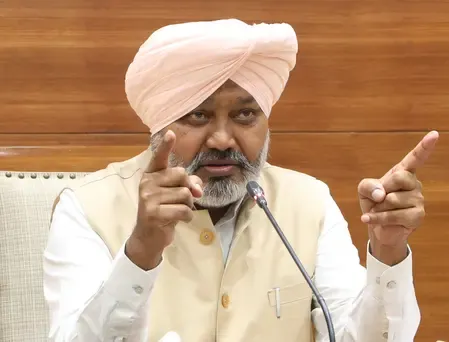
On April 12, the Haryana State Commission for Women took notice of the situation involving the singer. Commission Chairperson Renu Bhatia has formally summoned Sharma to appear before the panel on April 18 at 11 a.m. in Panchkula, Haryana.
The Commission indicated that the alleged misconduct occurred during a recent event at DAV College Dehradun, where the singer reportedly used inappropriate language and exhibited behavior deemed unfit for a public figure.
The Commission highlighted that such actions, if proven, pose serious concerns regarding the respect, dignity, and decency afforded to women in public venues, particularly in educational settings.
Masoom Sharma had previously issued a public apology via Instagram, attributing the situation's escalation to disturbances and provocations leading up to the event. He emphasized that his response was unintentional, expressing regret for any offense taken.
Sources reveal that this is not the first instance Sharma has faced scrutiny regarding his behavior at public gatherings, which has heightened attention on the current incident.
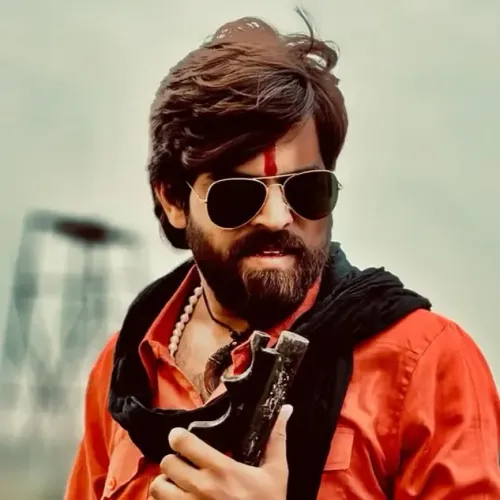
Masoom Sharma embarked on his musical career in the 2000s, blending traditional Haryanvi folk with contemporary desi pop. He is recognized for popular tracks such as “Madam Ji”, “Lofar”, “Tuition Badmashi Ka”, “2 Numbari”, “Raat Ke Shikari”, and “Chambal K Dakku”, among others.
Point of View
The recent statements from Masoom Sharma reflect a growing concern regarding the behavior of public figures in educational settings. The Haryana State Commission for Women's involvement underscores the need for accountability and respect towards women in public domains.
NationPress
19 Sept 2026
Frequently Asked Questions
What did Masoom Sharma say about the incident?
Masoom Sharma expressed deep regret for his remarks, stating that he was aware of his mental state during the incident and emphasized that he doesn't need to explain himself to many people.
What actions has the Haryana State Commission for Women taken?
The Commission has summoned Masoom Sharma to appear before them on April 18 to address the allegations of inappropriate conduct during the event.
What is the significance of the Commission's involvement?
The involvement of the Commission highlights the serious nature of maintaining respect and dignity, particularly in educational institutions, and addresses concerns over public figures' behavior.
Has Masoom Sharma apologized before?
Yes, he issued a public apology on Instagram, explaining that disturbances before the event contributed to the situation escalating.
What is Masoom Sharma known for?
Masoom Sharma is known for his fusion of traditional Haryanvi folk music with modern desi pop, with popular songs like 'Madam Ji' and 'Chambal K Dakku'.