Paul McCartney calls John Lennon 'a complete idiot' over post-Beatles tensions
Synopsis
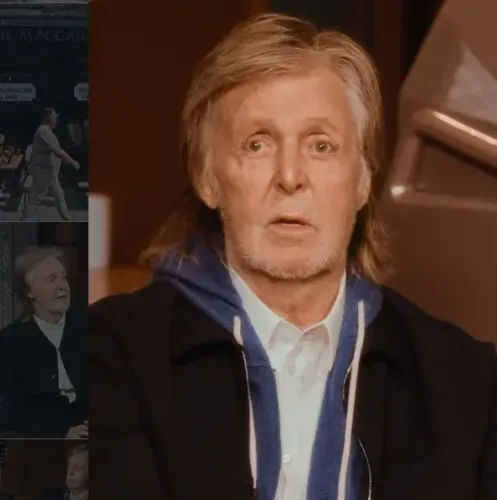
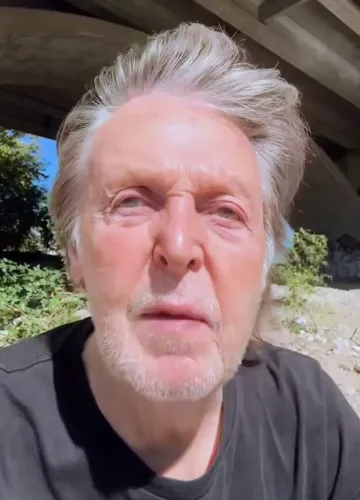
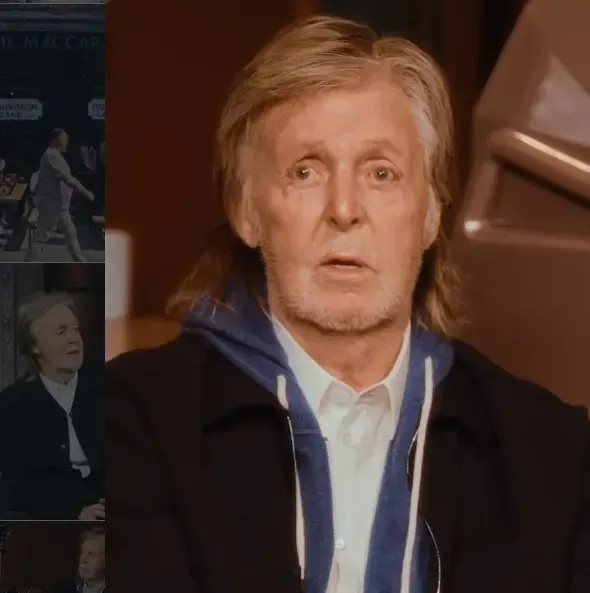
Paul McCartney has called John Lennon 'a complete idiot' over certain things — but insists the remark is rooted in love, not bitterness. Speaking with filmmaker Judd Apatow, the 84-year-old offered his most unguarded account yet of the post-Beatles tension, reframing one of rock history's most mythologised feuds as the collision of two people who knew each other too well to stay polite.
Key Takeaways
Sir Paul McCartney , 84 , said John Lennon could be 'a complete idiot, over some things' in an interview with filmmaker Judd Apatow .
McCartney said Lennon may have 'expected something different' from his post-Beatles output, which McCartney described as 'just doing madcap'.
Despite the friction, McCartney said Lennon's behaviour never changed how he viewed him, having known him since he was 15 .
McCartney formed Wings in 1971 with Linda McCartney , Denny Seiwell , and Denny Laine , releasing seven albums including the acclaimed Band on the Run in 1973 .
John Lennon publicly dismissed McCartney's early solo work in 1971 , saying he could not imagine working with him again.
Sir Paul McCartney has offered one of his most candid assessments yet of his relationship with late Beatles bandmate John Lennon, saying Lennon could be 'a complete idiot' over certain things — while making clear the remark does nothing to diminish his enduring admiration for him. The 84-year-old music legend made the comments during a conversation with filmmaker Judd Apatow, reflecting on the notoriously strained period between the two in the early 1970s.
What McCartney Said
When Apatow asked why Lennon appeared irritated by McCartney's post-Beatles direction — contrasting Lennon's primal scream therapy with McCartney's more playful output — McCartney offered a measured but pointed response. 'Well, I don't know. I think maybe he expected more from me. He expected something different from me, and I wasn't doing that. I was just doing madcap,' McCartney said.
He continued: 'I always thought John was very cool, and I still do. But he could be a complete idiot, over some things.'
Despite the friction, McCartney was emphatic that Lennon's behaviour never altered his fundamental regard for him. 'It wouldn't matter, as it didn't matter, what he said or did, because I'd known him since I was 15, and so he was like this mad guy I knew, and I really looked up to him,' he added.
The Post-Beatles Fallout
The early 1970s represented one of the most publicly acrimonious chapters in rock history. John Lennon publicly dismissed McCartney's early solo work, famously stating in 1971 that he could not imagine working with him again. The split of The Beatles — formalised with their final album Let It Be in 1970 — was accompanied by bitter public exchanges, legal disputes, and competing press narratives that took years to fully subside.
Notably, McCartney has given several interviews in recent years that have gradually softened the historical record, presenting a more nuanced picture of his friendship with Lennon beneath the well-documented hostility.
Wings and McCartney's Madcap Era
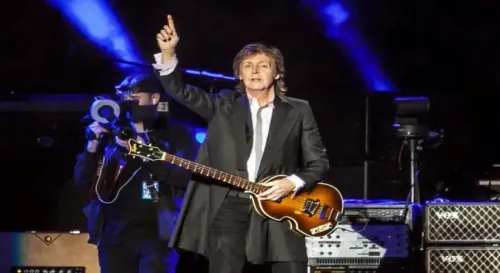
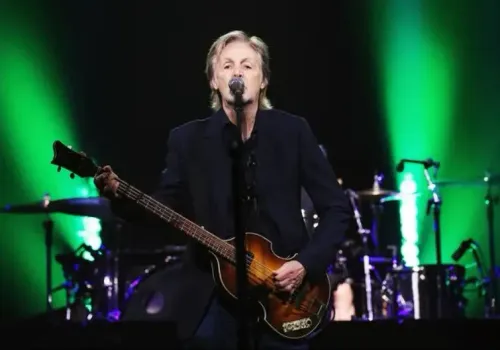
McCartney formed Wings in 1971 alongside his then-wife Linda McCartney, drummer Denny Seiwell, and former Moody Blues guitarist Denny Laine — just one year after The Beatles' dissolution. The band went on to release seven albums, including the critically acclaimed 1973 LP Band on the Run, widely regarded as one of the great rock records of its decade. It was this era — characterised by McCartney's upbeat, melodic sensibility — that Lennon reportedly found jarring after the weight of The Beatles' final years.
A Friendship That Outlasted the Feuds
McCartney's remarks underline a theme he has returned to repeatedly in later life: that the public rivalry obscured a deep, formative bond. Having known Lennon from the age of 15, McCartney frames the tensions less as personal enmity and more as the friction of two outsized personalities navigating unprecedented fame and creative divergence. John Lennon was shot and killed in New York on 8 December 1980, leaving the question of a full reconciliation permanently open. McCartney's continued willingness to speak candidly — and warmly — about Lennon suggests the friendship, in his telling, was always larger than its most publicised fractures.
Point of View
But the more revealing line is the one that follows it: he still looked up to Lennon, unconditionally. At 84, McCartney has clearly decided that the received narrative — two bitter rivals — undersells both men. What emerges from his recent interviews is something closer to a complicated lifelong friendship that the music press flattened into a feud for decades. The real question is whether history will catch up: Lennon's public dismissals of McCartney in 1971 shaped critical opinion of Wings for years, arguably understating McCartney's solo output. These late-career correctives matter.
NationPress
1 Oct 2026
Frequently Asked Questions
What did Paul McCartney say about John Lennon in his new interview?
Paul McCartney said John Lennon could be 'a complete idiot, over some things,' while speaking with filmmaker Judd Apatow about their post-Beatles tensions in the early 1970s. He also said that Lennon's behaviour never changed how much he admired him, having known him since the age of 15.
Why was John Lennon reportedly irritated by McCartney's post-Beatles work?
According to McCartney, Lennon may have 'expected something different' from him after The Beatles broke up. McCartney described his own output during the Wings era as simply doing 'madcap,' which he suggests may not have matched Lennon's expectations.
What was Wings, and who were its members?
Wings was a rock band formed by Paul McCartney in 1971, one year after The Beatles disbanded. Its core members included McCartney, his then-wife Linda McCartney, drummer Denny Seiwell, and Moody Blues guitarist Denny Laine. The band released seven studio albums, including the critically acclaimed Band on the Run in 1973.
What was the nature of the public feud between McCartney and Lennon?
Following The Beatles' break-up in 1970, John Lennon publicly dismissed McCartney's early solo work and stated in 1971 that he could not imagine working with him again. The split was marked by legal disputes and bitter public exchanges, though McCartney has in later years presented a more nuanced and affectionate account of their friendship.
Who is Judd Apatow and why did he interview Paul McCartney?
Judd Apatow is a prominent American filmmaker known for his comedy films and television work. He interviewed Paul McCartney in a wide-ranging conversation in which McCartney reflected on his career, his relationship with John Lennon, and the post-Beatles era.