Raja Shivaji movie review: Riteish Deshmukh's restrained portrait of a warrior
Synopsis
Riteish Deshmukh's Raja Shivaji rejects the war-film template in favour of intimate character study. With Sanjay Dutt, Vidya Balan, and Abhishek Bachchan anchoring a 187-minute bilingual narrative, the film traces Shivaji's evolution through stillness and restraint rather than spectacle. Released around Maharashtra Day, it doubles as both pan-India cinema and a cultural tribute to a legend.
Key Takeaways
Riteish Deshmukh directs, writes, and stars as Shivaji Maharaj in a 187-minute character-driven historical film.
The narrative emphasises Shivaji's formative years and his mother Jijabai's influence, avoiding large-scale battle sequences.
Sanjay Dutt ( Afzal Khan ), Vidya Balan ( Badi Begam ), and Abhishek Bachchan ( Sambhaji ) deliver restrained, layered performances.
Cinematography by Santosh Sivan and music by Ajay–Atul blend visual and sonic authenticity with cultural nuance.
Released around Maharashtra Day , the film carries special resonance for audiences in Mumbai and Maharashtra .
Overall rating: 4.5 out of 5 .
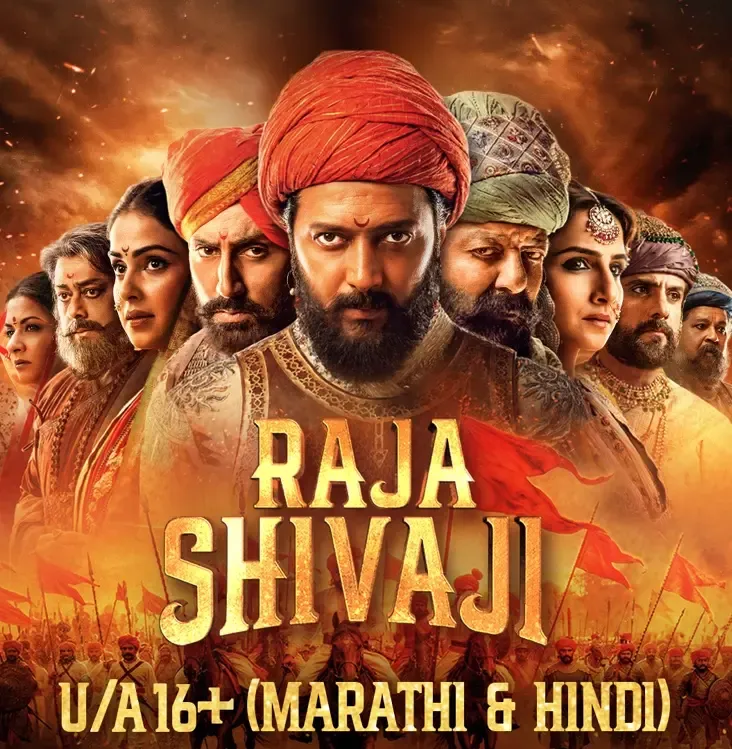
Director: Riteish Deshmukh | Cast: Riteish Deshmukh, Sanjay Dutt, Abhishek Bachchan, Vidya Balan, Fardeen Khan, Salman Khan | Duration: 187 minutes | Rating: 4.5/5
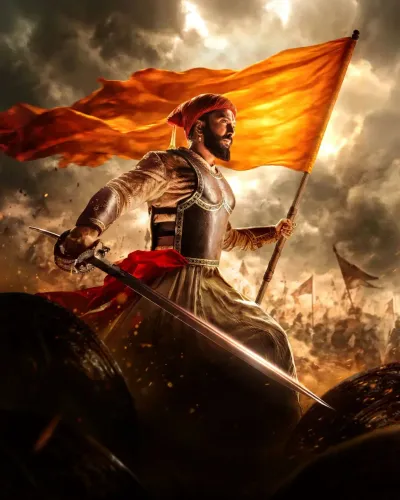
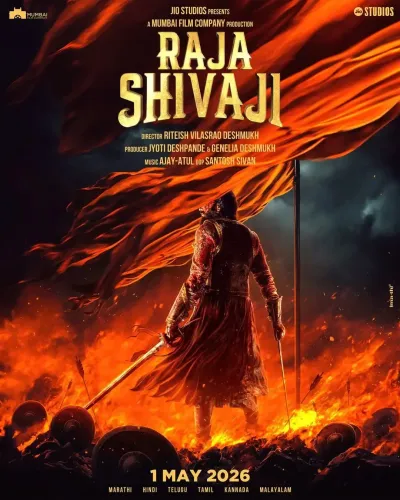
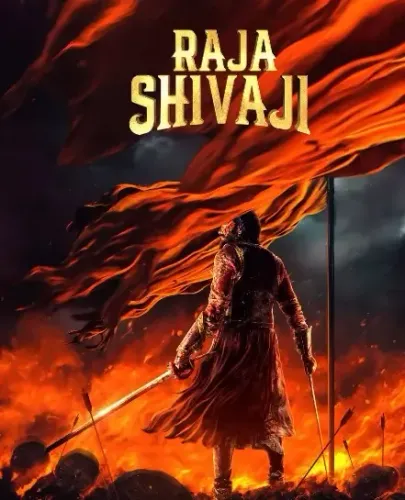
Riteish Deshmukh's directorial return with Raja Shivaji strips away historical spectacle to focus on the making of a leader. Structured as a bilingual, chapter-based narrative, the film eschews large-scale battle sequences in favour of intimate character study, tracing how Shivaji Maharaj evolved from a young boy shaped by his mother Jijabai into a legendary figure. The 187-minute canvas allows the story to breathe, treating personal moments with the same weight as political turning points.
A quieter kind of epic
What distinguishes Raja Shivaji from conventional historical biopics is its deliberate restraint. There are no overwrought battle montages or grandstanding monologues designed for applause. Instead, Deshmukh trusts the material, allowing stillness and silence to carry emotional weight. His own performance as the titular character mirrors this philosophy—composed, introspective, and devoid of theatrical excess. The narrative choice to linger on Shivaji's formative years, particularly his relationship with Jijabai, grounds the legend in human vulnerability and familial bonds.
Cast and character work
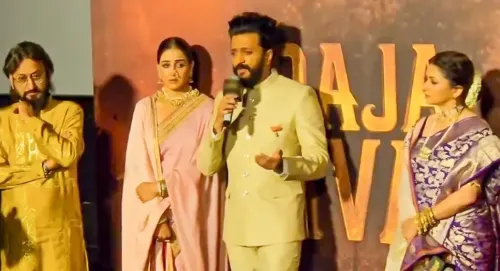
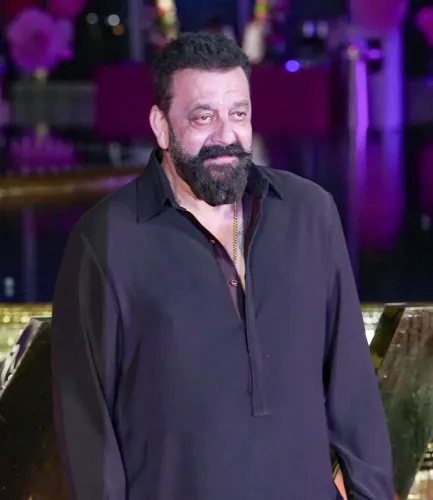
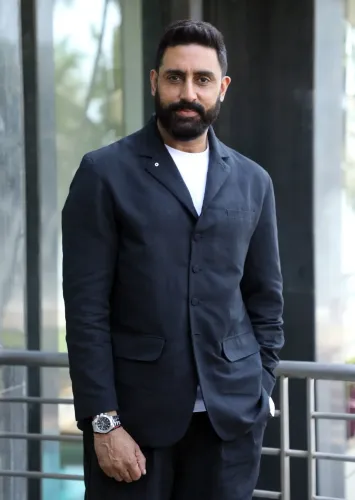
Sanjay Dutt's Afzal Khan emerges as a formidable antagonist, marked by cunning and underlying menace rather than bombast. Vidya Balan as Badi Begam delivers a performance of subtle intelligence, balancing emotional depth with political nuance. Fardeen Khan's Shah Jahan is defined by observation and restraint, while Abhishek Bachchan as Sambhaji carries the burden of legacy with quiet internal conflict. A brief but resonant cameo by Salman Khan as Jiva Mahala underscores themes of personal loyalty. Young Rahyl Deshmukh captures innocence in the early chapters, making Shivaji's arc feel organic rather than imposed.
Visual and sonic language
Cinematographer Santosh Sivan lends the film grounded grandeur, with landscapes that feel lived-in rather than painted. Action sequences prioritise clarity over chaos. Composers Ajay–Atul maintain an emotional rhythm that complements rather than overshadows the narrative, blending Marathi and Hindi elements for cultural authenticity. The bilingual approach reinforces the film's pan-India ambition while honouring regional identity.
Scale without spectacle
Backed by Jio Studios and produced by Jyoti Deshpande and Genelia Deshmukh under Mumbai Film Company, the film demonstrates disciplined ambition. It never sacrifices narrative focus for production scale. The ensemble—including Bhagyashree as Jijabai, Sachin Khedekar, Mahesh Manjrekar, Boman Irani, and Amole Gupte—ensures the world feels intentional and complete.
Cultural resonance and timing
Released around Maharashtra Day, Raja Shivaji carries particular weight for audiences in Mumbai and Maharashtra. Beyond its pan-India scope, it functions as a cultural tribute, positioning itself as more than a cinematic release. The film's central thesis—that leadership is forged through values, resilience, and vision—extends beyond historical narrative into contemporary relevance.
This is not a war story masquerading as history. It is a study in character, told with the patience of a carefully composed manuscript. For those seeking historical cinema that prioritises depth over decibels, Raja Shivaji offers a rare kind of strength.
Point of View
Deshmukh's choice to linger on Shivaji's inner life rather than his battlefield triumphs feels almost subversive. The film's real strength lies not in what it shows but in what it trusts the audience to understand. This is cinema that respects both the legend and the viewer.
NationPress
19 Sept 2026
Frequently Asked Questions
What is Raja Shivaji about?
Raja Shivaji is a character-driven historical film directed by and starring Riteish Deshmukh. It traces the evolution of Shivaji Maharaj from his formative years under his mother Jijabai's influence to his emergence as a legendary leader, structured as a bilingual, chapter-based narrative that prioritises personal and political depth over battle spectacle.
Who are the key cast members?
The film stars Riteish Deshmukh as Shivaji Maharaj, Sanjay Dutt as Afzal Khan, Vidya Balan as Badi Begam, Abhishek Bachchan as Sambhaji, Fardeen Khan as Shah Jahan, and features a cameo by Salman Khan as Jiva Mahala. Bhagyashree plays Jijabai, Shivaji's mother.
How long is Raja Shivaji?
The film has a runtime of 187 minutes (approximately 3 hours and 7 minutes), allowing the narrative to develop character arcs and historical context at an unhurried pace.
When was Raja Shivaji released?
Raja Shivaji was released around Maharashtra Day, positioning itself as a cultural tribute for audiences in Mumbai and Maharashtra while also targeting pan-India viewership.
What sets Raja Shivaji apart from other historical films?
Unlike conventional historical biopics, Raja Shivaji eschews large-scale battle sequences and spectacle in favour of intimate character study. It focuses on Shivaji's formative years, his relationships, and his inner life, treating personal moments with the same weight as political developments.