Rajat Bedi: AI Will Make Movie Visuals More Powerful & Beautiful
Synopsis
Actor Rajat Bedi says AI will make Indian cinema's visuals more powerful and unimaginable, citing Punjab's natural beauty as a prime example. He also defended Aryan Khan's Netflix show 'Ba***ds of Bollywood' amid producer Viveck Vaswani's criticism, calling the controversial scene purely fictional.
Key Takeaways
Rajat Bedi stated that AI in Indian cinema will make visuals more powerful, beautiful, and unimaginable, speaking exclusively to IANS on April 26, 2025 .
Bedi cited Punjab's mustard fields (Sarso ke khet) as an example of natural beauty that AI could elevate to an entirely new cinematic level.
The actor defended Aryan Khan's Netflix debut 'Ba***ds of Bollywood' , clarifying that the controversial scene depicting a woman being kicked was a fictional dream sequence .
Producer Viveck Vaswani had publicly criticized the Netflix show, calling the scene an exaggerated and irresponsible portrayal of Bollywood culture .
Bedi maintained that audience reception is the ultimate verdict, noting that viewers have responded positively to the show despite the controversy.
The debate mirrors global concerns, including the SAG-AFTRA and WGA strikes of 2023 , about AI's growing role in displacing creative professionals in the entertainment industry.
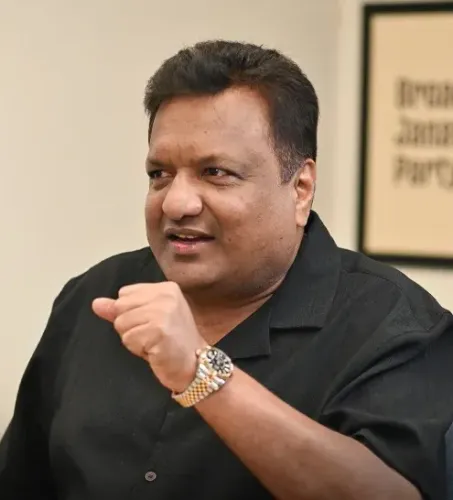
Mumbai, April 26 — Bollywood actor Rajat Bedi has weighed in on the rapidly growing role of Artificial Intelligence (AI) in Indian cinema, asserting that the technology will dramatically elevate the visual experience of films. Speaking exclusively to IANS, the veteran actor said AI has the potential to make on-screen imagery more breathtaking, powerful, and even unimaginable — a shift that could redefine how Indian stories are told on screen.
AI and the Future of Indian Cinema's Visual Language
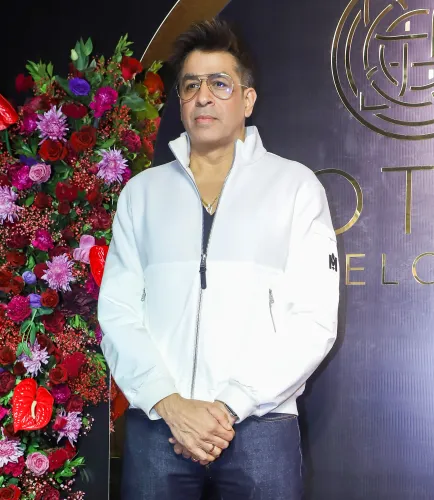
Rajat Bedi, best known for his role in the iconic Koi... Mil Gaya, expressed strong optimism about AI's transformative impact on filmmaking. He noted that regions like Punjab, which have historically been captured beautifully on film, will look even more spectacular through AI-enhanced cinematography.
"According to me, AI ends up making everything more beautiful. Our Punjab is most definitely beautiful. When one shoots in the Sarso ke khet, it looks like pure heaven on the screen," Bedi told IANS. He added, "However, with the arrival of AI, a lot of things will be visually more powerful, more beautiful, and even unimaginable."
This perspective comes at a time when Indian filmmakers are increasingly experimenting with AI-driven visual effects, virtual production, and generative tools to reduce costs and push creative boundaries. From RRR's VFX-heavy sequences to recent AI-generated promotional content for major Bollywood releases, the industry is clearly at an inflection point.
The Broader Debate: AI's Role in Preserving Cultural Identity
Bedi's comments raise an important question that the Indian film industry is beginning to grapple with — can AI authentically represent the cultural richness of regions like Punjab, Rajasthan, or Kerala, or will it produce a sanitized, hyper-stylized version of Indian landscapes that loses its soul?
Proponents argue that AI can amplify what already exists — turning a golden mustard field in Amritsar into a cinematic masterpiece without the constraints of weather, lighting, or budget. Critics, however, caution that over-reliance on AI could gradually replace on-location shoots, impacting local economies and diluting regional authenticity in storytelling.
Notably, Hollywood has already witnessed significant pushback from writers and actors over AI's encroachment into creative roles, culminating in the historic SAG-AFTRA and WGA strikes of 2023. India's film industry, while not yet at that flashpoint, is watching closely as AI tools become more accessible and affordable.
Rajat Bedi on Aryan Khan's Netflix Show Controversy
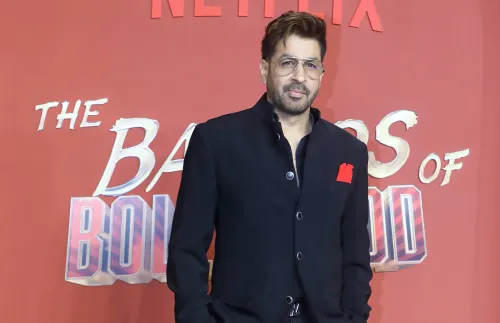
Beyond his AI remarks, Rajat Bedi also addressed the ongoing controversy surrounding Aryan Khan's Netflix series 'Ba***ds of Bollywood', in which Bedi featured and received considerable audience appreciation for his performance.
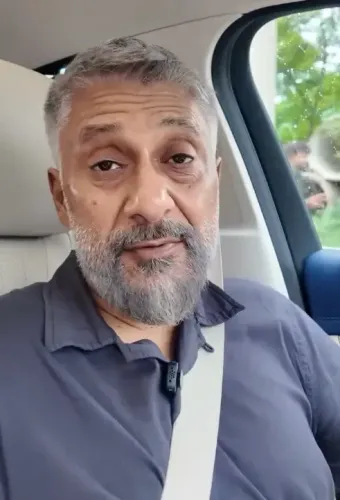
Veteran producer Viveck Vaswani had publicly criticized the show, specifically objecting to a scene depicting a director kicking a woman — calling it an exaggerated and irresponsible portrayal of Bollywood culture. Vaswani stated he had "never seen anything like this" in the industry and called for more balanced storytelling.
Bedi, however, firmly distanced himself from the controversy. "There is a controversy, please don't put me in it. What Vivek Ji has said is his opinion. The scene is a fiction; it is a dream that Aryan has presented. There is no reality in it," he told IANS.
He further clarified that the contentious scene was presented as a dream sequence within the narrative. "It is not real. Aryan has shot it as a dream scene — fictional and not real," Bedi emphasized.
Audience Verdict Matters Most, Says Bedi
Ultimately, Rajat Bedi pointed to audience reception as the definitive measure of a show's merit. "Audiences have given their verdict, and they have loved it. Now Vivek Ji can say whatever he wants," he concluded.
The actor's stance reflects a broader industry sentiment — that in the age of OTT platforms and direct audience feedback through streaming metrics and social media, traditional gatekeeping of content narratives is becoming increasingly difficult to sustain.
Aryan Khan's debut as a creative force on Netflix has been closely watched, and the show's performance will likely influence the kind of projects he takes on next. As AI continues to reshape production pipelines and OTT platforms redefine storytelling norms, Indian cinema stands at a fascinating crossroads — and voices like Rajat Bedi's offer a window into how working actors are navigating this rapidly evolving landscape.
Point of View
But it glosses over a critical tension: as AI makes visuals 'more beautiful,' it risks replacing the raw, lived-in authenticity that made films like Dilwale Dulhania Le Jayenge culturally immortal. The industry must ask whether AI-enhanced Punjab is still Punjab, or just a algorithm's idea of it. Meanwhile, Bedi's careful sidestep of the 'Ba***ds of Bollywood' controversy — hiding behind the 'it's fiction' shield — reflects a broader Bollywood tendency to avoid accountability when powerful names are involved. The audience verdict he cites so confidently is also shaped by platform algorithms, not just organic love.
NationPress
16 Sept 2026
Frequently Asked Questions
What did Rajat Bedi say about AI in movies?
Rajat Bedi said AI will make movie visuals more powerful, more beautiful, and even unimaginable. He specifically mentioned that AI-enhanced cinematography could make locations like Punjab's mustard fields look even more spectacular on screen.
What is the controversy around Aryan Khan's Netflix show 'Ba***ds of Bollywood'?
Producer Viveck Vaswani criticized a scene in the show where a director is depicted kicking a woman, calling it an exaggerated portrayal of Bollywood culture. Rajat Bedi responded by clarifying the scene was a fictional dream sequence and not a reflection of reality.
Who is Rajat Bedi and what is he known for?
Rajat Bedi is a veteran Bollywood actor best known for his role in the 2003 blockbuster 'Koi... Mil Gaya.' He recently gained renewed attention for his performance in Aryan Khan's Netflix series 'Ba***ds of Bollywood.'
How is AI being used in Indian cinema currently?
Indian filmmakers are increasingly using AI for visual effects, virtual production, and generative content tools to reduce costs and enhance creativity. Major productions have already experimented with AI-driven VFX, and the trend is expected to accelerate through 2025.
What did Viveck Vaswani say about 'Ba***ds of Bollywood'?
Producer Viveck Vaswani objected to a scene in the show depicting a director kicking a woman, stating he had 'never seen anything like this in Bollywood.' He called it an exaggerated representation and urged filmmakers to maintain balance in storytelling.