Rakesh Bedi Champions Divorced Women: 'It's a New Beginning, Not the End'
Synopsis
Veteran actor Rakesh Bedi has ignited a powerful social conversation by urging Indian families to celebrate — not shame — daughters who return home after divorce. Citing a father who welcomed his divorced daughter with dhol and band, Bedi's message challenges one of India's most entrenched social taboos and calls for empowerment over judgment.
Key Takeaways
Rakesh Bedi posted a video on April 24 urging Indian society to empower divorced women instead of judging or trolling them.
Bedi stated: "Divorce is not the end.
Make it a new beginning" — calling on families to support daughters who return home after separation.
The actor cited a powerful real-life example of a father who welcomed his divorced daughter with dhol and band , celebrating her return with pride rather than shame.
Bedi emphasised that every divorced woman deserves acceptance, dignity, and motivation to become financially independent and rebuild her life.
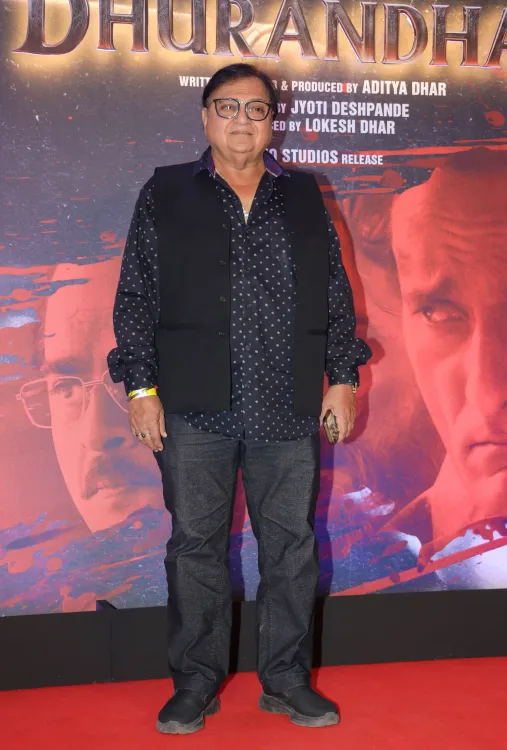
The actor is currently receiving wide acclaim for his performances in Dhurandhar and Dhurandhar 2: The Revenge , with a career spanning over four decades .
His message comes amid growing national discourse on women's rights, mental health, and marital freedom in post-pandemic India.
Veteran Bollywood actor Rakesh Bedi has sparked an important social conversation by calling on Indian families and society to stop stigmatising divorce and instead empower women who choose to walk away from failed marriages. Speaking through a heartfelt video shared on his social media account on April 24, Bedi urged people across India to treat divorce not as a shameful end, but as a courageous new beginning for women rebuilding their lives.
Rakesh Bedi's Powerful Message on Divorce Stigma
Rakesh Bedi stated in the video, "I feel that if a daughter returns home after a divorce, she should be given another chance at life by her family. Instead of making divorce a taboo in society, we should support her so that she can stand on her own feet and become independent."
The actor's message directly challenges the deep-rooted social stigma attached to divorce in India, where separated women are often subjected to judgment, trolling, and social ostracisation rather than compassion and support. Bedi emphasised that every woman who returns to her parental home after separation deserves acceptance, dignity, and motivation to rebuild her life on her own terms.
Sharing the video, he wrote: "Divorce is not the end. Make it a new beginning."
The Father Who Celebrated His Daughter's Return With Dhol and Band
To drive home his message, Rakesh Bedi cited a deeply moving real-life example — a father who welcomed his divorced daughter back home not with shame or silence, but with dhol and band, celebrating her return with pride, love, and festivity.
This powerful anecdote resonated widely online, as it stood in stark contrast to the social norm where divorced women are often made to feel like a burden or a source of family embarrassment. The example reframes a daughter's homecoming after divorce as an act of strength, not defeat.
The story underscores a broader cultural shift that mental health advocates and gender rights organisations have long called for — moving away from shame-based responses to marital breakdown toward empathy-driven family support systems.
Why This Message Matters in Today's India
According to data from the National Family Health Survey (NFHS-5), divorce and separation rates in India have been gradually rising, particularly among urban women who are increasingly choosing to exit abusive or incompatible marriages. Yet, societal acceptance has not kept pace with this demographic reality.
Women who seek divorce in India frequently face dual hardship — the emotional toll of marital breakdown compounded by social judgment from extended family, neighbours, and communities. This stigma often deters women from leaving harmful situations, making public voices like Rakesh Bedi's critically important in shifting the narrative.
This comes amid growing national discourse around women's rights, financial independence, and mental health — issues that have gained significant traction in post-pandemic India, particularly on social media platforms where young audiences are actively challenging regressive norms.
Rakesh Bedi: Four Decades of Entertainment and Social Conscience
Rakesh Bedi is one of India's most beloved character actors, with a career spanning over four decades in the entertainment industry. He is widely recognised for iconic roles in television classics such as Yeh Jo Hai Zindagi and Shrimaan Shrimati, as well as memorable performances in films including Chashme Baddoor, Ram Teri Ganga Maili, Gharwali Baharwali, and Phir Hera Pheri.
The actor is currently generating significant buzz for his acclaimed performances in Dhurandhar and its sequel Dhurandhar 2: The Revenge, both of which have received strong praise from audiences and critics alike.
Beyond his on-screen work, Bedi has increasingly used his public platform to advocate for progressive social values, making him a respected voice not just in entertainment but in broader cultural conversations.
Broader Implications: Celebrities Driving Social Change
The intervention by Rakesh Bedi reflects a growing trend of veteran entertainers using their credibility and reach to challenge regressive social norms — a phenomenon that has proven effective in shifting public opinion in India, where celebrity voices carry significant cultural weight.
Gender rights advocates argue that normalising divorce — particularly for women — requires a multi-pronged approach: legal awareness, financial literacy, family counselling, and crucially, cultural acceptance. Public figures speaking openly about these issues contribute meaningfully to that ecosystem of change.
As conversations around women's empowerment, mental health, and marital rights continue to gain momentum in India, messages like Rakesh Bedi's are expected to fuel further dialogue on how families, institutions, and society at large can better support women navigating life after divorce.
Point of View
But it also exposes a troubling gap in India's social fabric — where legal rights for women have advanced significantly on paper, yet cultural attitudes toward divorced women remain stubbornly regressive, particularly in smaller towns and conservative households. The fact that a celebrity endorsing basic human dignity for divorced women is considered newsworthy in 2025 speaks volumes about how far India still has to travel. What's missing from this conversation is systemic action — family counselling infrastructure, financial independence programs for separated women, and community-level sensitisation that goes beyond viral social media videos. Celebrity advocacy is a spark, but without policy and institutional follow-through, it risks remaining just that.
NationPress
19 Sept 2026
Frequently Asked Questions
What did Rakesh Bedi say about divorce and women?
Rakesh Bedi urged Indian families and society to support divorced women rather than stigmatise them, saying divorce should be treated as a new beginning, not an end. He called for families to give daughters who return home after separation acceptance, dignity, and motivation to rebuild their lives independently.
What real-life example did Rakesh Bedi share about divorce?
Rakesh Bedi cited the example of a father who welcomed his divorced daughter back home with dhol and band, celebrating her return with pride and love instead of shame. Bedi used this story to illustrate how families should respond to a daughter's divorce — with support and celebration of her courage, not embarrassment.
Why is divorce stigma a major issue for women in India?
In India, divorced women frequently face social judgment, trolling, and ostracisation from family and community, which often deters them from leaving harmful marriages. This cultural stigma compounds the emotional hardship of marital breakdown and undermines women's ability to rebuild independent lives.
What recent films has Rakesh Bedi appeared in?
Rakesh Bedi has recently garnered widespread acclaim for his performances in Dhurandhar and its sequel Dhurandhar 2: The Revenge. Both films have been highly praised by audiences and critics, reinforcing his reputation as one of India's most versatile character actors.
How long has Rakesh Bedi been active in Indian entertainment?
Rakesh Bedi has been active in the Indian entertainment industry for over four decades. He is known for iconic TV shows like Yeh Jo Hai Zindagi and Shrimaan Shrimati, as well as films including Chashme Baddoor, Ram Teri Ganga Maili, and Phir Hera Pheri.