Jeremy Renner nearly quit acting post-snowplough accident, prioritised recovery
Synopsis
Jeremy Renner's near-fatal snowplough accident in January 2023 forced a reckoning: the actor nearly walked away from Hollywood entirely. But after 30+ broken bones and months of gruelling rehabilitation, he chose to return — on his own terms, with family, wellness, and service at the centre, not career ambition.
Key Takeaways
Jeremy Renner suffered over 30 broken bones , a lacerated liver, and a collapsed lung in a snowplough accident in January 2023 .
The 55-year-old actor seriously considered abandoning his acting career to focus entirely on recovery and personal life.
Renner is undergoing red light therapy, oxygen therapy, and peptide treatments as part of his ongoing rehabilitation.
He has prioritised family, daily improvement, and acts of service since the accident.
The actor emphasised that a positive mindset is critical to his long-term recovery from tissue damage.
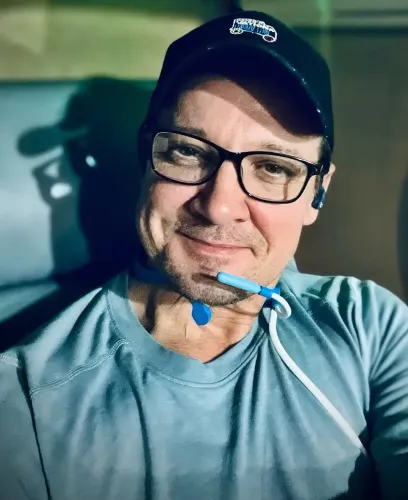
Jeremy Renner, the 55-year-old Hollywood actor, revealed in an interview with Fox News Digital that he seriously considered stepping away from acting following his near-fatal snowplough accident in January 2023. The incident left him with over 30 broken bones, a lacerated liver, and a collapsed lung, forcing him to redirect his focus toward physical rehabilitation and personal priorities.
The recovery journey
Speaking candidly about his recovery process, Renner explained that the accident fundamentally shifted his perspective on work and life. "I'll be in recovery for the rest of my life," he told the outlet. "I almost didn't want to go back into acting because I had to focus so much on real life. Nonfiction kind of stuff. To go into fiction was a little difficult, but I'm glad I'm back doing it."
Life priorities after the accident
Since the accident, Renner has consciously simplified his lifestyle, placing emphasis on family, daily improvement, and service to others. He stated: "Be with my family, get better every day and do acts of service and give to others as much and best as I can. And that's how I choose to live my life from moving forward since the accident."
Medical interventions and ongoing treatment
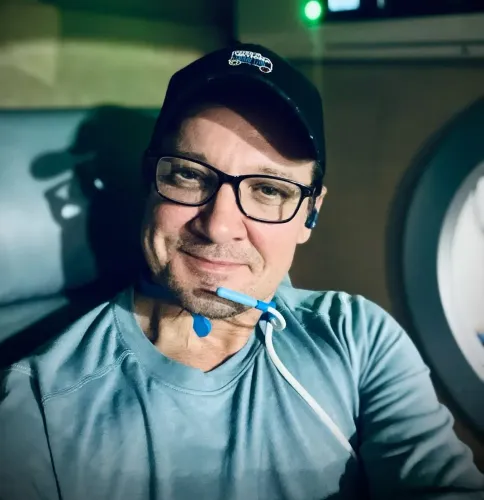
Renner is actively exploring advanced therapeutic options to support his long-term recovery from tissue damage. He is currently undergoing red light therapy and oxygen therapy, alongside peptide treatments for hormone replacement. "There are a lot of great things we're progressing in it," he said, noting that such interventions extend beyond accident recovery and apply to general ageing and wellness. "These are just life stuff as we age, but those are also very, very key to my recovery from tissue damage."
Mental resilience and forward momentum
Beyond physical treatments, Renner emphasised the critical role of mindset in his recovery trajectory. He underscored that maintaining a positive outlook is essential for sustained healing and quality of life. "A positive mindset. These are things that I enjoy and I have to enjoy them because I'll be doing them as I breathe and as I move around through life," he added, signalling his commitment to integrating recovery practices into his daily routine indefinitely.
Point of View
Where acting now fits into a life centred on healing, not vice versa. That distinction matters. It signals a maturation in how high-profile figures talk about recovery, moving past the 'I beat it' mythology toward the messier truth: some injuries never fully resolve, and life after them requires permanent recalibration.
NationPress
19 Sept 2026
Frequently Asked Questions
What happened to Jeremy Renner in January 2023?
Jeremy Renner was run over by his Snocat snowplough, suffering over 30 broken bones, a lacerated liver, and a collapsed lung. The accident forced him into an extended recovery period that fundamentally altered his approach to career and personal life.
Did Jeremy Renner consider quitting acting after the accident?
Yes. Renner revealed to Fox News Digital that he seriously contemplated stepping away from acting entirely because he needed to focus intensely on physical recovery and real-life priorities rather than returning to fictional narratives.
What treatments is Jeremy Renner currently undergoing?
Renner is exploring red light therapy, oxygen therapy, and peptide treatments for hormone replacement and tissue damage recovery. He stressed that these interventions are not unique to accident recovery but are part of broader wellness and anti-ageing strategies.
How has the accident changed Jeremy Renner's life priorities?
Since the accident, Renner has consciously simplified his life, prioritising time with family, daily physical improvement, and acts of service to others. He views recovery as a lifelong process integrated into his daily routine rather than a finite goal.