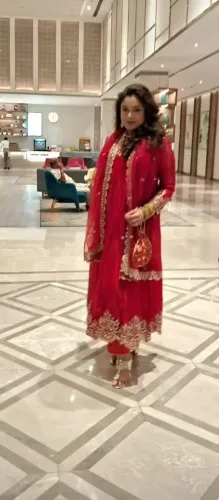
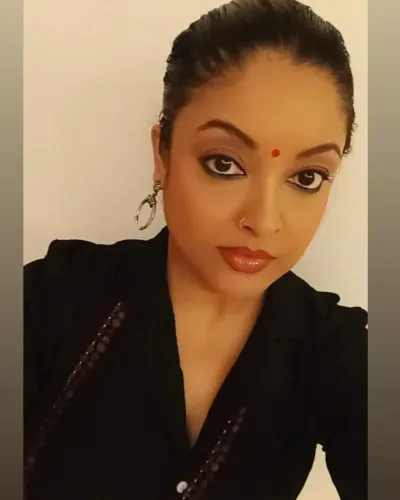
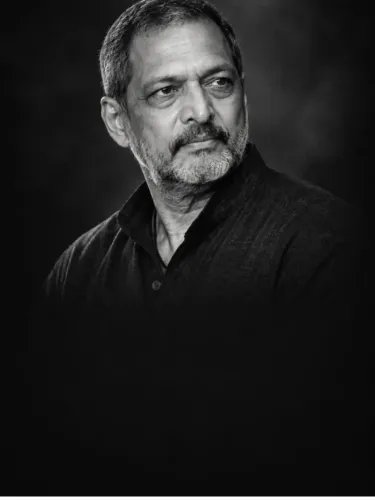
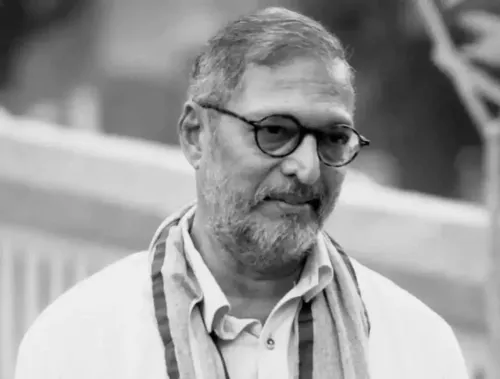
Sandhya Mridul backs Tanushree Dutta amid Nana Patekar death controversy
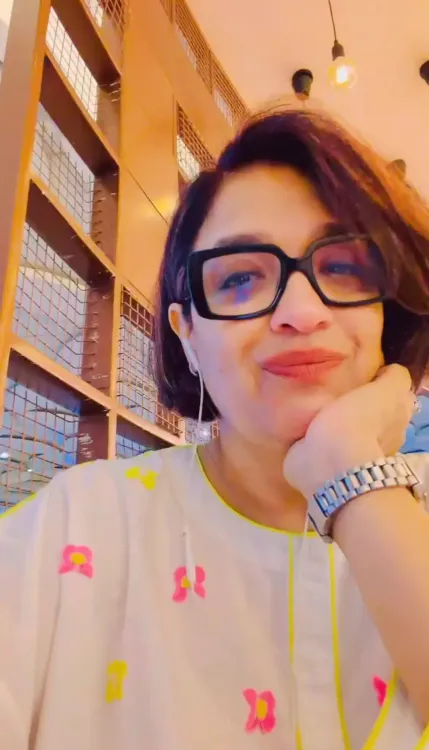
Synopsis
Nana Patekar's death did not close the file for Tanushree Dutta — and Sandhya Mridul made that point publicly. With a string of #MeToo-tagged posts, Mridul argued that mourning and survivor testimony can coexist, reigniting one of Bollywood's most consequential harassment cases nearly two decades after it began.
Key Takeaways
Sandhya Mridul posted publicly in support of Tanushree Dutta following criticism of Dutta's remarks on Nana Patekar's death on 9 October 2026 .
Mridul wrote that 'a person's death does not automatically erase the harm they may have caused' and used the #MeToo hashtag.
Tanushree Dutta had referred to the late Nana Patekar as 'Evil Dead' in a social media video following his demise, drawing both criticism and support.
The Dutta–Patekar controversy originates from 2008 , when Dutta accused Patekar of sexually harassing her on the sets of Horn 'OK' Pleassss .
The episode has renewed debate over whether public mourning should override or coexist with survivors' right to speak.
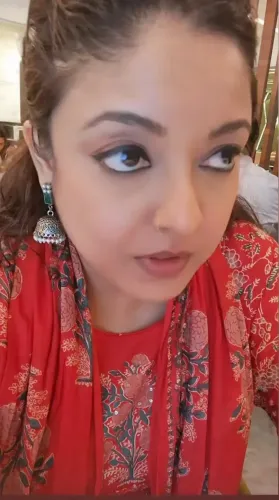
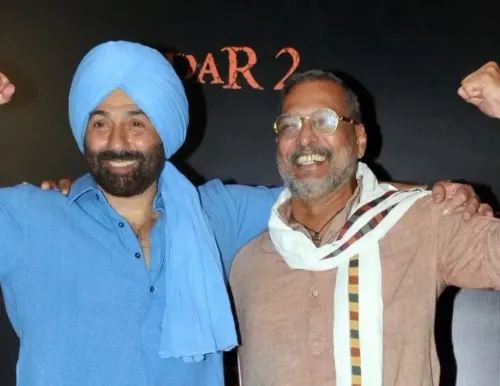
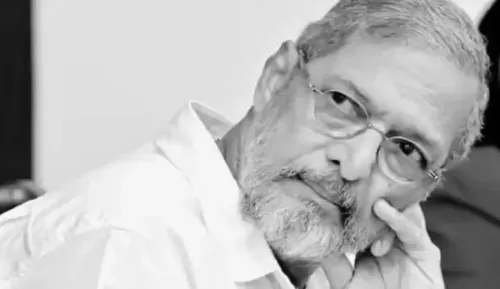
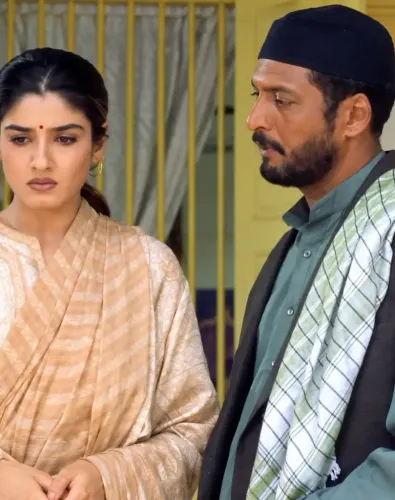
Actor Sandhya Mridul has publicly voiced her support for fellow actor Tanushree Dutta following criticism over Dutta's remarks about the late actor Nana Patekar after his demise on Thursday, 9 October 2026. Without naming Patekar directly, Mridul used her social media platform to assert that a person's death does not invalidate the experiences of those who allege harm at their hands.
What Sandhya Mridul Said
In a series of posts, Mridul wrote: 'A person's death does not automatically erase the harm they may have caused. Abuse does not become untrue because the abuser is gone, and the experiences of survivors do not become less real in the face of public tributes.'
In a second post, she added: 'It is possible to mourn someone, and it is also important to remember that there may be people carrying pain connected to them. When only praise is allowed and survivors are forgotten, it can feel like their truth disappears all over again.'
A third post was more direct: 'A survivor lives with it for as long as they live. I will always stand with the survivor.' She accompanied the post with the #MeToo hashtag.
The Tanushree Dutta Remark That Sparked the Debate
Tanushree Dutta had shared a video on social media following Nana Patekar's death in which she referred to him as 'Evil Dead' — a remark that drew sharp criticism from several quarters and reignited public debate around her long-standing allegations against him.
The controversy between Dutta and Patekar dates to 2008, when Dutta accused the veteran actor of sexually harassing her on the sets of the film Horn 'OK' Pleassss. The allegation resurfaced prominently during the #MeToo movement in India and remains among the most high-profile cases tied to that reckoning in Bollywood.
The Broader Context: Death, Grief and Survivor Silence
Mridul's intervention reflects a recurring tension that emerges whenever a public figure accused of misconduct passes away — the pressure on survivors to observe silence in deference to the public mood of mourning. Notably, this is not the first time Indian entertainment circles have grappled with this question; earlier cases involving deceased public figures have similarly sparked debate over whether tribute culture can inadvertently suppress survivors' voices.
Critics of Dutta's remarks argued that the timing was inappropriate; supporters, including Mridul, contend that mourning and accountability are not mutually exclusive and that silencing survivors — even temporarily — causes renewed harm.
What Happens Next
As tributes to Nana Patekar continue across the Hindi film industry, the conversation around survivors' right to speak during public mourning periods is likely to intensify. Mridul's posts have already drawn significant engagement online, and other voices within the industry may yet weigh in on either side of the debate.
Point of View
Cultural pressure to mourn can effectively reimpose silence on those who alleged harm — and that silence, as Mridul argues, is its own injury. Bollywood has a pattern of rallying around the deceased while survivors are left to navigate the backlash alone. The real question is not whether Tanushree Dutta's tone was appropriate, but whether the industry that stayed largely quiet in 2008 and 2018 has any standing to police her grief now.
NationPress
9 Oct 2026
Frequently Asked Questions
Why did Sandhya Mridul post in support of Tanushree Dutta?
Sandhya Mridul posted in support of Tanushree Dutta after Dutta faced criticism for calling late actor Nana Patekar 'Evil Dead' in a video following his death. Mridul argued that a person's passing does not erase a survivor's experience or make their allegations less valid.
What did Tanushree Dutta say about Nana Patekar after his death?
Tanushree Dutta shared a video on social media in which she referred to the late Nana Patekar as 'Evil Dead' following his demise. The remark drew criticism from several quarters but also prompted expressions of solidarity from some in the industry.
What is the background of the Tanushree Dutta and Nana Patekar controversy?
In 2008, Tanushree Dutta accused Nana Patekar of sexually harassing her on the sets of the film Horn 'OK' Pleassss. The allegation became one of the most prominent cases in the Indian #MeToo movement when it was widely revisited in 2018.
What did Sandhya Mridul specifically write in her posts?
Mridul wrote that 'abuse does not become untrue because the abuser is gone' and that silencing survivors during public mourning makes their truth 'disappear all over again.' She also wrote 'I will always stand with the survivor' and tagged her posts with #MeToo.
Why does this debate matter beyond Bollywood?
The episode reflects a broader social tension around how survivor testimony is treated when an accused person dies. When tribute culture demands silence, critics argue it compounds the original harm by erasing the survivor's experience a second time — a pattern seen not just in entertainment but in public life more broadly.