Shabana Azmi Reunites With Fire Co-Stars Nandita Das & Deepa Mehta
Synopsis
Shabana Azmi, Nandita Das, and Deepa Mehta reunited nearly 30 years after their landmark film Fire (1996) — India's first mainstream Hindi film to depict a lesbian relationship. The viral photo reignites conversations about the film's historic cultural impact and its role in shaping India's LGBTQ+ discourse.
Key Takeaways
Shabana Azmi shared a reunion photo on Instagram with Fire co-star Nandita Das and director Deepa Mehta on April 26, 2025 .
Fire (1996) was the first installment of Deepa Mehta's Elements Trilogy , followed by Earth (1998) and Water (2005) .
The film was loosely inspired by Ismat Chughtai's 1942 story Lihaaf and is widely regarded as one of the first mainstream Hindi films to depict a lesbian relationship .
Its 1998 Indian theatrical release triggered major protests, including vandalism by Shiv Sena members, sparking a national debate on LGBTQ+ rights and freedom of expression .
Shabana Azmi also recently shared a rare childhood photo with her brother Baba Azmi and mother Shaukat Azmi , reflecting on her early insecurities.
The reunion comes nearly 30 years after the film's production, underscoring its enduring cultural legacy in Indian cinema .
Mumbai, April 25: Nearly three decades after the release of the groundbreaking film Fire (1996), veteran Bollywood actress Shabana Azmi reunited with her co-star Nandita Das and celebrated filmmaker Deepa Mehta, sharing a warm photo on Instagram that sent waves of nostalgia across social media.
A Rare Reunion That Stirred Memories
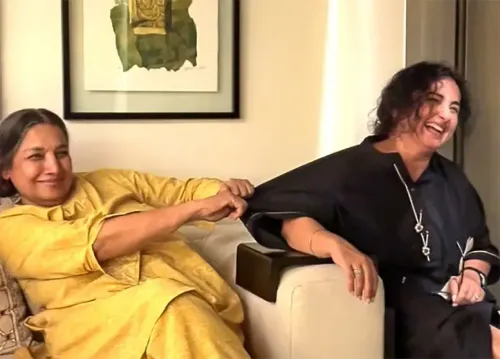
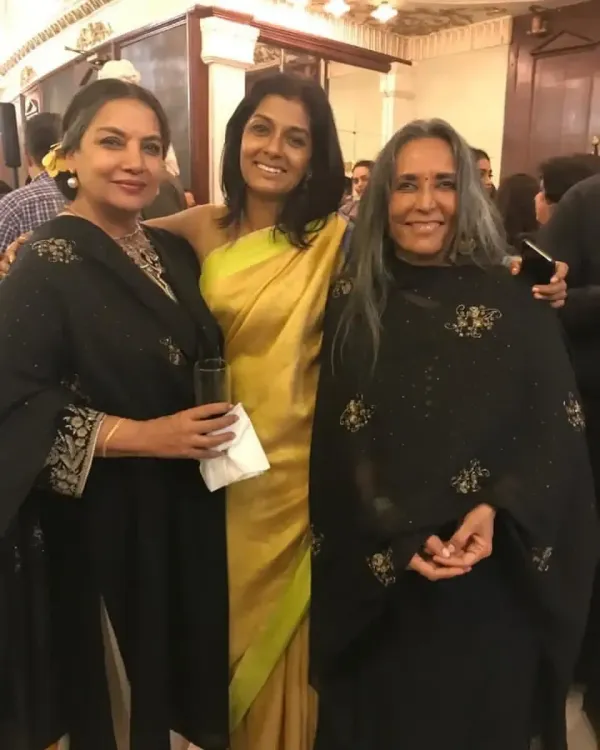
On Saturday, April 26, 2025, Shabana posted a candid photograph on her official Instagram account capturing the trio together. In the image, Shabana Azmi and Deepa Mehta were seen dressed in black outfits, both coincidentally sporting identical dupattas, while Nandita Das stood out elegantly in a vibrant yellow saree.
Nandita Das stood at the centre of the frame with her arms around both her former collaborators, embodying the warmth and bond the trio shares. Shabana captioned the post with characteristic wit: Deepa Mehta and I are wearing identical dupattas by sheer coincidence! Shukr hai Nandita Das is in yellow!
The Legacy of Fire — A Film That Changed Indian Cinema
Fire holds a monumental place in Indian cinematic history as the first installment of Deepa Mehta's Elements Trilogy, followed by Earth (1998) and Water (2005). The trilogy is widely regarded as one of the most significant bodies of work in South Asian cinema.
Loosely inspired by celebrated Urdu writer Ismat Chughtai's 1942 short story Lihaaf (The Quilt), Fire was one of the first mainstream Hindi-language films to openly portray a lesbian relationship, challenging deeply entrenched social taboos in India.
When the film was theatrically released in 1998 in India, it triggered widespread protests by conservative groups, most notably the Shiv Sena, leading to vandalism of cinema halls across major cities. The controversy sparked a crucial national debate around homosexuality, censorship, and freedom of artistic expression — conversations that were considered radical for their time but are now recognized as foundational to India's evolving discourse on LGBTQ+ rights.
Cultural and Historical Significance
It is worth noting that Fire predated Section 377 being struck down by the Supreme Court of India by over two decades. The film's boldness in addressing queer identity in a mainstream format made it a touchstone for LGBTQ+ activists and filmmakers across South Asia.
The reunion of Shabana Azmi, Nandita Das, and Deepa Mehta is more than a nostalgic moment — it is a reminder of how Fire laid the groundwork for more inclusive storytelling in Indian cinema, influencing a generation of filmmakers who followed.
Shabana Azmi's Ongoing Social Media Journey
Known for her deeply personal and reflective social media presence, Shabana Azmi has been regularly sharing cherished memories with her followers. Earlier this month, she posted a rare childhood photograph alongside her brother Baba Azmi and mother, the legendary theatre actress Shaukat Azmi.
In the old image, a young Shabana was seen raising her hands in the air while her brother clung to their mother. She candidly admitted the gesture stemmed from childhood insecurity — a desire to draw attention to herself. She wrote: I remember clearly when this photo was taken at our small room in Red Flag Hall. My younger brother Baba Azmi was clinging to mummy and I put my hands up to cover up my insecurity and draw attention to myself.
What This Reunion Signals for Indian Cinema's Future
As India's OTT platforms and streaming services increasingly greenlight bold, diverse narratives, the legacy of Fire continues to resonate. The reunion of its core creative team serves as a timely reminder that progressive storytelling in Indian cinema has deep roots — and that the conversations Deepa Mehta, Shabana Azmi, and Nandita Das sparked nearly 30 years ago are far from over.
With Deepa Mehta continuing to be active in international cinema and Nandita Das carving a distinguished path as both actress and director, fans and cinephiles will be watching closely to see if this reunion sparks any new collaborative project in the years ahead.
Point of View
Nandita Das, and Deepa Mehta is not merely a celebrity photo-op — it is a cultural milestone that forces us to reckon with how far, and how slowly, India has moved on LGBTQ+ rights since Fire first ignited a national firestorm in 1998. The film's journey — from protests and vandalism to being celebrated as a landmark of progressive cinema — mirrors India's own fractured, uneven progress on social freedoms. What mainstream media misses is that the women behind Fire paid a real price for their courage at a time when speaking about queer identity was not just taboo but dangerous. As India's OTT era enables bolder content, it is worth asking: are today's creators standing on the shoulders of this legacy — or have they forgotten the battle it took to open these doors?
NationPress
16 Sept 2026
Frequently Asked Questions
Who starred in the 1996 film Fire directed by Deepa Mehta?
Fire (1996) starred Shabana Azmi and Nandita Das in the lead roles, directed by Deepa Mehta. The film was part of Mehta's acclaimed Elements Trilogy, alongside Earth (1998) and Water (2005).
Why was the film Fire controversial in India?
Fire was controversial because it was one of the first mainstream Hindi films to depict a lesbian relationship. Its 1998 Indian release triggered violent protests, including vandalism of cinema halls by Shiv Sena members, and sparked a landmark national debate on homosexuality and censorship.
What is Deepa Mehta's Elements Trilogy?
Deepa Mehta's Elements Trilogy consists of three films: Fire (1996), Earth (1998), and Water (2005). Each film explores distinct social and political themes rooted in South Asian history and culture.
What did Shabana Azmi post on Instagram recently?
Shabana Azmi posted a reunion photo with Nandita Das and Deepa Mehta on April 26, 2025, humorously noting that she and Deepa were wearing identical dupattas by coincidence. She also recently shared a rare childhood photo with her brother Baba Azmi and mother Shaukat Azmi.
What story inspired the film Fire?
Fire was loosely inspired by Ismat Chughtai's celebrated 1942 Urdu short story Lihaaf (The Quilt), which itself was controversial for its depiction of female desire and intimacy. Chughtai faced an obscenity trial for the story, making the film's thematic lineage one of literary and cinematic courage.