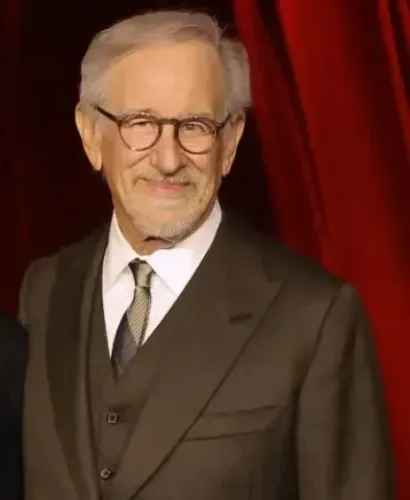
Steven Spielberg Shares Vision to Prevent Hollywood's Decline
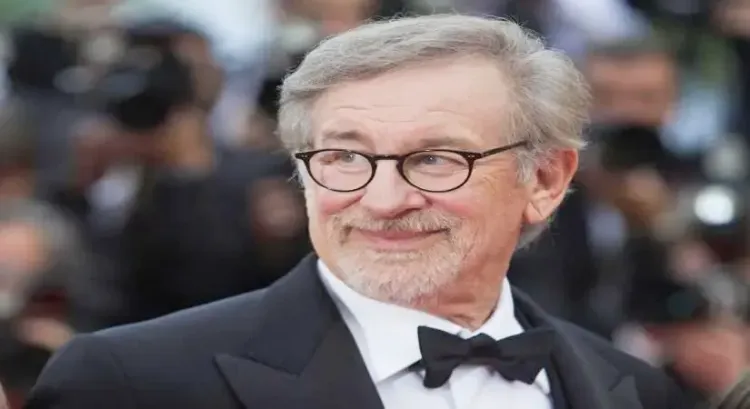
Synopsis
In an inspiring address, Steven Spielberg discusses the future of cinema at CinemaCon, unveiling his exciting new project 'Disclosure Day,' a film that intertwines alien encounters with government secrets. He emphasizes the need for original storytelling in Hollywood to keep the industry vibrant.
Key Takeaways
Steven Spielberg emphasizes the need for original films in Hollywood. 'Disclosure Day' involves alien visitors and government cover-ups.
The film marks Spielberg's comeback to summer blockbusters.
He believes society is more open to the idea of extraterrestrial life.
Investing in creativity is crucial for the future of cinema.
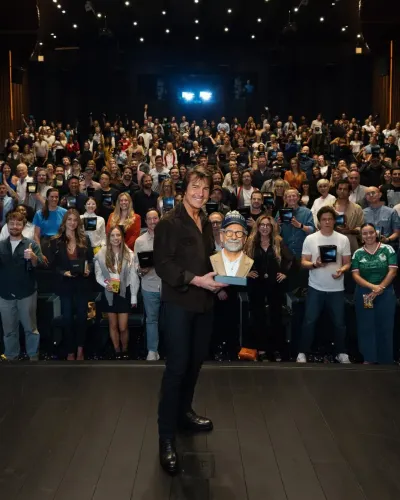
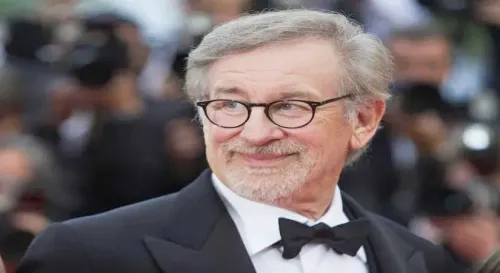
Los Angeles, April 16 (NationPress) Oscar-winning director Steven Spielberg has proposed strategies to secure the future of cinema. Recently, he unveiled the trailer for 'Disclosure Day' at CinemaCon.
This film signifies his return to the summer blockbuster scene after a decade predominantly focused on personal narratives like 'The Fabelmans' and high-profile projects such as 'West Side Story', according to 'Variety'.
While details about the film's storyline remain confidential, it features extraterrestrial visitors and a significant government cover-up regarding their arrival.
As 'Variety' noted, this genre has historically favored Spielberg, leading to iconic films like 'E.T. the Extra-Terrestrial', 'Close Encounters of the Third Kind', and his popular remake of 'War of the Worlds'.
The film boasts a remarkable cast, including Emily Blunt as a weather reporter connected to the alien visitors, Josh O’Connor as an individual possessing proof of contact, and Colin Firth as a villainous bureaucrat intent on silencing them.
Completing the stellar cast are Eve Hewson and Colman Domingo. The screenplay was crafted by David Koepp, renowned for writing 'Jurassic Park'. Spielberg described the film's sci-fi concept as surprisingly realistic.
“I’ve been fascinated since childhood about what lies beyond our skies,” Spielberg expressed. He highlighted the growing acceptance of unidentified flying objects, referring to a 2017 New York Times report about a clandestine Pentagon initiative exploring these enigmatic sightings.
“People are increasingly coming to terms with the likelihood that we are not alone,” he remarked. His belief in the existence of intelligent life has intensified over the nearly 50 years since the debut of 'Close Encounters of the Third Kind' and the upcoming 'Disclosure Day'.
Spielberg emphasized the necessity for studios like Universal to invest in original projects such as 'Disclosure Day', rather than relying on reboots, sequels, and spin-offs.
“If we only produce recognized, branded intellectual properties, we will eventually exhaust our creativity. It is vital to provide audiences with compelling visual narratives, which can take many forms, but we must prioritize original storytelling,” he concluded.
Point of View
Spielberg's insights underscore a critical moment in Hollywood's evolution. His call for original narratives reflects a broader industry concern regarding creativity and sustainability, suggesting a potential shift in how studios approach filmmaking.
NationPress
16 Sept 2026
Frequently Asked Questions
What is 'Disclosure Day' about?
'Disclosure Day' involves extraterrestrial visitors and a government conspiracy to conceal their presence.
Who stars in 'Disclosure Day'?
The film features a star-studded cast, including Emily Blunt, Josh O’Connor, and Colin Firth.
What does Spielberg suggest for Hollywood's future?
Spielberg advocates for investing in original films rather than relying on reboots and sequels.
What is Spielberg's stance on UFOs?
He believes there is increasing evidence of unidentified flying objects and that society is becoming more accepting of the possibility of extraterrestrial life.
What is the significance of 'Disclosure Day'?
'Disclosure Day' represents Spielberg's return to blockbuster filmmaking and highlights the importance of original storytelling in cinema.