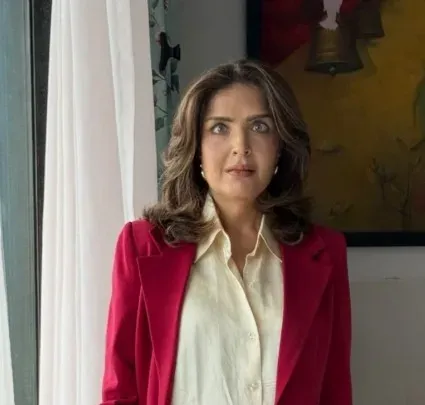
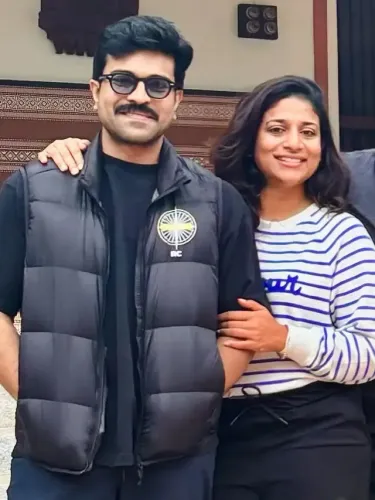
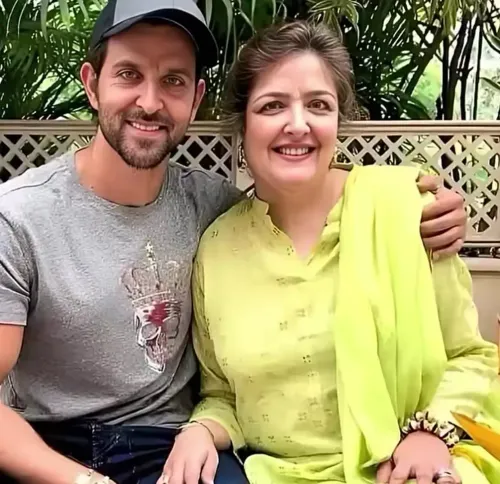
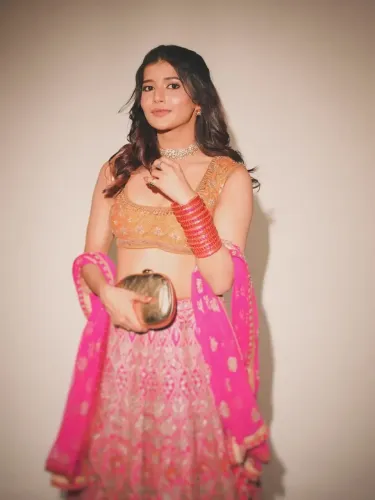
Sreeja Konidela opens up on mental health: 'My identity was shaped by painful past'

Synopsis
Sreeja Konidela — daughter of Megastar Chiranjeevi and sister of Ram Charan — has broken her silence on years of personal pain, describing how she lived trapped in victimhood before choosing to heal. Her candid Instagram video, rooted in a turbulent past that included an elopement, a harassment case, and a divorce, is one of the more unguarded mental health disclosures from an Indian film family in recent memory.
Key Takeaways
Sreeja Konidela , daughter of Chiranjeevi and sister of Ram Charan , shared a candid mental health video on her official Instagram account.
She described being stuck in 'victimhood' for much of her life, with her identity shaped by past pain and struggles.
Sreeja credited a personal development programme — unnamed in the clip — for helping her shift perspective.
At 19 , she eloped with Shirish Bharadwaj in 2007 ; the couple had a daughter, Nivrithi , in 2008 .
She filed a dowry and harassment case in 2011 ; the divorce was finalised in 2014 .
Sreeja Konidela, younger sister of Tollywood star Ram Charan and daughter of Megastar Chiranjeevi, has spoken candidly about her mental health journey, revealing how she allowed her identity to be defined by pain and struggle for much of her life — and how she chose to move beyond it.
What Sreeja Said
In a video shared on her official Instagram account, Sreeja described being trapped in a cycle of self-questioning and victimhood before consciously deciding to heal. 'I was stuck in a space asking, why is this happening to me, and why am I going through so much pain? Why is there a struggle after struggle, and what did I do to deserve this? And in this journey, I moved from that space of victimhood and to understanding that life just doesn't happen to me, but I have the power to create it,' she said in the clip.
She further elaborated on how her sense of self had long been anchored to her hardships. 'For most of my life, I identified myself with my pain, my past, my struggles. To me, my identity was shaped by everything that went wrong in my life. But through this program, I started to see beyond that. Yes, my pain is still a part of me, but that's not all that I am, and there is so much more to a person, and discovering those layers has been one of the most beautiful parts of this journey for me,' she added.
Background: A Turbulent Personal History
Sreeja's candid admission carries the weight of a deeply public personal history. At 19, she eloped with her then 22-year-old boyfriend, Shirish Bharadwaj, in 2007, marrying him in an Arya Samaj ceremony in Hyderabad. The couple even sought media and police protection at the time, citing opposition from her family. Their daughter, Nivrithi Bharadwaj, was born in 2008.
The marriage, however, did not last. In 2011, Sreeja filed a dowry and harassment case against Shirish and his family. Their divorce was finalised in 2014.
Why This Moment Matters
Public conversations around mental health remain relatively rare among Indian film families, where image management often takes precedence. Sreeja's willingness to speak about victimhood, identity, and healing — without deflecting into vague positivity — adds a layer of authenticity that resonates with a growing audience seeking honest dialogue on emotional well-being. Notably, she credited a specific programme for her shift in perspective, though she did not name it in the clip.
The Broader Conversation
Sreeja's post arrives at a time when mental health awareness is gaining momentum in India, with more public figures choosing to share personal struggles rather than project curated resilience. Her account — rooted in lived experience rather than abstraction — is likely to draw attention both for its candour and for the prominent family she belongs to. How the conversation develops from here, and whether she elaborates further on the programme she referenced, remains to be seen.
Point of View
Not just struggle — a meaningful distinction that signals genuine introspection rather than brand-building. That said, her reference to 'this program' without identification leaves a gap: is this a therapeutic journey or a paid endorsement? That ambiguity, if unaddressed, risks undermining the authenticity she is clearly trying to project. For a family that has historically kept personal turbulence private, this is a significant public pivot — and one that will be watched closely.
NationPress
28 Sept 2026
Frequently Asked Questions
What did Sreeja Konidela reveal about her mental health?
Sreeja Konidela revealed in an Instagram video that she spent much of her life defining herself through pain, past struggles, and a sense of victimhood. She said she has since moved toward healing, crediting a personal programme for helping her see beyond her painful identity.
Who is Sreeja Konidela?
Sreeja Konidela is the younger sister of Tollywood actor Ram Charan and the daughter of Megastar Chiranjeevi. She has largely stayed out of the public eye compared to her family but has been known for a turbulent personal history that included an elopement, a dowry case, and a divorce.
What is Sreeja Konidela's personal history?
Sreeja eloped with Shirish Bharadwaj in 2007 at age 19, marrying him in an Arya Samaj ceremony in Hyderabad. The couple had a daughter, Nivrithi, in 2008. In 2011, Sreeja filed a dowry and harassment case against Shirish and his family, and their divorce was finalised in 2014.
Why is Sreeja Konidela's mental health post significant?
Candid mental health disclosures from members of prominent Indian film families are uncommon, making Sreeja's video notable for its directness. She specifically addressed victimhood and identity — themes that go beyond typical celebrity wellness posts — contributing to a broader public conversation about emotional well-being in India.
What programme did Sreeja credit for her healing?
Sreeja referred to 'this program' as the catalyst for her shift in perspective, saying it helped her see beyond her pain-defined identity. However, she did not name the programme in the Instagram video.