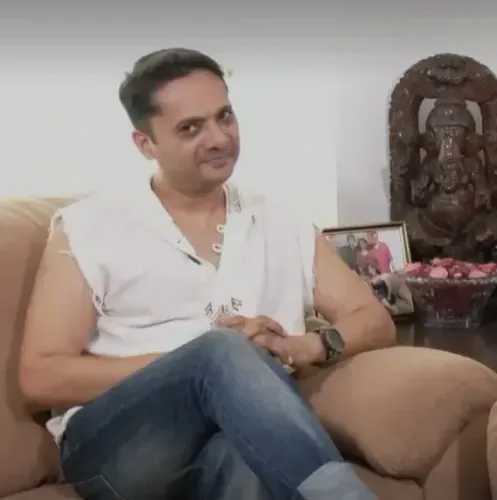
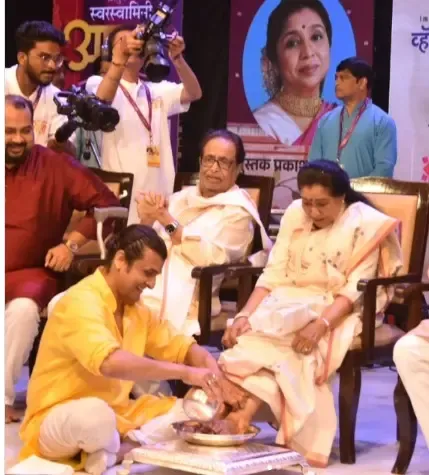
Sudesh Bhosle opens up on why he denied being Asha Bhosle's son, recalls her hurt
Synopsis
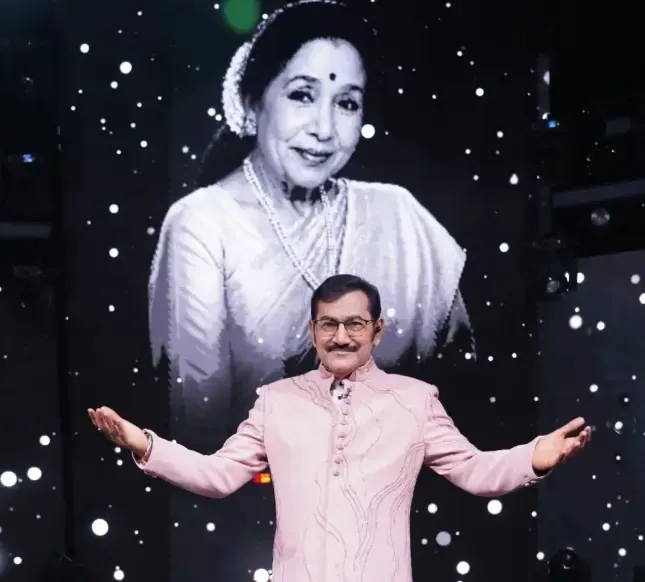
Sudesh Bhosle's appearance on Indian Idol peeled back a three-decade-old layer of the music industry's most poignant untold story. When Asha Bhosle publicly called him her son, he denied it in interviews — a choice that silently fractured their bond until a single honest conversation, tears, and an embrace healed the wound. It's a reminder that even legends carry private hurts.
Key Takeaways
Sudesh Bhosle appeared on Indian Idol to share memories with late singer Asha Bhosle .
In 1986 , after an RD Burman tribute concert in Hong Kong, the two were mistaken for mother and son.
Asha Bhosle later introduced Sudesh as her son on stage, but he publicly denied the claim in interviews.
Asha was deeply hurt by his denials, showing silent disappointment during their joint performances.
The rift ended when Sudesh confronted her, leading to an emotional reconciliation with tears and an embrace.
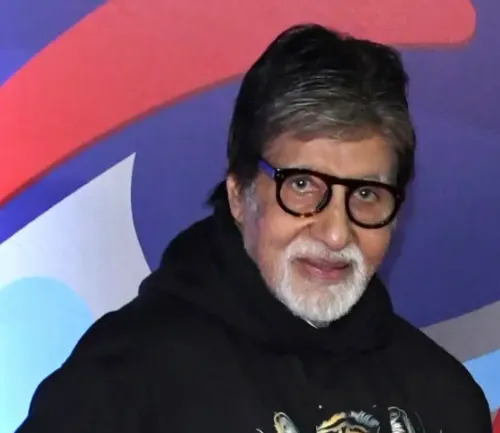
Sudesh Bhosle has a 30-year career as a playback singer, famous for mimicking Amitabh Bachchan 's voice.
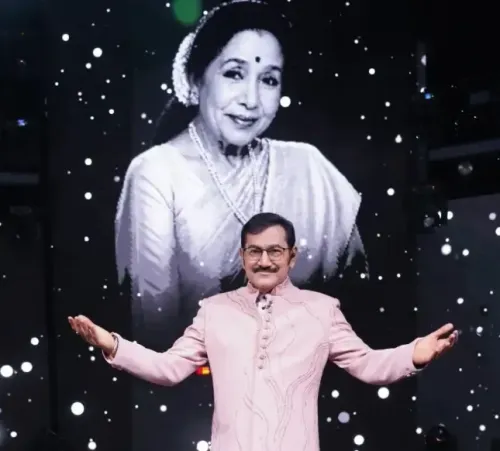
Playback singer Sudesh Bhosle appeared on Indian Idol as a guest to share candid memories with late legendary vocalist Asha Bhosle, revealing the untold story behind decades of speculation about their relationship. During the conversation with host Aditya Narayan, Sudesh recounted how the two singers, despite sharing the same surname, were long rumoured to be mother and son — a claim that would later become a source of emotional tension between them.
The Hong Kong incident that started it all
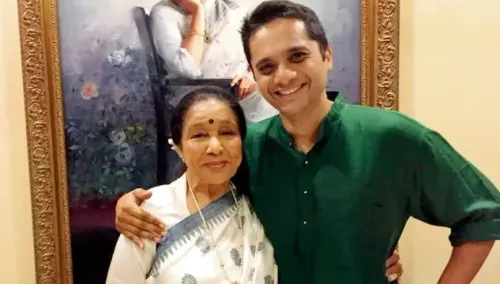
The confusion began in 1986 when Sudesh and Asha Bhosle performed together at an RD Burman tribute concert in Hong Kong. After the show, the Indian Ambassador and audience members approached Asha and asked, "Where had you hidden this son of yours all these years?" Asha politely clarified, "No, no, he is not my son, we just share the same surname." Yet the rumour persisted for years across the music industry.
When Asha called him her son on stage
Years later, during a performance abroad, Asha Bhosle herself introduced Sudesh on stage, saying, "Today I am introducing a young boy to you, here comes my son, Sudesh." When journalists later asked Sudesh about the claim in interviews, he publicly denied it — a decision that would wound Asha deeply. Sudesh explained his reasoning: "When you say it, it shows your greatness. If I say it, people will think I have gone mad."
The silent hurt and reconciliation
Following his public denials, Sudesh noticed Asha Bhosle's demeanour change during their joint performances in India. "Whenever we were performing together, if I sang a song, she would keep looking in my direction, and when I looked at her, she would meet my gaze in a certain way as if hurt and disappointed," he recalled. The tension finally broke when Sudesh confronted her after a show. Asha told him, "I call you my son, and in interviews you say I am not your mother, that's why I am upset with you." The emotional conversation led to tears and an embrace, marking the end of the unspoken rift between them.
About Sudesh Bhosle's career
Sudesh Bhosle is a renowned playback singer with over three decades in the Indian music industry, best known for his ability to mimic actor Amitabh Bachchan's voice in numerous Bollywood films. Among his most iconic songs are 'Jumma Chumma De De' from the 1991 film Hum and 'Meri Makhna Meri Soniye' from Baghban. His versatility and distinctive vocal range have made him a staple of Hindi cinema's golden age of playback singing.
Indian Idol's tribute to Asha Bhosle
Indian Idol is preparing a special tribute episode honouring the legacy of Asha Bhosle, the legendary vocalist who shaped Indian cinema's music landscape across seven decades. The episode featuring Sudesh Bhosle's candid recollections offers fans an intimate glimpse into the personal bonds forged between artists of that era.
Point of View
Yet it reveals the invisible hierarchy of the music industry: legends can claim, but peers must deflect. Asha's hurt wasn't about biology; it was about public acknowledgement and respect. The reconciliation, while moving, also underscores how much unspoken pain lingers in an industry built on public personas and private silences. For a generation that shaped Hindi cinema's golden age, these bonds deserved honesty from the start.
NationPress
18 Sept 2026
Frequently Asked Questions
Why did Sudesh Bhosle deny being Asha Bhosle's son?
Sudesh publicly denied the relationship in interviews because he feared public ridicule, reasoning that if he claimed kinship with Asha, people would think he was being presumptuous. He explained to Asha later: 'When you say it, it shows your greatness. If I say it, people will think I have gone mad.'
When did the confusion about their relationship start?
The confusion began in 1986 after Sudesh and Asha performed together at an RD Burman tribute concert in Hong Kong. The Indian Ambassador and audience members mistook them for mother and son, a rumour that persisted for years.
How did Asha Bhosle react to Sudesh's public denials?
Asha was deeply hurt by Sudesh's denials. During their joint performances in India, she would look at him with a hurt and disappointed gaze. She later told him: 'I call you my son, and in interviews you say I am not your mother, that's why I am upset with you.'
How did Sudesh and Asha reconcile?
After a show in India, Sudesh confronted Asha about her changed behaviour. Her honest explanation of her hurt led to an emotional conversation where tears welled up in her eyes, and she hugged him, marking the end of their unspoken rift.
What is Sudesh Bhosle known for in Bollywood?
Sudesh Bhosle is a playback singer with over 30 years in the industry, best known for his ability to mimic actor Amitabh Bachchan's voice. He sang iconic songs like 'Jumma Chumma De De' from Hum (1991) and 'Meri Makhna Meri Soniye' from Baghwan.