Sumbul Touqeer on TV's gruelling schedules: Rest is vital for mental health
Synopsis
Sumbul Touqeer's candid take on television's gruelling production schedules cuts deeper than typical industry complaints. She's flagging not just fatigue, but a structural mismatch: TV's old storytelling formulas are colliding with OTT-shaped audience tastes, and performers are caught in the middle—physically drained and creatively constrained.
Key Takeaways
Actress Sumbul Touqeer highlighted the physical and mental exhaustion caused by long working hours in television production.
She stressed that adequate rest and recovery time are essential after extended shifts to prevent burnout.
Sumbul called for television storytelling to evolve and adapt to changing audience preferences and OTT platform competition.
She denied facing unfair treatment on set but signalled willingness to speak out if issues arose.
The 'Imlie' star reflected on her personal evolution from introverted newcomer to more extroverted performer, with shifts tied to roles and Bigg Boss 16 participation.
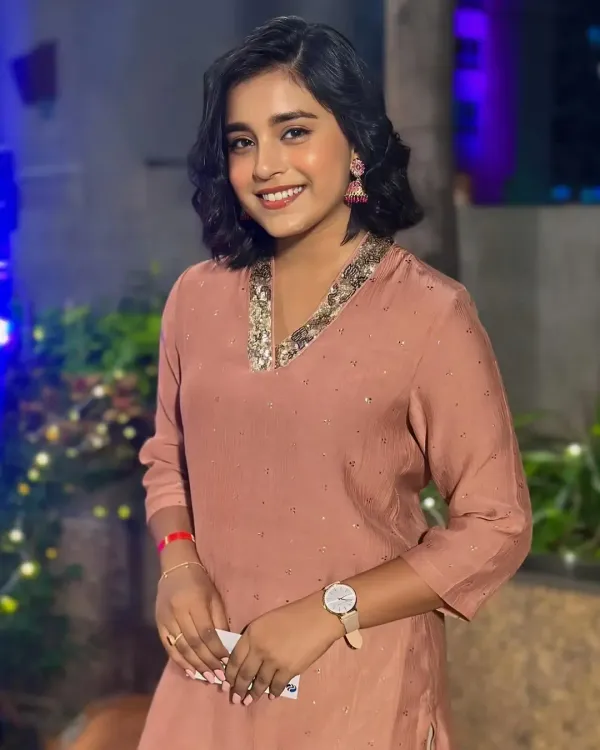
Actress Sumbul Touqeer has opened up on the physical and mental toll of long working hours in television, emphasising the critical need for adequate recovery time between shoots. Speaking in an exclusive interaction, the 'Imlie' star revealed that the relentless pace of daily production — combining performance, memorisation, and sustained focus — leaves performers drained without proper rest cycles.
The toll of extended shifts
"I have experienced long working hours in almost every show," Sumbul said. "It gets very hectic—physically and mentally exhausting. You are constantly performing, memorizing lines, and staying focused." She underscored that when work extends beyond standard hours, recovery becomes non-negotiable. "If you are working extra hours, it is important to get proper rest afterward to recharge," she added, highlighting a pattern that affects performers across the television industry.
On-set treatment and workplace conditions
When asked whether she had encountered unfair treatment during shoots, Sumbul denied having faced such issues directly. However, she signalled openness to speaking out if problems arose. "If it ever happens, I will definitely talk about it," she said, suggesting that transparency around workplace grievances remains limited in the sector.
Television storytelling at a crossroads
Sumbul also flagged the need for television's narrative formats to evolve in response to changing audience preferences and the rise of streaming platforms. "Change should be constant," she stated. "As time moves forward, storytelling patterns must evolve as well. We cannot keep presenting the same content repeatedly. If there is scope for improvement in television storytelling, it should definitely be explored." Her remarks reflect broader industry concerns about television's relevance amid OTT competition.
Personal and professional evolution
Reflecting on her own journey since entering the industry, Sumbul described a marked shift in her personality and work approach. She acknowledged becoming significantly more extroverted over time, though her temperament has fluctuated with career transitions. "When I first entered the industry, I was quite introverted. I didn't speak much and was very shy," she recalled. "During Imlie, I became quite extroverted, but after Bigg Boss 16, I turned a little reserved again. Right now, I would say I am somewhere in between—it really depends on my mood." Her candour underscores how high-profile roles and reality television appearances reshape performers both professionally and personally.
Point of View
Linear-TV audience. That model is fracturing as viewers migrate to OTT. Yet TV producers have not fundamentally redesigned work cycles or storytelling depth to compete. Performers like Sumbul are paying the price: exhausted, creatively constrained, and aware that the industry's old playbook no longer works.
NationPress
24 Sept 2026
Frequently Asked Questions
What did Sumbul Touqeer say about long working hours in television?
Sumbul Touqeer stated that long working hours in television are physically and mentally exhausting, requiring performers to constantly memorise lines, perform, and maintain focus. She emphasised that proper rest and recovery time after extended shifts are essential to recharge and prevent burnout.
Has Sumbul Touqeer faced unfair treatment on set?
Sumbul Touqeer denied having experienced unfair treatment during her television work. However, she indicated that if such issues ever occurred, she would speak out about them openly.
What does Sumbul Touqeer think about television storytelling?
Sumbul Touqeer believes television storytelling needs to evolve to match changing audience tastes and the rise of OTT platforms. She argued that repeating the same narrative patterns is unsustainable and that the industry should explore improvements and fresh approaches.
How has Sumbul Touqeer evolved as a performer and person?
Sumbul Touqeer described her evolution from an introverted, shy newcomer to a more extroverted performer during her time on 'Imlie'. She noted that her appearance on 'Bigg Boss 16' caused her to become more reserved again, and she now describes herself as somewhere between extroverted and introverted, depending on her mood.