Sunil Dutt's 97th birth anniversary: His timeless plea for national unity
Synopsis
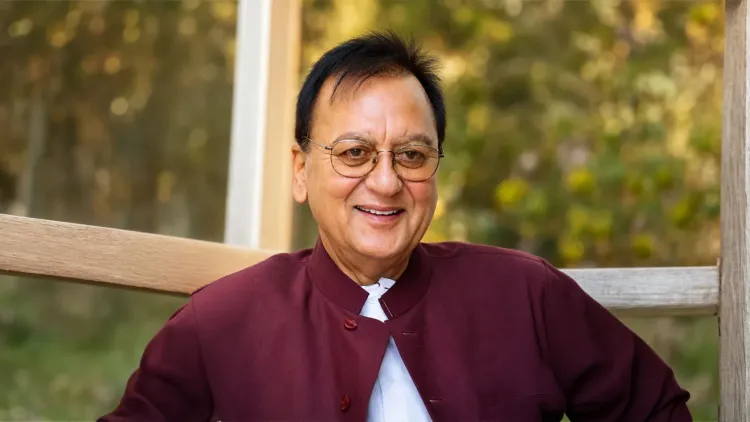
On Sunil Dutt's 97th birth anniversary, a Prasar Bharati archival interview has resurfaced in which the actor-politician warned Indians against those who exploit emotions for selfish ends. His words — celebrating diversity as India's 'greatest treasure' while cautioning against manufactured division — feel less like a relic and more like a live dispatch.
Key Takeaways
6 June marks the 97th birth anniversary of actor, politician and humanitarian Sunil Dutt , born in 1929 .
An archival Prasar Bharati interview has resurfaced in which Dutt urged Indians to resist those who exploit emotions for selfish interests .
Dutt called India's plurality of religions, languages, and traditions its 'greatest treasure.' He made his acting debut in 1955 and rose to iconic status with 'Mother India' in 1957 .
He later served as a Member of Parliament and Union Minister , and passed away on 25 May 2005 at age 75 .
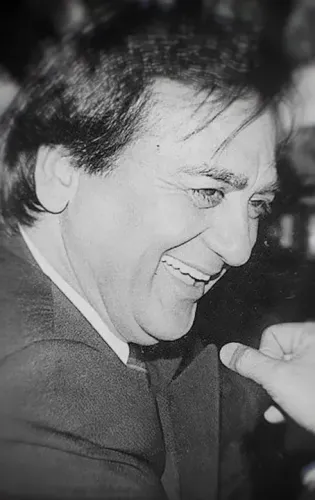
On the occasion of his 97th birth anniversary on 6 June, an archival interview of legendary actor, politician and humanitarian Sunil Dutt has resurfaced, in which he passionately urged Indians to reject divisive forces and protect the emotional fabric that binds the nation together. The interview, originally recorded with Prasar Bharati, captures Dutt at his most reflective — speaking not as a film star, but as a citizen deeply invested in India's unity.
The Message: Unity Over Selfish Interests
In the archival footage, Dutt spoke with conviction about how India's diversity is held together by shared emotions — and how certain elements attempt to weaponise those very sentiments. 'Even today, if our country is tied to each other, then it is through the thread of our emotions. In that thread, we have fought many battles. Sometimes there are people who try to provoke those emotions. I would say such people take our emotions in the wrong direction for their own selfish interests. My only request to them is that they stay away from doing so. Our innocent brothers and sisters die, and at least keeping them and the country in mind, people should not be misled,' Dutt said.
His words carry a weight that transcends the era in which they were spoken — a reminder that the threat of manufactured division is not new to India, and that its antidote has always been civic consciousness.
Celebrating India's Diversity as Its Greatest Strength
Dutt also reflected on what makes India distinctive among nations — its plurality of religions, languages, customs, and folk traditions. Rather than viewing this complexity as a fault line, he celebrated it as the country's most defining asset. 'The world says that our country has different religions, different languages, different clothes, different customs and different folk traditions. I believe this diversity is the greatest treasure of our country,' he said in the same Prasar Bharati interview.
This perspective, voiced decades ago, remains strikingly relevant as debates around cultural identity and social cohesion continue to shape India's public discourse.
From Radio Booth to Red Carpet: A Life of Purpose
Born on 6 June 1929, Sunil Dutt began his professional life as a radio announcer before transitioning to cinema. He made his acting debut with the 1955 film 'Railway Platform' and achieved iconic status with 'Mother India' in 1957. Over the following decades, he delivered acclaimed performances in films including 'Sujata', 'Mujhe Jeene Do', 'Waqt', 'Padosan', 'Reshma Aur Shera', and 'Munna Bhai M.B.B.S.', among others.
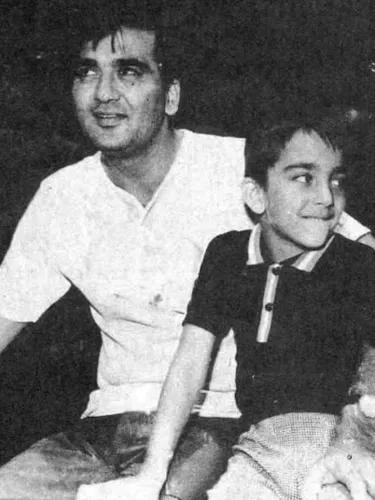
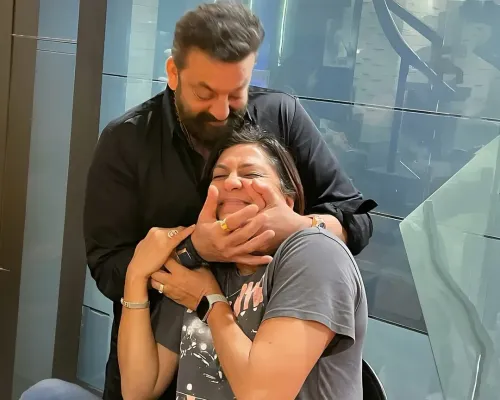
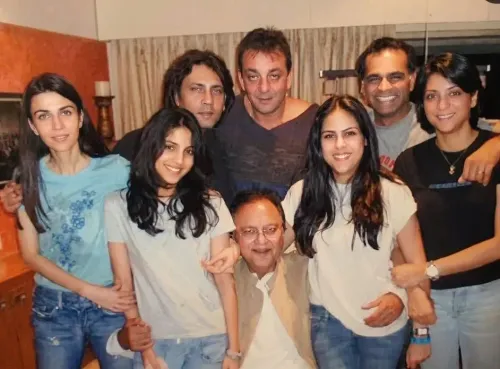
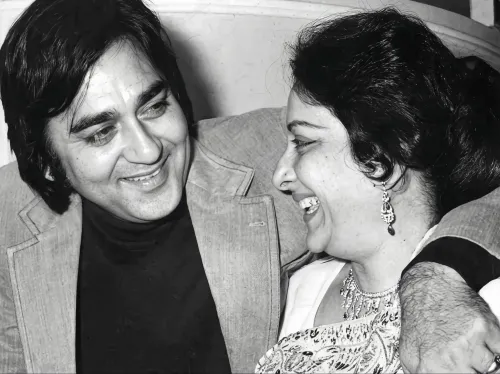
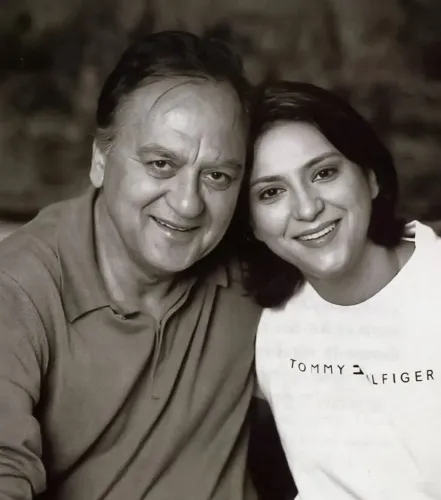
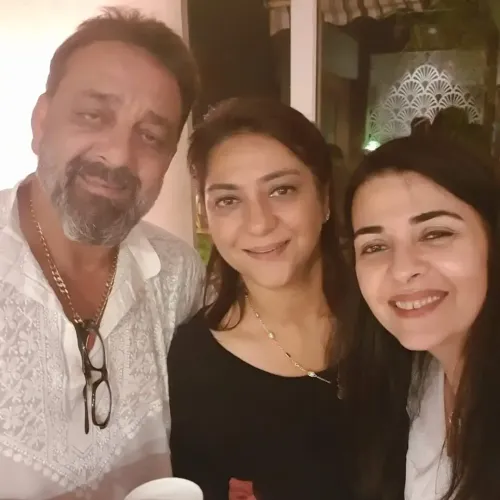
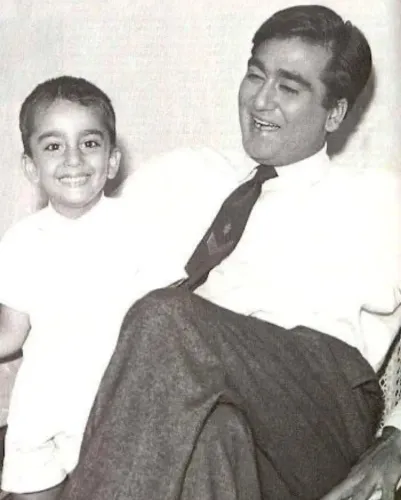
It was on the sets of 'Mother India' that Dutt reportedly grew close to actress Nargis, who played his mother in the film. The two married in 1958 and remained devoted to each other until Nargis' passing in 1981. Together, they had three children: actor Sanjay Dutt, former Member of Parliament Priya Dutt, and Namrata Dutt.
The Politician and the Humanitarian
Beyond cinema, Sunil Dutt served as a Member of Parliament and later as a Union Minister, bringing the same commitment to public service that defined his personal life. He was widely recognised for placing humanitarian causes above political or religious affiliations — a consistency that earned him respect across party lines and communities.
Dutt passed away on 25 May 2005 following a heart attack, at the age of 75. As India marks his 97th birth anniversary, his call to guard the nation's unity against the pull of narrow interests endures as both a tribute and a challenge to the present generation.
Point of View
But its resonance is less about nostalgia and more about how little the underlying anxiety has changed. The warning against 'people who take emotions in the wrong direction for selfish interests' was not abstract in 1957, and it is not abstract now. What is notable is that Dutt delivered this message not from a political podium but in a quiet broadcast interview — which is precisely why it still lands. India has no shortage of unity speeches; it has a shortage of credible voices delivering them.
NationPress
21 Oct 2026
Frequently Asked Questions
Why is Sunil Dutt's interview trending on his birth anniversary?
An archival Prasar Bharati interview of Sunil Dutt has resurfaced on 6 June, his 97th birth anniversary, in which he passionately urged Indians to reject divisive forces and protect national unity. The clip is being widely shared for its continued relevance to contemporary debates about social cohesion.
What did Sunil Dutt say about national unity in the Prasar Bharati interview?
Dutt said India remains bound by the 'thread of emotions' and warned against those who exploit those emotions for selfish interests, leading to the deaths of 'innocent brothers and sisters.' He also called India's religious and cultural diversity its 'greatest treasure.'
When was Sunil Dutt born and when did he pass away?
Sunil Dutt was born on 6 June 1929 and passed away on 25 May 2005 following a heart attack, at the age of 75.
What were Sunil Dutt's most notable films?
Sunil Dutt is best remembered for 'Mother India' (1957), widely considered one of Indian cinema's greatest films. His other notable works include 'Sujata', 'Mujhe Jeene Do', 'Waqt', 'Padosan', 'Reshma Aur Shera', and 'Munna Bhai M.B.B.S.'
Who are Sunil Dutt's children?
Sunil Dutt and actress Nargis, who married in 1958, had three children: actor Sanjay Dutt, former Member of Parliament Priya Dutt, and Namrata Dutt.