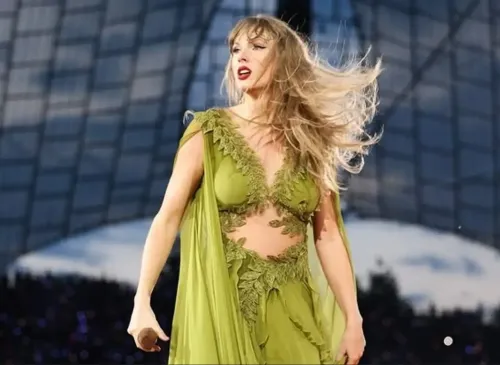
Taylor Swift on 'Love Story': defying parental doubt at 17 to write a No. 1 hit
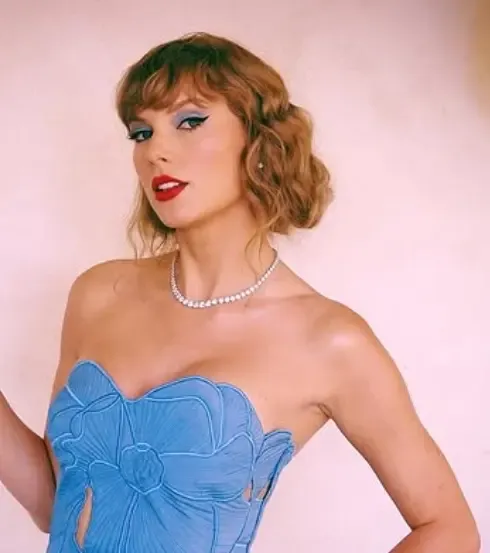
Synopsis
Swift's 'Love Story' wasn't just a love song — it was an act of teenage rebellion that her parents inadvertently catalysed. At 17, confined to her bedroom for refusing parental dating rules, she wrote a song that would define her career. Her revelation underscores a paradox: constraint breeds creativity, and the intensity of youth is an irreplaceable artistic asset.
Key Takeaways
Taylor Swift wrote 'Love Story' at age 17 while confined to her bedroom after her parents refused to let her date an older boy.
She told The New York Times that the song emerged when she first felt "I don't care if people hate this because I love it so much." Swift joked that parental discipline can inadvertently produce chart-topping hits, as her song went to No.
In 2010 , she dated actor Jake Gyllenhaal (nearly 10 years her senior ) and later wrote 'All Too Well' about the breakup.
She credited youth's intense emotional clarity as the secret to her early songwriting power, noting that personal conviction often aligns with commercial success — sometimes years later.
Pop icon Taylor Swift has revealed how her breakthrough anthem 'Love Story' emerged from teenage rebellion and creative conviction. Speaking to The New York Times, the singer-songwriter traced the song's origin to age 17, when she was confined to her bedroom after her parents refused to permit her to date an older boy — a restriction she now acknowledges was justified.
The spark behind the hit
Swift recalled the moment she decided to channel her frustration into songwriting, abandoning concern for critical reception in favour of emotional authenticity. "I think the first time I felt I don't care if people hate this because I love it so much was when I wrote the song 'Love Story' when I was 17, sitting in my bedroom, mad at my parents because they wouldn't let me go on a date with a guy who was too old so I shouldn't have been on a date with him anyway," she told the publication, according to People magazine.
A lesson in parental discipline
Swift added a tongue-in-cheek observation about her parents' decision-making: "And this is why you need to discipline your kids because they might write songs that go (to) Number 1." The quip underscores how constraint, rather than creative freedom, can paradoxically fuel artistic breakthroughs — a pattern that would define her songwriting trajectory across decades.
Personal experience as creative fuel
The connection between Swift's lived experiences and her chart-topping output is well-documented. In 2010, she dated actor Jake Gyllenhaal, who was nearly 10 years her senior, later channelling the breakup into the heartbreak anthem 'All Too Well'. While Swift remains attentive to fan theories about her work, she has consistently resisted allowing public perception to dictate her creative choices.
Conviction over consensus
Swift elaborated on her philosophy of artistic independence, noting that her personal investment in a song often aligns with its commercial reception — though not always immediately. "Oftentimes when I love it to a certain degree, that tends to match up with people. And it could be that it doesn't match up with the way people feel 'til six years later," she shared. She cited her 2017 album Reputation as a case study, recalling her defiant stance toward detractors: "I loved the 'Reputation' album. I was like, 'You guys say what you want. I know what I did. I love it. Go with God. Sorry. You can come around if you want. It's OK if you don't'."
The intensity of youth
Swift attributed her songwriting potency to the heightened emotional clarity of adolescence. "I have this very strong opinion that when you're young you feel things on such an intense and detailed level," she said. This observation frames her early work not as youthful angst but as a distinctive artistic asset — a window into emotional granularity that adult experience often dulls. As she has continued to evolve, that foundational conviction in her own instincts has remained her creative north star.
Point of View
Not maturity's wisdom, as her competitive edge. That's a dangerous admission in an industry obsessed with reinvention and growth. Yet it also explains why her re-recordings ('Taylor's Version') have resonated so powerfully — audiences sense the authenticity baked into those original recordings, unfiltered by the calculus of commercial palatability.
NationPress
19 Sept 2026
Frequently Asked Questions
What inspired Taylor Swift to write 'Love Story'?
Swift wrote 'Love Story' at age 17 while confined to her bedroom after her parents refused to let her date an older boy. The song emerged as an act of creative defiance, channelling her frustration into a track she loved so intensely that she stopped worrying about critical reception.
When did Taylor Swift date Jake Gyllenhaal?
Swift dated actor Jake Gyllenhaal in 2010; he was nearly 10 years her senior. She later wrote the breakup anthem 'All Too Well' about their split, which she has since re-recorded as part of her 'Taylor's Version' releases.
What did Swift say about the 'Reputation' album?
Swift revealed she loved the 2017 'Reputation' album and adopted a defiant stance toward detractors, telling critics: "You guys say what you want. I know what I did. I love it. Go with God. Sorry. You can come around if you want. It's OK if you don't."
Does Taylor Swift believe commercial success always matches personal creative conviction?
Not immediately. Swift noted that while her personal investment in a song often aligns with its reception, the timing can vary. "It could be that it doesn't match up with the way people feel 'til six years later," she said, citing 'Reputation' as an example.