Ajay Devgn urged Mahima Chaudhry to see plastic surgeon after accident
Synopsis
Mahima Chaudhry's on-set car crash during Dil Kya Kare left glass shards embedded in her face — and it was Ajay Devgn, then the film's producer, who insisted she see a plastic surgeon rather than settle for a routine stitch-up. Mahima credits that single decision with protecting both her face and her fledgling career.
Key Takeaways
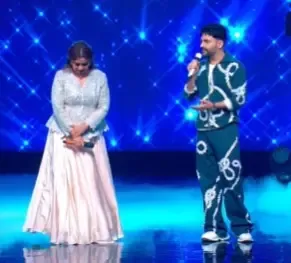
Mahima Chaudhry named Ajay Devgn her most caring co-star on The Kapil Sharma Show .
During the shoot of Dil Kya Kare in Bengaluru , her car collided with a milk truck, leaving glass shards in her face.
Ajay Devgn insisted she consult a plastic surgeon rather than receive routine treatment.
Mahima asked both Devgn and director Prakash Jha to keep the accident secret, fearing career damage.
Dil Kya Kare was produced by Veeru Devgan and Veena Devgan , directed by Prakash Jha , and was Mahima's second lead role after Pardes .
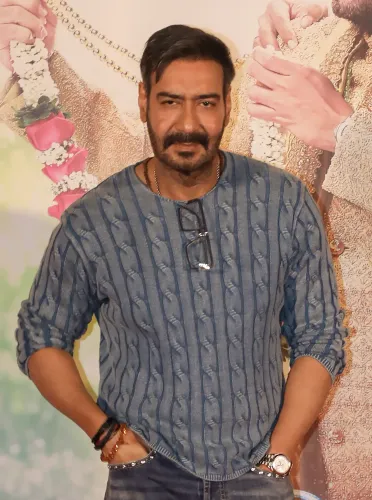
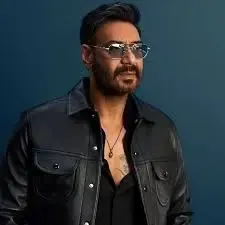
Actress Mahima Chaudhry has named Ajay Devgn as her most caring co-star, crediting him with a decision that she says helped save her face — and possibly her career — after a near-devastating road accident during the filming of Dil Kya Kare in Bengaluru.
What Mahima Said on The Kapil Sharma Show
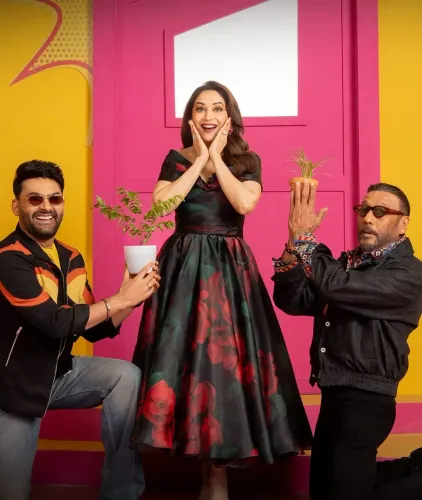
Speaking on The Kapil Sharma Show, when host Kapil Sharma asked her to name her most supportive co-star, Mahima did not hesitate. 'He was the producer of the film when I had the accident, and he took me to the right person,' she said of Devgn. 'You know, otherwise, any other producer during our times, they would have just said go and all that. I would have gotten my face stitched from anyone, but he said that you have to go to a plastic surgeon.'
The Accident That Changed Everything
During the shoot of Dil Kya Kare in Bengaluru, Mahima Chaudhry's car collided head-on with a milk truck travelling in the wrong direction. The impact shattered the vehicle's windows, sending glass shards into her face and leaving her severely injured. The incident occurred while she was still in the early stages of her film career.
Devgn and Jha Kept the Accident Secret
In a separate media interaction, Mahima revealed that both Ajay Devgn and director Prakash Jha were pillars of support during her recovery. She disclosed that she had personally requested them to keep the accident out of the press, fearing that news of her injuries would derail her career before it had truly begun. Both reportedly honoured her request.
About Dil Kya Kare and Mahima's Early Career
Dil Kya Kare was directed by Prakash Jha and produced by Veeru Devgan and Veena Devgan. The family drama featured Ajay Devgn, Kajol, Mahima Chaudhry, and Chandrachur Singh in the lead roles. The film was Mahima's second outing as a lead actress, following her debut in Pardes — directed by Subhash Ghai and starring Shah Rukh Khan — which had launched her into Bollywood. Devgn's intervention at such a critical juncture, according to Mahima, made a lasting impression that she carries to this day.
Point of View
The default response to an on-set injury was speed and discretion, not quality of care. Devgn's insistence on a plastic surgeon was, by her own telling, the exception rather than the rule. That a veteran actor-producer's intervention was the deciding factor in her recovery points to a systemic gap that the industry has still not formally addressed through standardised on-set medical protocols.
NationPress
1 Oct 2026
Frequently Asked Questions
Why does Mahima Chaudhry consider Ajay Devgn her most caring co-star?
Mahima Chaudhry credits Ajay Devgn for insisting she see a plastic surgeon after a serious road accident during the filming of Dil Kya Kare left glass shards embedded in her face. She has said he went beyond what most producers of that era would have done.
What happened to Mahima Chaudhry during the filming of Dil Kya Kare?
Her car collided with a milk truck travelling in the wrong direction during the shoot in Bengaluru. The crash shattered the car's windows and glass shards pierced her face, leaving her severely injured.
Who directed and produced Dil Kya Kare?
Dil Kya Kare was directed by Prakash Jha and produced by Veeru Devgan and Veena Devgan. The film starred Ajay Devgn, Kajol, Mahima Chaudhry, and Chandrachur Singh.
Why did Mahima Chaudhry keep her accident a secret?
Mahima has revealed she feared that news of her injuries becoming public would damage her career, which was still in its early stages. She personally asked Ajay Devgn and Prakash Jha to keep the incident out of the press, and they reportedly agreed.
What was Mahima Chaudhry's debut film?
Mahima Chaudhry made her Bollywood debut in Pardes, directed by Subhash Ghai and starring Shah Rukh Khan. Dil Kya Kare was her second film as a lead actress.