Wicked Actress Marissa Bode Denied Flight Boarding Due to Wheelchair
Synopsis
Wicked actress Marissa Bode, a wheelchair user, was denied boarding on a Southern Airways flight because she couldn't climb stairs. The airline legally operates under an Air Carrier Access Act exemption for small carriers. Her viral TikTok has reignited fierce debate over disability discrimination and outdated aviation accessibility laws in the U.S.
Key Takeaways
Marissa Bode , star of 'Wicked' , was denied boarding on a Southern Airways flight because she uses a wheelchair and could not climb the aircraft's stairs.
Gate staff asked Bode if she could stand, and upon her saying no, immediately denied her boarding — a moment she described as 'blatant segregation' .
Southern Airways' contract of carriage legally requires passengers to ascend and descend stairs to board its aircraft.
The airline is exempt from providing mechanical boarding lifts under the Air Carrier Access Act because its planes carry 28 or fewer passengers .
Bode shared the incident in a viral TikTok video , sparking widespread outrage and renewed calls for reform of U.S. aviation disability laws.
Disability rights advocates are expected to use this high-profile case to push for closure of the small-carrier exemption loophole in federal aviation law.
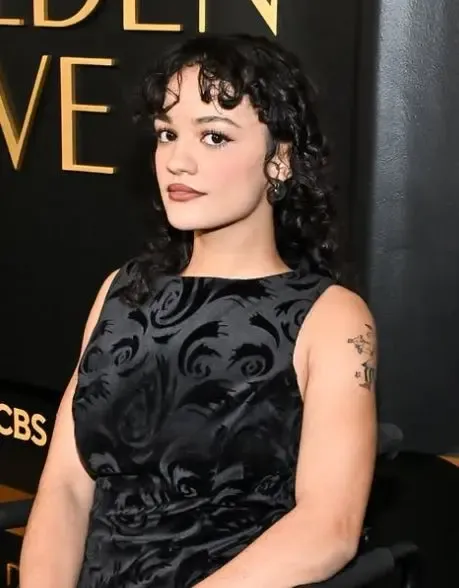
Marissa Bode, the Hollywood actress celebrated for her role in the blockbuster musical 'Wicked', has publicly spoken out about a deeply troubling incident of disability discrimination she experienced while attempting to board a Southern Airways flight. The actress, who uses a wheelchair, revealed in a viral TikTok video that she was refused boarding because the airline's aircraft require passengers to climb stairs — an accommodation that made her travel impossible. The incident has reignited a national conversation in the United States about accessibility rights and systemic discrimination against differently-abled individuals in the aviation sector.
What Happened at the Gate
According to Variety, Bode was traveling to Pennsylvania when she encountered difficulty locating her virtual boarding pass at the airport gate. When she requested assistance from the gate crew, the situation took an unexpected and distressing turn.
The actress recounted the exchange directly: "So I got to the gate, and I was like, 'Hey, could you help me locate my boarding pass?' And the two people at the gate look at me, and they are like, 'Can you stand?' And I said, 'No'. And they said, 'I'm sorry, but because of that, we're going to have to deny you boarding.'"
Bode further described how staff explained that all aircraft within the Southern Airways fleet require passengers to ascend and descend stairs to board — a structural reality that renders them inaccessible to wheelchair users.
Marissa Bode Calls It 'Blatant Segregation'
Bode did not mince words in her response to the incident. She stated, "I was denied boarding a flight because I'm disabled. I wish that were clickbait. I wish that were false, but that is what happened."
The actress expressed her frustration with an industry that she believes continues to treat disabled passengers as an afterthought. She said, "Disabled people are not an afterthought. Why, knowing that disabled people exist — which y'all clearly often forget — do you choose not to update your planes? This is blatant segregation."
Her words resonated widely across social media platforms, with thousands of users sharing the video and expressing solidarity with her experience.
The Legal Loophole Southern Airways Is Using
Southern Airways' contract of carriage explicitly states that "customers must be able to ascend and descend several steps to board the aircraft." This policy is not merely an operational oversight — it is a written contractual condition.
Crucially, because Southern Airways operates aircraft with 28 or fewer passengers, it is legally exempt from providing mechanical boarding lifts under the Air Carrier Access Act (ACAA) — a federal law that otherwise mandates accessibility accommodations for disabled travelers.
This exemption effectively creates a legal blind spot that allows small regional carriers to operate without the accessibility standards required of larger airlines, leaving wheelchair users with no recourse when booking with such carriers.
Broader Pattern of Disability Discrimination in Aviation
This is far from an isolated incident. Disability rights advocates have long flagged the aviation industry's inconsistent treatment of differently-abled passengers. Reports of damaged wheelchairs, denied boarding, and inadequate assistance have surfaced repeatedly across major and regional U.S. carriers in recent years.
Notably, the U.S. Department of Transportation received thousands of disability-related complaints from airline passengers in 2023 alone — a figure that critics argue reflects deep structural failures rather than isolated lapses. The ACAA's small-carrier exemption, in particular, has been criticized by disability advocacy groups as an outdated provision that enables systemic exclusion.
Bode's public profile as a Wicked star — a film that itself carries themes of marginalization and belonging — adds a layer of irony that has amplified the story's cultural resonance.
Impact and What Comes Next
The incident raises urgent questions about whether federal aviation accessibility laws are fit for purpose in 2025, particularly as regional air travel expands in the United States. Disability rights organizations are expected to use Bode's high-profile case to push for legislative reform to close the small-carrier exemption loophole in the Air Carrier Access Act.
Bode herself has not announced any legal action as of now, but her viral TikTok has already prompted a broader public debate. Advocacy groups are calling on the U.S. Congress to revisit and modernize the ACAA to ensure no airline — regardless of fleet size — can legally deny boarding to wheelchair users.
As this story continues to gain traction globally, it may well become a pivotal moment for disability rights legislation in the American aviation sector — and a reminder that representation on screen must be matched by dignity off it.
Point of View
But urgent Congressional action to ensure that no federal law in America can legally sanction the exclusion of disabled citizens from public transportation.
NationPress
18 Sept 2026
Frequently Asked Questions
Why was Marissa Bode denied boarding on her flight?
Marissa Bode was denied boarding a Southern Airways flight because she uses a wheelchair and could not climb the stairs required to board the aircraft. The airline's contract of carriage mandates that all passengers must be able to ascend and descend steps to board.
Which airline denied Marissa Bode boarding?
Southern Airways denied Marissa Bode boarding on her flight to Pennsylvania. The regional carrier operates small aircraft that require passengers to use stairs, making them inaccessible to wheelchair users.
Is it legal for airlines to deny boarding to wheelchair users?
Under the Air Carrier Access Act, airlines with aircraft carrying 28 or fewer passengers are exempt from providing mechanical boarding lifts. This legal loophole allows small regional carriers like Southern Airways to deny boarding to wheelchair users without violating federal law.
What did Marissa Bode say about the incident?
Marissa Bode called the denial 'blatant segregation' and said disabled people are 'not an afterthought.' She shared her experience in a viral TikTok video, expressing frustration that airlines continue to operate planes inaccessible to wheelchair users.
What is the Air Carrier Access Act and how does it affect disabled passengers?
The Air Carrier Access Act is a U.S. federal law that prohibits discrimination against disabled airline passengers and mandates accessibility accommodations. However, it exempts small carriers operating aircraft with 28 or fewer seats from providing mechanical boarding lifts, a provision critics call outdated and discriminatory.