10 dead in Nagaland's Tuensang after suspected spurious liquor; statewide advisory issued

Synopsis
Ten people have died in Nagaland's Tuensang — a dry state since 1989 — with spurious liquor suspected in nine cases. Police found that some victims bought liquor from premises belonging to a family that also lost three of its own members. Despite a total prohibition law, around 470 bottles of illicit liquor were seized in raids, and local residents suggest the true toll may be even higher.
Key Takeaways
10 people died in Tuensang, Nagaland between 10–12 September 2026 ; spurious liquor is suspected in 9 of the deaths .
Three victims were members of the same family, from whose premises liquor was reportedly purchased by other deceased.
Post-mortem examinations were not conducted in most cases as funerals had already taken place before police detected the pattern.
Raids across Tuensang and Chendang Saddle resulted in the seizure of approximately 470 bottles of IMFL and beer cans.
The Excise and Prohibition Department issued a statewide advisory; the Nagaland Liquor Total Prohibition Act, 1989 bans all liquor activity in the state.
Congress demanded investigation, accountability, and immediate ex-gratia compensation for bereaved families.
At least 10 people have died in Tuensang, a district in the prohibition-governed state of Nagaland, with spurious liquor consumption suspected as the cause in nine of the deaths between 10 and 12 September 2026. The state's Excise and Prohibition Department has issued a statewide public advisory urging citizens to refrain from consuming liquor of unknown or doubtful origin.
What Happened in Tuensang
Tuensang police received reports on 12 September regarding a pattern of deaths involving individuals who had been admitted to Tuensang Civil Hospital. Preliminary enquiries revealed that in most cases, the deceased had reportedly consumed liquor before developing symptoms including blurred vision, severe headache, dizziness, nausea, and vomiting.
Among those who died, three were members of a single family — the same family from whose premises liquor was reportedly purchased by some of the other victims. A tenth death, involving a person described as a family member of a liquor seller, is being investigated separately as a case of suicide.
Although spurious or adulterated liquor is the primary suspected cause, police have clarified that this cannot be scientifically or conclusively established at this stage. Forensic and scientific procedures are being undertaken as part of the ongoing investigation.
Post-Mortem Gap and Unreported Deaths
A significant investigative hurdle has emerged: post-mortem examinations were not conducted in most of the cases, as the mortal remains had already been taken for funerals before police became aware of the pattern. This has complicated efforts to conclusively determine cause of death.
Local media reports, citing residents, have suggested the actual death toll could be higher, with some deaths possibly going unreported. Police have not confirmed this, and the figure remains officially at 10 deaths under investigation.
Enforcement Action and Seizures
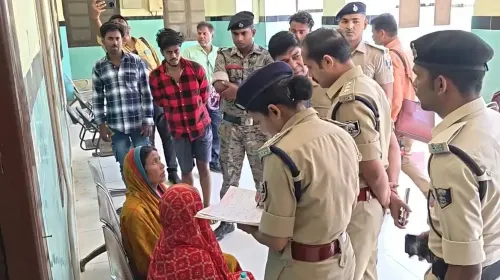
Police conducted search and raid operations across Tuensang town and the Chendang Saddle area. During these operations, approximately 470 bottles of Indian Made Foreign Liquor (IMFL) and beer cans were seized from multiple locations.
Commissioner of Excise H. Atokhe Aye issued a statewide advisory calling for 'utmost caution' and urging citizens to 'strictly refrain' from consuming liquor. He cited the Nagaland Liquor Total Prohibition Act, 1989, which bans the possession, sale, consumption, manufacture, import, and export of liquor in the state. The department, in coordination with other authorities, has initiated enforcement action to trace the source of the suspected spurious supply.
Opposition Demands Accountability
The opposition Indian National Congress (Congress) demanded a thorough investigation and action against all those involved in the illegal supply chain, including negligent officials. The party also called for immediate ex-gratia compensation for bereaved families.
In a pointed statement, Congress questioned how spurious liquor was freely reaching people in a state governed by total prohibition. 'If Nagaland is a dry state, how is spurious liquor freely reaching our people and claiming lives?' the party said, adding: 'This tragedy raises serious questions about enforcement and accountability. The government owes the people answers.'
What Comes Next
Tuensang police are continuing their investigation to identify the source and nature of the liquor consumed and to determine whether any individual bears criminal responsibility. Citizens have been urged to report any suspected manufacture, possession, or sale of illicit liquor to the nearest Excise office. This incident is the latest to expose the persistent challenge of enforcing prohibition laws in a state where illicit liquor networks continue to operate despite a legal ban in place since 1989.
Point of View
Yet illicit liquor networks appear to operate with little friction. The fact that post-mortems were not performed in most cases — because funerals preceded police awareness — points to a systemic failure of early detection, not merely enforcement. The Congress question about how spurious liquor 'freely reaches' people in a prohibition state is legitimate and deserves a government answer that goes beyond a statewide advisory. If forensic evidence eventually confirms methanol or adulteration, this case will join a grim national pattern where prohibition-era enforcement gaps cost more lives than the prohibition saves.
NationPress
14 Sept 2026
Frequently Asked Questions
What happened in Tuensang, Nagaland in September 2026?
At least 10 people died in Tuensang between 10 and 12 September 2026, with spurious liquor consumption suspected as the cause in nine of the deaths. Tuensang police identified the pattern after receiving reports of multiple individuals being admitted to Tuensang Civil Hospital with similar symptoms, including blurred vision, severe headache, and vomiting.
Why is Nagaland called a 'dry state'?
Nagaland has been under the Nagaland Liquor Total Prohibition Act since 1989, which prohibits the possession, sale, consumption, manufacture, import, and export of liquor across the state. Despite this legal ban, illicit liquor networks reportedly continue to operate, as evidenced by the Tuensang incident.
Has the cause of death been conclusively established?
No. Police have stated that while spurious or adulterated liquor is a suspected cause, it cannot be scientifically or conclusively established at this stage. Forensic procedures are being undertaken, but post-mortem examinations were not conducted in most cases because the bodies had already been taken for funerals before police detected the pattern.
What action has the government taken so far?
The Excise and Prohibition Department issued a statewide public advisory urging citizens to avoid liquor of unknown origin. Police conducted raids across Tuensang town and the Chendang Saddle area, seizing around 470 bottles of IMFL and beer cans. Authorities are also investigating the source and supply chain of the suspected spurious liquor.
What has the opposition demanded?
The Indian National Congress has demanded a thorough investigation, legal action against everyone in the illegal supply chain, accountability for negligent officials, and immediate ex-gratia compensation for the families of the deceased. The party has also questioned how spurious liquor continues to reach people in a legally dry state.