Anti-cancer drug prices cut from Nov 9, saving consumers ₹3,502 crore a year
Synopsis
More than 1,000 cancer medicine brands will see price cuts from 9 November — with 600 reporting reductions above 50% and the steepest at 96.45%. The NPPA's trade margin cap is projected to save Indian patients ₹3,502 crore a year, in one of the most sweeping oncology drug pricing interventions in recent memory.
Key Takeaways
Revised prices of 137 anti-cancer drugs take effect from 9 November after the NPPA capped trade margins.
Annual consumer savings are projected at approximately ₹3,502.31 crore .
76 pharmaceutical companies have reported revised MRPs for 1,225 anticancer formulations covering 121 drugs .
600 brands have reported price reductions of more than 50 per cent ; the highest single reduction is 96.45 per cent .
The maximum permissible trade margin is capped at 30 per cent under the Trade Margin Rationalisation framework.
Consumers can check revised prices via the Pharma Sahi Daam app or the NPPA website and report violations to the authority.
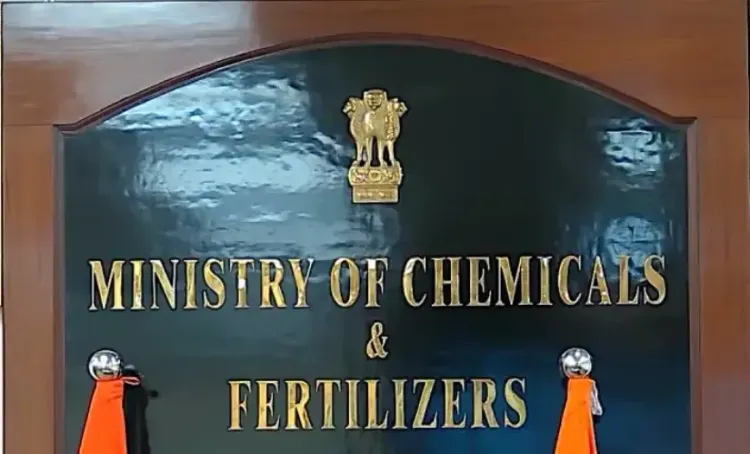
Prices of 137 anti-cancer drugs will be revised downward starting 9 November, after the National Pharmaceutical Pricing Authority (NPPA) capped trade margins on these medicines, the Ministry of Chemicals and Fertilizers confirmed in an official statement on Saturday, 7 November. The move is projected to generate annual savings of approximately ₹3,502.31 crore for cancer patients and their families across India.
Scale of Price Reductions
According to the ministry's statement, more than 1,000 medicines across different brands are set to see marked price reductions. So far, 76 pharmaceutical companies have reported revised maximum retail prices (MRPs) for 1,225 anticancer formulations covering 121 drugs. Of these, 1,031 formulations have recorded a reduction in MRP, with 600 brands reporting cuts of above 50 per cent. The steepest reduction recorded stands at 96.45 per cent — a figure that underscores the extent to which trade margins had inflated retail prices for some of these medicines.
How Trade Margin Rationalisation Works
The price cuts stem from the government's Trade Margin Rationalisation (TMR) framework, which caps the maximum permissible trade margin at 30 per cent for non-scheduled anti-cancer medicines. The ministry's statement described TMR as 'an important step taken by the government in its continued efforts to improve affordability and accessibility of essential anti-cancer medicines for cancer care.' Manufacturers, however, retain the right to avail an annual price increase in line with Paragraph 20(1) of the Drugs (Prices Control) Order, 2013, provided they remain compliant with the 30 per cent margin cap.
Drugs Yet to Be Launched
Of the 137 identified anti-cancer drugs covered under this order, between 10 and 15 are yet to be commercially launched in India. The TMR framework will, however, apply to these drugs as well once they enter the market — signalling a proactive regulatory posture rather than a reactive one. This is notable, as it prevents manufacturers from pricing newly launched oncology drugs outside the rationalised margin structure.
Compliance and Consumer Redressal
Every retailer, dealer, hospital, and medical institution is now required to prominently display the revised MRP list of anti-cancer medicines — both on their websites and on their physical premises. State drug controllers will monitor compliance by manufacturers, dealers, hospitals, and medical institutions. Consumers can verify applicable prices through the Pharma Sahi Daam mobile application and the NPPA website (www.nppa.gov.in), and can report any non-compliance or violation of revised prices directly to the authority.
This is the latest in a series of government interventions aimed at reducing out-of-pocket healthcare expenditure — a persistent challenge in a country where cancer treatment costs frequently push families into financial distress. With the revised prices taking effect from 9 November, the critical next phase will be ensuring that the cuts actually reach patients at the pharmacy counter.
Point of View
502 crore is significant, but the real test lies in last-mile compliance — whether retailers, hospitals, and distributors actually pass on the cuts to patients. India's drug pricing history is littered with MRP reductions that were absorbed as margin by intermediaries rather than reaching the end consumer. The NPPA's reliance on state drug controllers for monitoring is a structural weak point, given the uneven enforcement capacity across states. The proactive extension of TMR to drugs not yet launched in India is a genuinely forward-looking move, but the 10-to-15 unlaunched drugs figure deserves scrutiny — manufacturers have historically timed launches to circumvent pricing orders. Sustained impact will require real-time price surveillance, not just a mobile app.
NationPress
7 Nov 2026
Frequently Asked Questions
When do the revised anti-cancer drug prices come into effect?
The revised prices for 137 anti-cancer drugs come into effect from 9 November, following the NPPA's decision to cap trade margins on these medicines. The order was confirmed by the Ministry of Chemicals and Fertilizers on 7 November.
How much will consumers save from the anti-cancer drug price cuts?
The government projects annual consumer savings of approximately ₹3,502.31 crore as a result of the trade margin rationalisation on anti-cancer medicines. More than 1,000 brands across different formulations are expected to see lower MRPs.
What is Trade Margin Rationalisation and how does it reduce drug prices?
Trade Margin Rationalisation (TMR) is a regulatory mechanism that caps the maximum margin — the difference between a drug's manufacturing cost and its retail price — that can be charged across the supply chain. For non-scheduled anti-cancer medicines, the NPPA has set this cap at 30 per cent, directly reducing inflated retail prices.
Which pharmaceutical companies are covered under the revised pricing order?
As many as 76 pharmaceutical companies have so far reported revised MRPs for 1,225 anticancer formulations covering 121 drugs. Of the 137 identified anti-cancer drugs under the order, between 10 and 15 are yet to be launched in India but will fall under TMR once they are.
How can consumers verify the new anti-cancer drug prices and report violations?
Consumers can check applicable prices through the Pharma Sahi Daam mobile application and the NPPA website at www.nppa.gov.in. Any non-compliance or violation of revised prices can be reported directly to the NPPA. Retailers, hospitals, and dealers are also required to display revised MRP lists prominently on their premises and websites.