Has South Korea Confirmed Its 8th Case of Highly Contagious Bird Flu This Season?
Click to start listening
Synopsis
South Korea faces a challenging situation as it confirms its eighth case of bird flu this season. With stringent measures in place, authorities are striving to contain the outbreak and protect poultry health. What does this mean for farmers and the avian population? Read on to find out more.
Key Takeaways
- South Korea has reported its eighth case of avian influenza this season.
- Authorities have implemented a nationwide standstill order for duck farms.
- Intensive inspections are planned across duck farms in the affected region.
- Farmers are advised to enhance biosecurity measures.
- Contamination levels in migratory bird habitats are concerning.
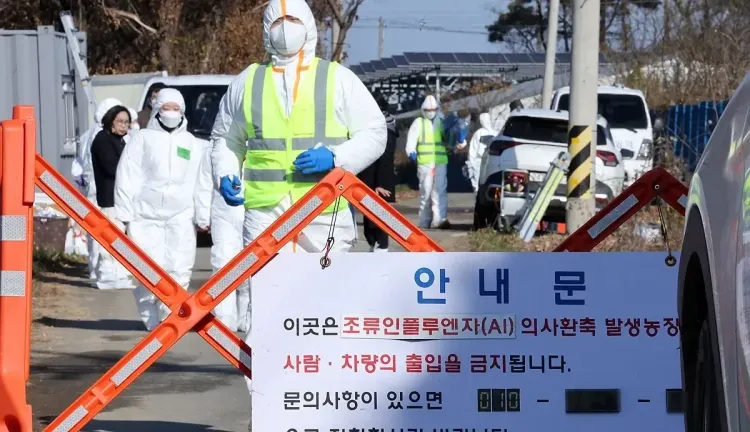
Seoul, December 9 (NationPress) - On Tuesday, South Korea reported yet another case of highly pathogenic avian influenza at a duck farm located in South Jeolla Province, bringing the total to eight confirmed cases at poultry farms this season. This latest incident occurred in Yeongam, situated 380 kilometers south of Seoul, and it represents the first case from a duck farm for this season, as stated by agricultural authorities, according to reports from Yonhap news agency.
In response to this outbreak, authorities have implemented a 24-hour standstill order affecting all duck farms, along with related facilities and transport across the nation.
The government has also announced plans to carry out rigorous inspections of all duck farms in the area.
Farmers are being advised to refrain from visiting areas frequented by migratory birds and to adhere to basic biosecurity protocols, which include changing footwear before entering barns.
Furthermore, last month, Yonhap reported that South Korea intends to enhance its quarantine measures to counter the potential spread of avian influenza (AI) as the cold season progresses.
The Central Disaster Management Headquarters (CDMH) revealed that six instances of highly contagious AI have been identified at poultry farms, along with 10 AI cases among wild bird populations since the onset of the cold season. The first case was reported at a poultry farm in Paju, located approximately 40 kilometers northwest of Seoul, back in September.
In November alone, four cases of highly pathogenic AI were confirmed at poultry farms, with an additional seven cases reported among wild birds.
The CDMH has conducted thorough examinations of soil and wild bird feather samples collected from migratory bird habitats, rivers, and zones near affected farms, revealing significant contamination in these areas.
According to a survey conducted by the environment ministry on winter migratory birds, 1.33 million birds entered the country in November, reflecting a 111.4 percent rise compared to the preceding month.
In light of these developments, authorities are set to enhance quarantine protocols at poultry farms nationwide by deploying all available disinfection vehicles for extensive sanitation operations and conducting targeted inspections in high-risk cities and counties where poultry density is elevated and previous outbreaks have been recorded.
Point of View
The confirmation of the eighth bird flu case in South Korea highlights the urgent need for enhanced biosecurity measures across the poultry industry. The government’s proactive approach in enforcing standstill orders and conducting inspections reflects a commitment to safeguarding both the poultry population and public health. The situation remains fluid, and continued vigilance will be necessary as migratory patterns change.
NationPress
09/12/2025
Frequently Asked Questions
What is avian influenza?
Avian influenza, commonly known as bird flu, is a viral infection that primarily affects birds but can also infect humans and other animals. It can lead to severe respiratory illness and has various strains, some of which are highly pathogenic.
How is avian influenza transmitted?
Avian influenza can be transmitted through direct contact with infected birds, contaminated environments, or through respiratory droplets from infected birds.
What measures can farmers take to prevent avian influenza?
Farmers should implement strict biosecurity measures, avoid contact with wild birds, regularly disinfect equipment and footwear, and monitor their flocks for any signs of illness.
What should the public do if they suspect bird flu in poultry?
If the public suspects bird flu in poultry, they should report it to local authorities or agricultural departments immediately for further investigation.
Can avian influenza affect human health?
Yes, certain strains of avian influenza can infect humans and lead to serious health complications. It's important for those working with poultry to follow safety guidelines.