Boko Haram kills 11 civilians in Lake Chad island raid; 9 militants neutralised
Synopsis
Boko Haram militants arrived by canoe and opened fire on fishermen near Ngouboua, killing 11 civilians before the army killed 9 attackers in a pursuit. The strike is the latest in a series of raids across the Lake Chad basin — following the killing of 13 civilians in Cameroon last week — highlighting the region's deepening security crisis.
Key Takeaways
11 civilians — 7 men and 4 women — were killed in a Boko Haram raid on a Lake Chad island near Ngouboua on Sunday, 21 September 2026 .
Militants arrived by canoe and targeted civilians who were fishing, according to army official Moussa Djibrine .
Security forces launched a pursuit and killed 9 of the attackers .
Last week, at least 13 civilians were killed in a Boko Haram attack in Madegoua , Cameroon's Far North region.
In August 2026 , at least 8 people were killed in a similar raid on Kangaleri village in Cameroon's Mayo-Sava division .
Chad's Lake Province borders Nigeria , Niger , and Cameroon and faces recurring jihadist attacks across the Lake Chad basin.
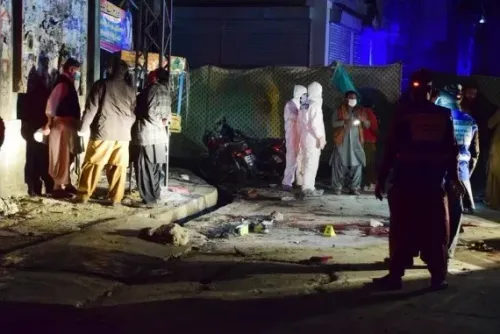
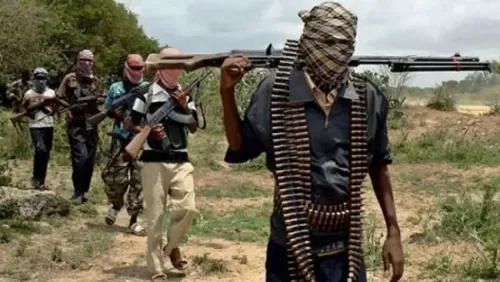
At least 11 civilians were killed when Boko Haram militants launched a raid on an island in Lake Chad near Ngouboua in Chad's Lake Province on Sunday, 21 September 2026, according to local media and the army. The attack is the latest in a sustained campaign of jihadist violence across the Lake Chad basin.
How the Attack Unfolded
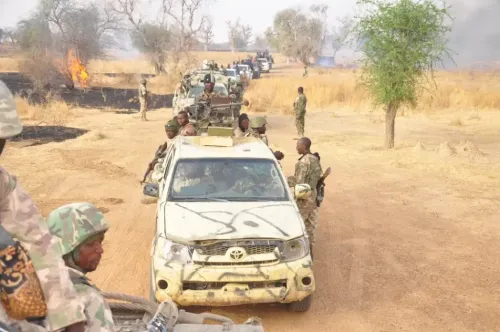
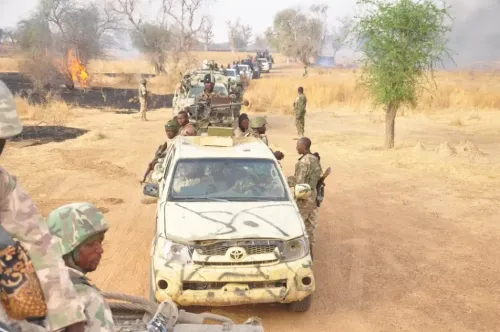
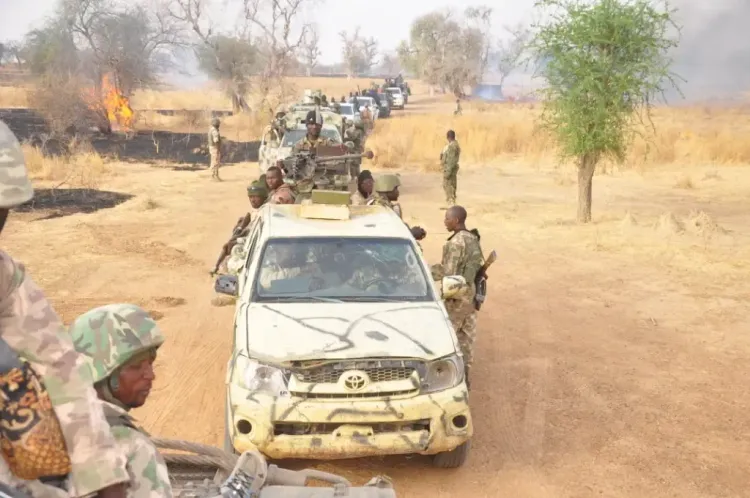
Army official Moussa Djibrine said the militants arrived by canoe and opened fire on civilians who were fishing, killing seven men and four women. Soldiers alerted to the assault launched an immediate pursuit operation and killed nine of the attackers, according to the official statement.
A Region Under Persistent Threat
Lake Province, which shares borders with Nigeria, Niger, and Cameroon, has long been a flashpoint for attacks by Boko Haram and affiliated jihadist groups operating across the Lake Chad basin. The geographic sprawl of the lake — spanning four countries — has made coordinated security responses difficult and given armed groups a persistent haven.
Recent Attacks in the Region
The Chad raid follows a string of similar strikes in neighbouring Cameroon's Far North region. Last week, at least 13 civilians were killed in an overnight attack in Madegoua, a locality in the Makary subdivision of the Logone-et-Chari division, between 1:00 a.m. and 2:00 a.m. local time, while residents were asleep. A sole survivor was rushed to a local hospital for treatment. Local municipal authorities said the attack was reportedly a reprisal after security forces seized a large stock of ammunition intended for Boko Haram fighters several months earlier.
In August, suspected Boko Haram fighters killed at least eight people and injured one in an overnight attack on Kangaleri village in the Mayo-Sava division of Cameroon's Far North region. The attack took place at around 11 p.m. local time on 7 August, with gunmen entering under cover of darkness — a tactic the group frequently employs. Six residents were killed at the scene; three others were badly wounded and taken for treatment, and two of the injured later died in hospital.
Pattern of Violence and What Comes Next
The cluster of attacks underscores the difficulty that the Multinational Joint Task Force (MNJTF) — comprising troops from Chad, Nigeria, Niger, Cameroon, and Benin — faces in securing the basin's islands and rural localities. Critics argue that military pressure alone has not disrupted the group's ability to recruit or resupply, as evidenced by the repeated canoe-borne raids on remote fishing communities. Security analysts note that jihadist groups in the region have adapted to counterterrorism pressure by targeting softer civilian targets rather than military installations. Increased coordination between regional forces and greater protection for isolated island communities will be critical in the weeks ahead.
Point of View
Madegoua, Kangaleri — point to a jihadist tempo, not isolated incidents. The pattern of canoe-borne, pre-dawn raids on fishing communities reveals a deliberate targeting of undefended civilians, which serves both tactical and propaganda purposes for Boko Haram. The Multinational Joint Task Force has been operational for years, yet coordinated cross-border security remains porous enough for militants to move freely by water. The harder question is why civilian early-warning and protection infrastructure in island communities remains so underdeveloped, even after years of near-identical attacks.
NationPress
21 Sept 2026
Frequently Asked Questions
What happened in the Boko Haram attack near Ngouboua in Lake Chad?
Boko Haram militants arrived by canoe on Sunday, 21 September 2026, and opened fire on civilians fishing on an island near Ngouboua in Chad's Lake Province, killing 11 people — 7 men and 4 women. The army subsequently launched a pursuit operation and killed 9 of the attackers.
Which areas of the Lake Chad basin face the most frequent Boko Haram attacks?
Chad's Lake Province, which borders Nigeria, Niger, and Cameroon, is among the most frequently targeted areas, along with Cameroon's Far North region. Geographically remote island and riverine communities are particularly vulnerable due to limited military presence.
What was the recent attack in Cameroon linked to Boko Haram?
Last week, at least 13 civilians were killed in an overnight raid in Madegoua, in Cameroon's Logone-et-Chari division. Local authorities said the attack was reportedly a reprisal for the security forces' earlier seizure of a large ammunition stockpile destined for Boko Haram fighters.
How does this attack fit into the broader pattern of violence in the region?
It is the third significant Boko Haram attack in the Lake Chad basin within roughly six weeks. In August 2026, at least 8 people were killed at Kangaleri village in Cameroon, and last week 13 civilians died in Madegoua. The repeated canoe-borne, pre-dawn strikes on fishing communities indicate a deliberate tactical pattern.
What is the Multinational Joint Task Force and is it working?
The Multinational Joint Task Force (MNJTF) is a regional security coalition comprising troops from Chad, Nigeria, Niger, Cameroon, and Benin, tasked with combating Boko Haram and allied jihadist groups in the Lake Chad basin. Despite ongoing operations, critics argue that the frequency of civilian attacks suggests the force has not yet disrupted the militants' operational capacity.