Supreme Court of Bangladesh Acquits Another 1971 War Crime Convict
Synopsis
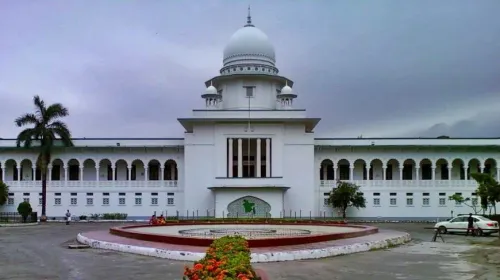
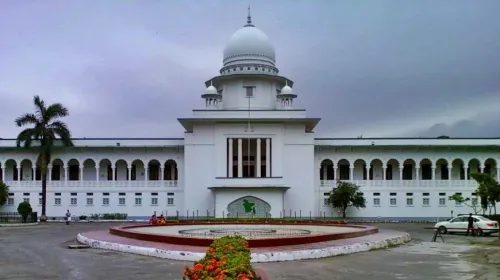
In a significant legal development, the Supreme Court of Bangladesh has acquitted Khan Akram Hossain, a convict from the 1971 Liberation War, overturning his life sentence. This move raises questions about the implications for justice and accountability in the country.
Key Takeaways
Khan Akram Hossain acquitted by Bangladesh Supreme Court.
Overturned a previous life sentence for war crimes.
Related to the 1971 Liberation War crimes against humanity case.
Concerns raised about justice and accountability.
Implications for future legal proceedings in Bangladesh.
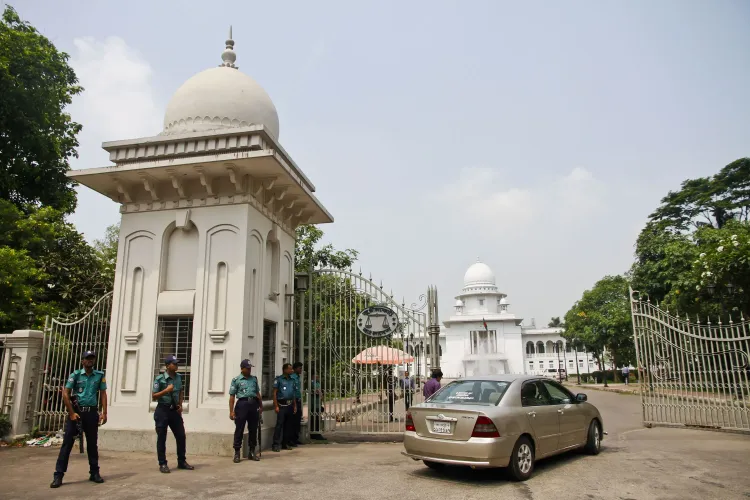
Dhaka, February 26 (NationPress) — The Supreme Court of Bangladesh has cleared Khan Akram Hossain, a convict of war crimes from the Bagerhat district, by overturning his life sentence related to a crimes against humanity case from the nation’s 1971 Liberation War, according to reports from local media.
A judicial panel headed by Chief Justice Zubayer Rahman Chowdhury delivered the ruling following Akram’s appeal against the International Crimes Tribunal (ICT) verdict issued on August 11, 2015.
Akram was implicated as one of three alleged members of the Razakar force, a pro-Pakistani paramilitary group established in 1971 in Bagerhat. The other defendants were Sheikh Sirajul Haque, known as Siraj Master, and Abdul Latif Talukder, as reported by bdnews24.
In August 2015, the ICT sentenced Akram to life imprisonment, while co-defendant Razakar leader Sheikh Sirajul Haque received the death penalty for his role in crimes against humanity during the 1971 Liberation War.
Akram was found guilty of detaining and torturing freedom fighter Fazlur Rahman Sikder in Morrelganj Upazila, leading to his death.
Another accused, Abdul Latif Talukdar, was also charged but passed away due to age-related illnesses before the case concluded, resulting in his removal from the trial.
After his conviction, Akram appealed to the Appellate Division of the Supreme Court, contesting the life sentence.
This latest ruling marks another instance of a 1971 war crime convict being acquitted through a review petition since the fall of the former Prime Minister Sheikh Hasina-led Awami League government amid a violent uprising in August 2024.
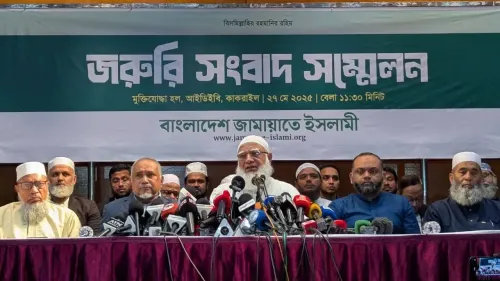
Previously, in May 2025, the Supreme Court of Bangladesh acquitted ATM Azharul Islam, a radical leader from Jamaat-e-Islami, reversing his death sentence imposed by the ICT. He had spent nearly 13 years in prison for war crimes.
Azharul Islam faced charges for crimes against humanity during the 1971 Liberation War, which included the killings of 1,256 individuals, abductions of 17, and the rapes of 13 women in the Rangpur region, according to local media sources.
Following his release, Azharul Islam successfully contested elections as a member of Parliament from the Rangpur-2 constituency on February 12.
Experts have consistently warned that the acquittal of 1971 war crime convicts by Bangladeshi courts could establish a worrying trend of leniency towards pro-Pakistani factions, jeopardizing the principles of the 1971 Bangladesh Liberation War and the hard-won independence of the nation.
Point of View
It is vital to acknowledge the complexity surrounding the acquittals of war crime convicts. While the pursuit of justice is paramount, these rulings may also reflect broader societal challenges in reconciling the past with the present. This is a pivotal moment for Bangladesh, demanding careful consideration of the implications for national unity and historical accountability.
NationPress
25 Sept 2026
Frequently Asked Questions
Who was Khan Akram Hossain?
Khan Akram Hossain is a war crime convict from Bangladesh linked to the 1971 Liberation War, initially sentenced to life imprisonment for crimes against humanity.
What was the verdict of the Supreme Court?
The Supreme Court of Bangladesh acquitted Khan Akram Hossain, overturning his previous life sentence related to war crimes from the 1971 Liberation War.
What are the implications of this acquittal?
The acquittal raises concerns about the justice system in Bangladesh and the potential for a trend of leniency towards individuals involved in war crimes.
Who were the other defendants involved?
Other defendants included Sheikh Sirajul Haque, who received the death penalty, and Abdul Latif Talukder, who passed away during the trial.
What is the significance of the 1971 Liberation War?
The 1971 Liberation War was a pivotal event in Bangladesh’s history, marking its struggle for independence from Pakistan and the establishment of national identity.