Bangladesh dengue outbreak: 52 deaths in 13 days, toll hits 149

Synopsis
Bangladesh's dengue crisis has claimed 52 lives in just 13 days — the deadliest stretch of the year. With the disease now in all 64 districts, 51,837 hospitalised, and government experts warning that the peak is still weeks away, this is shaping up to be a public health emergency with no quick exit.
Key Takeaways
52 people died from dengue in Bangladesh in the first 13 days of September 2026 — the highest monthly toll of the year.
The cumulative death toll stands at 149 , with 51,837 patients hospitalised as of the latest count.
Dengue has spread across all 64 districts of Bangladesh, with hundreds hospitalised daily.
Health officials warn of a peak transmission period in the last week of September and early October, with at least 15 districts expected to see a further surge.
Experts cite delayed hospitalisation, inadequate treatment, and poor coordination as key drivers of preventable deaths.
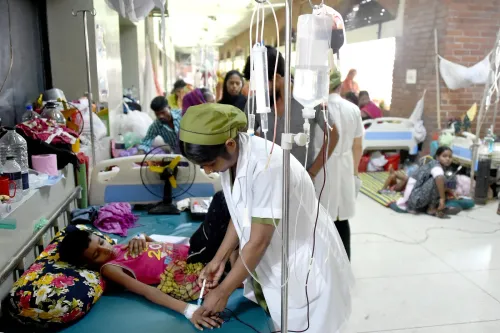
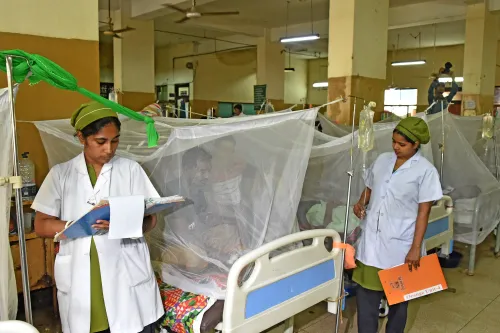
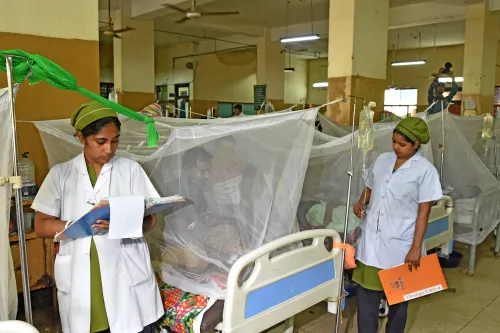
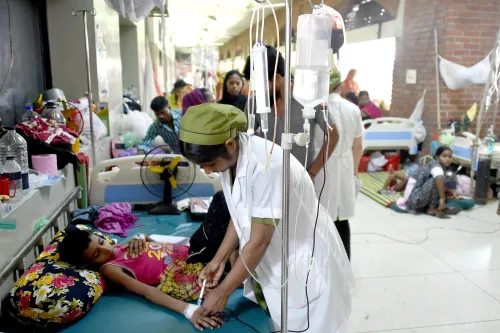
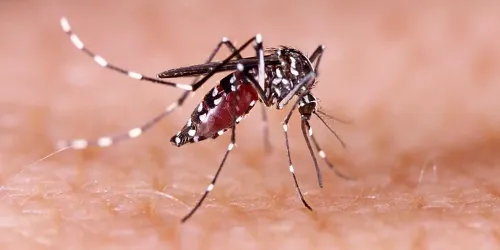
Bangladesh is battling its worst dengue outbreak in recent memory, with 52 people dying from the mosquito-borne disease in just the first 13 days of September 2026 — the highest monthly fatality count recorded so far this year. The alarming surge has prompted urgent warnings from health officials and raised serious questions about the country's preparedness and coordination in containing the crisis.
Scale of the Crisis
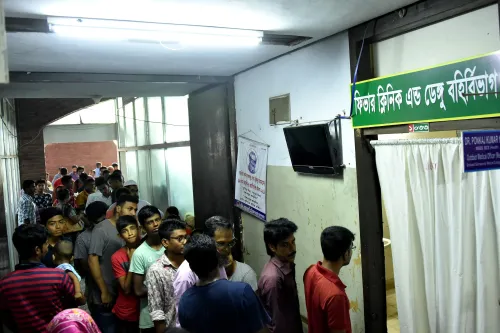
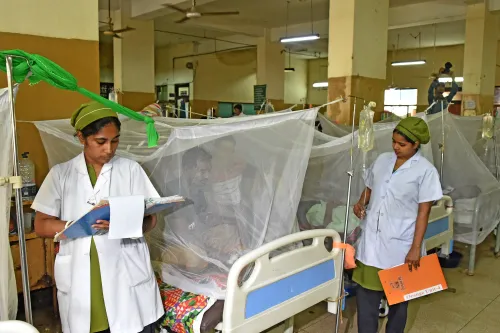
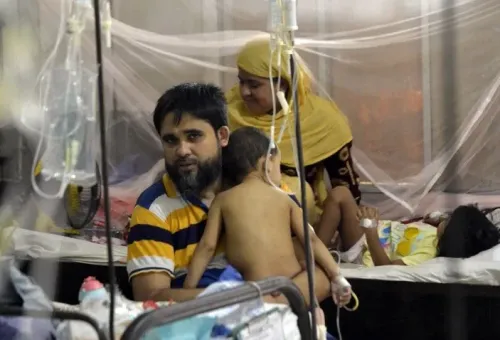
According to the Directorate General of Health Services (DGHS), the cumulative dengue death toll in Bangladesh stood at 149, while 51,837 patients had been hospitalised as of the latest available data. The disease has now spread across all 64 districts of the country, with several hundred new hospitalisations reported daily. Deaths from the largely preventable illness are also occurring almost every day, according to reports in Bangladeshi media.
Why Deaths Are Rising
HM Nazmul Ahsan, associate professor at Shaheed Suhrawardy Medical College Hospital in Dhaka, attributed the recent spike in fatalities to the rapid nationwide increase in infections. He identified three broad categories of contributing factors: viral factors, patient-related vulnerabilities, and treatment-related complications.
Health experts have noted that many patients are seeking testing and medical care only after their condition turns critical, making delayed hospitalisation a key driver of preventable deaths. Mushtuq Husain, a public health expert, called for strengthening dengue care through a structured three-tier system of primary, secondary, and tertiary healthcare to intercept patients earlier in the disease's progression.
Government Warnings and Peak Period Fears
Bangladesh's State Minister for Fisheries and Livestock, Sultan Salauddin Tuku, warned on Sunday that conditions in Dhaka and other districts could worsen in the coming months. 'The risk of dengue may increase further in the coming months, so everyone needs to become aware from now,' he said, as quoted by Bangladeshi media.
State Minister for Health and Family Welfare MA Muhit, speaking at an event at the Dhaka Reporters Unity on 9 September, stated that infections were already rising and that the peak period was expected in the last week of September and early October. The government has cautioned that at least 15 districts could see a further surge during this window.
Structural Failures Behind the Outbreak
Public health experts and entomologists had reportedly been warning for the past one-and-a-half to two months that September and October would see a deterioration in the dengue situation. Despite years of media coverage and public discourse around rising dengue infections, critics argue that the government's commitment to sustained prevention has remained inadequate. The most significant weakness, according to Bangladeshi daily Prothom Alo, has been a persistent lack of coordination among agencies responsible for vector control and healthcare delivery.
With the peak transmission season still weeks away, all indicators suggest the situation is likely to worsen before it improves.
Point of View
But without political will and budget allocation, it risks becoming another recommendation that outlives its window of usefulness.
NationPress
14 Sept 2026
Frequently Asked Questions
How many people have died from dengue in Bangladesh in 2026?
As of the latest data, 149 people have died from dengue in Bangladesh in 2026, with 52 of those deaths occurring in just the first 13 days of September. This makes September the deadliest month of the year so far.
How widespread is the dengue outbreak in Bangladesh?
Dengue has spread to all 64 districts of Bangladesh, with hundreds of new hospitalisations recorded daily. A total of 51,837 patients have been hospitalised as of the latest available count.
Why are dengue deaths rising so sharply in Bangladesh?
Health experts point to three main factors: delayed hospitalisation as patients seek care only when critically ill, treatment-related complications, and the heightened vulnerability of high-risk groups. The rapid nationwide spread of infections has compounded each of these issues.
When is the dengue situation in Bangladesh expected to peak?
Government health officials have warned that the peak transmission period is expected in the last week of September and early October 2026 , with at least 15 districts forecast to see further surges in infections.
What measures are experts recommending to address the Bangladesh dengue crisis?
Public health expert Mushtuq Husain has called for a structured three-tier system of primary, secondary, and tertiary dengue care to intercept patients before their conditions become critical. Critics also argue that better inter-agency coordination on vector control is essential to contain the outbreak.