Dhaka auto-rickshaw strike disrupts commuters across Bangladesh capital
Synopsis
For the second time in weeks, Dhaka's battery-operated auto-rickshaw drivers have brought swathes of the capital to a standstill — this time over licence fees and a five-rickshaw operating cap. With no resolution in sight and a pattern of recurring protests, Bangladesh's government faces growing pressure to formalise the city's electric micro-mobility sector without pushing its operators out of business.
Key Takeaways
Battery-operated auto-rickshaw drivers in Dhaka staged a strike on 9 November 2026 , disrupting transport across multiple neighbourhoods.
Affected areas included Dholai Khal , Rampura , Banasree , Badda , Jatrabari , Mirpur , and Dholai Para .
Drivers are protesting high licence fees and a government rule restricting each operator to no more than five auto-rickshaws .
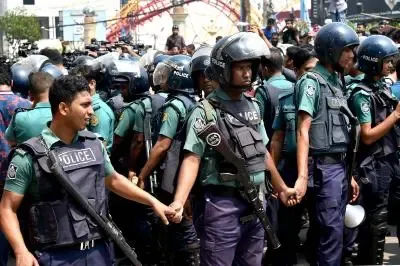
Striking drivers allegedly vandalised vehicles of those who continued operating; protesters also demanded an end to alleged police harassment.
A similar protest had already disrupted Mohammadpur and Hazaribagh in October , signalling the dispute is unresolved.
No immediate resolution between the drivers and authorities has been reported as of 9 November .
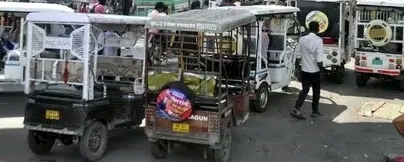
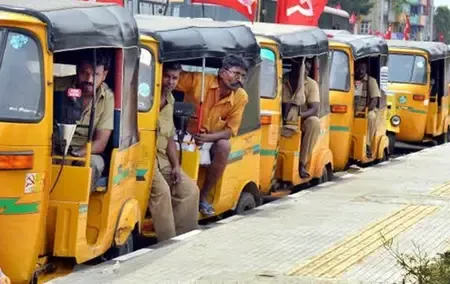
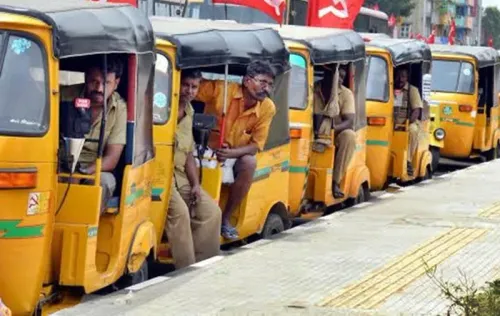
Battery-operated auto-rickshaw drivers in Dhaka staged a city-wide strike on Monday, 9 November 2026, paralysing transport across several neighbourhoods and leaving thousands of commuters — including students and office-goers — stranded or forced to walk long distances. The drivers are protesting high licence fees and a government rule capping each operator at a maximum of five auto-rickshaws.
Key Developments
Operations were suspended in Dholai Khal, Rampura, Banasree, Badda, Dayaganj, Jatrabari, Mirpur, Dholai Para, and surrounding areas. Drivers who defied the strike reportedly had their vehicles vandalised by protesters who took up positions at key intersections across the city, according to the Dhaka Tribune.
A large procession gathered at South Jatrabari intersection, where drivers raised slogans over their demands. Severe traffic congestion gripped major arterials as the absence of auto-rickshaws pushed remaining commuters onto already stretched road networks.
What the Drivers Are Demanding
The striking drivers have cited three core grievances: opposition to high licence fees introduced under the government's new policy framework, the restriction on each driver operating more than five auto-rickshaws, and what they describe as ongoing police harassment — including alleged seizure and damage of vehicles. They are also demanding formal permission to operate on Dhaka's main roads.
A Recurring Pattern
This is not the first such disruption in recent months. In October, battery-operated auto-rickshaw drivers blocked roads in Mohammadpur and Hazaribagh, demanding an end to eviction drives and access to main roads, according to The Daily Star. That protest saw drivers block Tin Rastar Mor — a critical intersection linking Gabtoli Road with Mohammadpur and Basila — as well as Beribadh Road in Hazaribagh and a road near Rayerbazar. This November strike suggests the underlying disputes remain unresolved.
Impact on Commuters
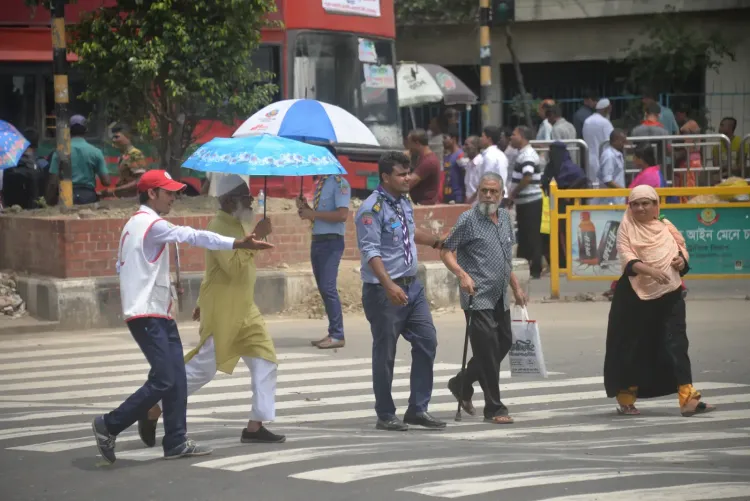
Residents in affected areas including Dhanmondi, Mohammadpur, Basila, and nearby neighbourhoods struggled to reach workplaces, schools, and colleges. Many waited roadside for alternative transport, while others resorted to walking considerable distances. The disruption underscores the degree to which battery-operated auto-rickshaws have become an indispensable part of Dhaka's informal urban transit ecosystem.
What Happens Next
No immediate resolution between the drivers and authorities has been reported. If the government does not engage with the strikers' demands, further escalation — including extended road blockades — appears likely, analysts note. The situation reflects a broader tension in Dhaka between formalising a rapidly growing electric micro-mobility sector and protecting the livelihoods of its operators.
Point of View
Yet the state is simultaneously pushing licensing frameworks that operators argue are punitive and poorly explained. The five-rickshaw cap in particular strikes at the fleet model many drivers rely on for income diversification. Resolving this requires a structured dialogue — not reactive crackdowns — before the informal sector's grievances calcify into a broader urban unrest pattern.
NationPress
9 Nov 2026
Frequently Asked Questions
Why are Dhaka auto-rickshaw drivers on strike?
Battery-operated auto-rickshaw drivers in Dhaka went on strike on 9 November 2026 to protest high licence fees under the government's new policy and a rule restricting each driver from operating more than five auto-rickshaws. They also allege ongoing police harassment, including seizure and damage of their vehicles.
Which areas of Dhaka are affected by the strike?
The strike affected Dholai Khal, Rampura, Banasree, Badda, Dayaganj, Jatrabari, Mirpur, Dholai Para, Dhanmondi, Mohammadpur, Basila, and surrounding areas of Dhaka.
Has this happened before in Dhaka?
Yes. In October 2026, battery-operated auto-rickshaw drivers blocked roads in Mohammadpur and Hazaribagh, demanding an end to eviction drives and permission to operate on main roads. The November strike suggests those demands were not addressed.
What are the auto-rickshaw drivers demanding?
The drivers are demanding a rollback of high licence fees, removal of the five-auto-rickshaw operating cap, an end to alleged police harassment and vehicle seizures, and formal permission to operate on Dhaka's main roads.
How has the strike affected Dhaka commuters?
Thousands of commuters including students and office-goers were left stranded. Many waited for alternative transport while others were forced to walk long distances to reach their destinations, with severe traffic congestion reported across affected areas.