Why have primary teachers in Bangladesh initiated a complete school shutdown?
Synopsis
In a bold move, teachers in Bangladesh have launched a nationwide shutdown of government primary schools to demand urgent reforms. With rising discontent over unmet demands, this strike highlights the growing unrest among educators. Can the government respond effectively to quell the unrest?
Key Takeaways
Nationwide Shutdown: Bangladesh primary teachers are on a complete school shutdown.
Three Key Demands: Upgrading pay scales, addressing promotion complexities, and ensuring departmental promotions.
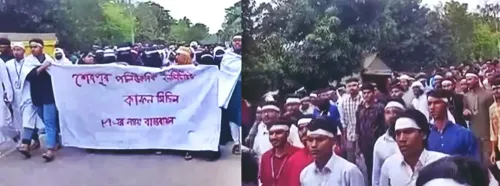
Protests Escalate: This protest reflects growing unrest among educators in response to unmet demands.
Impact on Education: The shutdown affects students and examination schedules significantly.
Government Action Needed: Urgent reforms are necessary to resolve the situation.
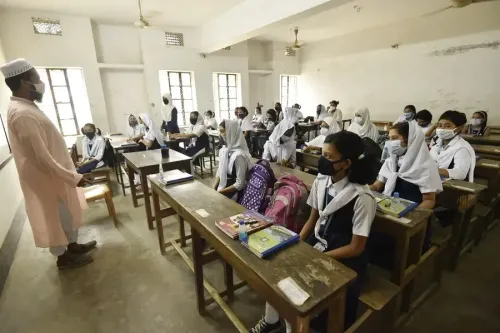
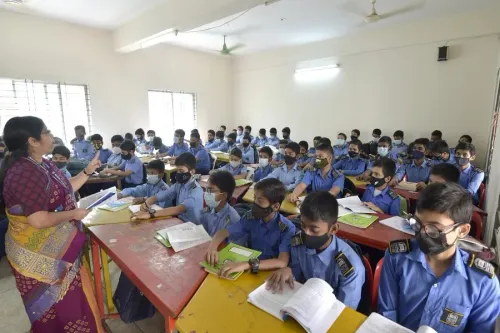
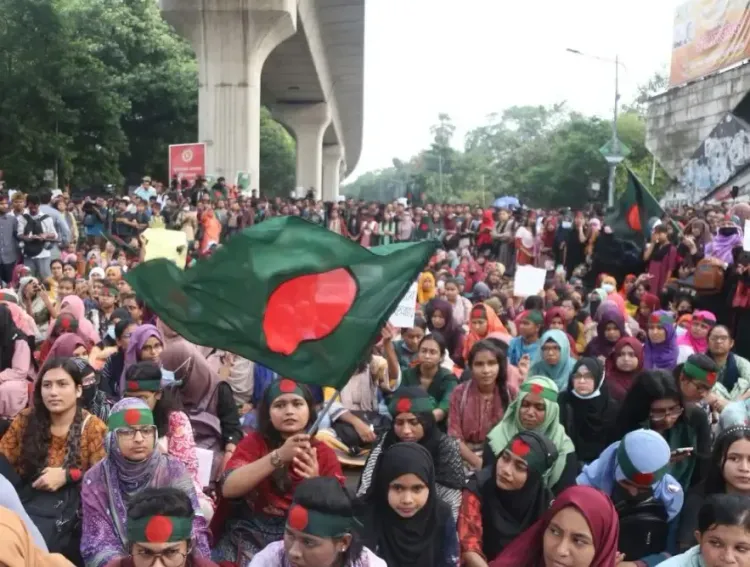
Dhaka, Dec 3 (NationPress) On Wednesday, teachers in Bangladesh initiated a total shutdown of all government primary educational institutions nationwide, advocating for their three primary demands, local media outlets reported.
The educators, united under the banner of the 'Primary Teachers' Demand Implementation Council', declared the nationwide shutdown late Tuesday evening due to a lack of satisfactory progress in fulfilling their demands, despite previous assurances from the Finance Ministry under the interim government led by Muhammad Yunus.
According to The Dhaka Tribune, the council stated, 'The Finance Ministry assured us that our three-point demands would be addressed, yet no substantial measures have been taken. Consequently, all government primary schools will remain closed from Wednesday, and there will be a boycott of examinations until our demands are fulfilled.'
The demands include upgrading the pay scale of assistant teachers to grade 10, addressing complexities related to higher grade benefits after serving 10 and 16 years, and ensuring 100% departmental promotions from assistant to head teacher.
One of the leaders of the platform, Mohammad Shamsuddin, posted on his social media on Wednesday morning, stating, 'The complete shutdown or locked-school program will persist until our demands are met.'
Last week, primary school educators had initiated a three-day work stoppage emphasizing their demands regarding pay scales and promotions.
Shamsuddin Masud, the central president of the Bangladesh Primary School Assistant Teachers' Association, mentioned that the strike was a collective effort due to the interim government's Ministry showing 'no visible progress' on their demands throughout November.
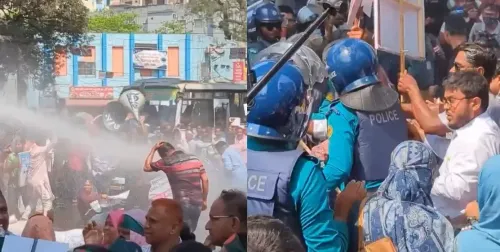
'One of our colleagues passed away, and many others were harmed due to police actions earlier this month. We will not attend classes or participate in examinations until the government issues a notification addressing our demands,' quoted Khayrun Nahar Lipi, General Secretary of the Bangladesh Primary Teachers' Association, as saying.
Bangladesh has seen an increase in protests under the Yunus-led interim government as the nation struggles with an economic downturn and worsening working conditions.
Point of View
My perspective highlights the importance of addressing the legitimate concerns raised by the primary teachers in Bangladesh. The ongoing protests reflect a broader issue of the educational system's stagnation and the urgent need for reforms. It is essential for the authorities to engage in dialogue with the educators to resolve these issues effectively for the future of education in our country.
NationPress
23 Sept 2026
Frequently Asked Questions
What are the primary demands of the teachers?
The teachers are demanding an upgrade of their pay scale to grade 10, resolution of issues related to higher grade benefits after 10 and 16 years of service, and ensuring 100% departmental promotion from assistant teacher to head teacher.
Why did the teachers initiate a complete shutdown?
The teachers initiated a complete shutdown due to a lack of progress in fulfilling their demands despite previous assurances from the Finance Ministry.
How long will the shutdown last?
The shutdown will continue until the teachers' demands are met, and they have indicated a boycott of examinations during this period.
What impact does this protest have on students?
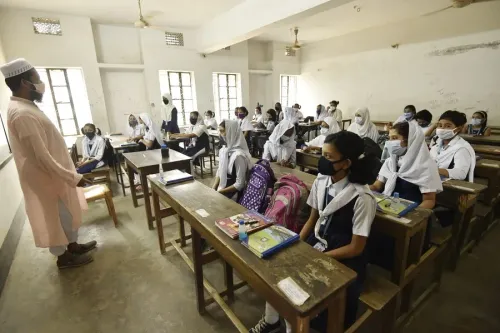
The shutdown means that all government primary schools will be closed, affecting students' education and examination schedules until the situation is resolved.
What has been the government's response?
The government has yet to take substantial action to address the teachers' demands, which has led to rising tensions and protests among educators.